Jain
Strict vegetarianism guided by non-violence — no root vegetables, no harm.
Compiled by Nidari Nutrition from the Atlas dataset · pending clinical review by Maryam Shabbir, DN.
This is an Atlas entry — a short reference overview, not one of our long-form diet guides. Educational, not medical advice; personalized and clinically reviewed at your consult.
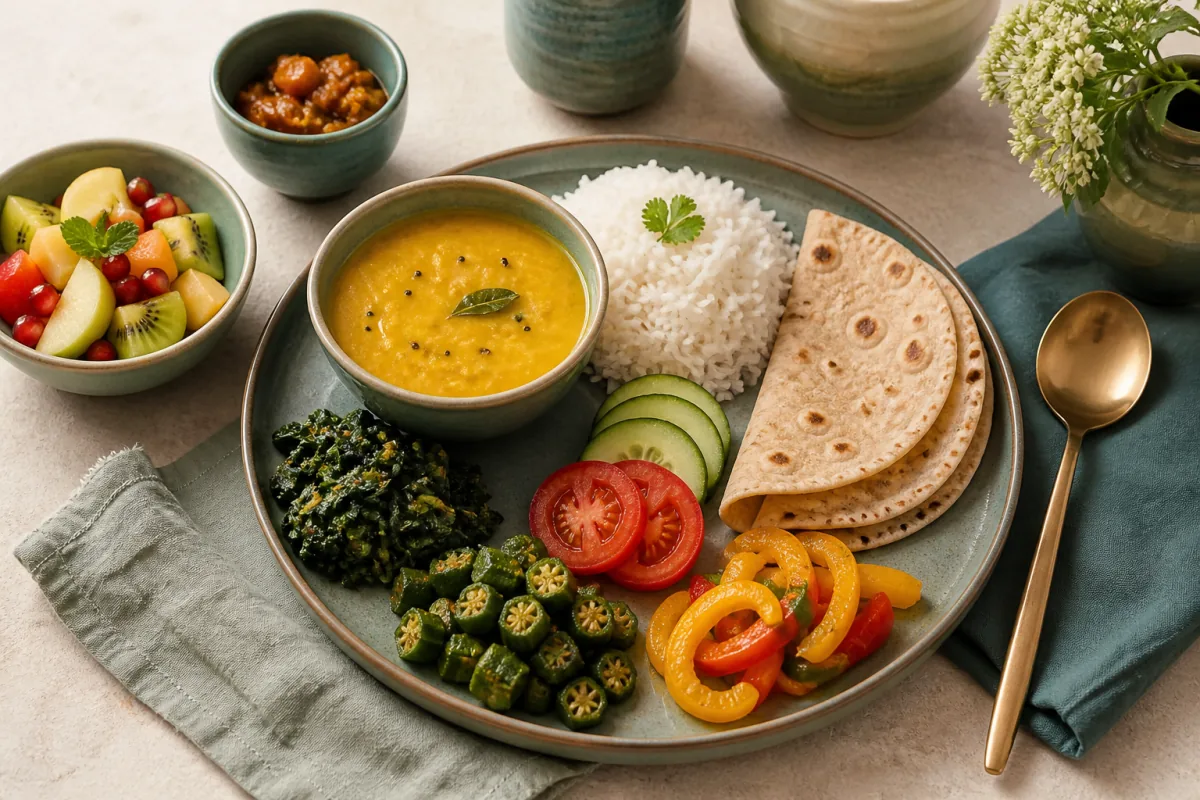
What is Jain?
Jain is a religious and faith-based eating practice from India. Nidari rates it hard to keep up day to day, and rates the weight of peer-reviewed evidence behind its main claims as limited / unproven.
Family: Religious & Faith-Based · Origin: India (Gujarat & Rajasthan) · Era: Ancient (~500 BCE) · Difficulty: Hard · Evidence rating: Limited / unproven
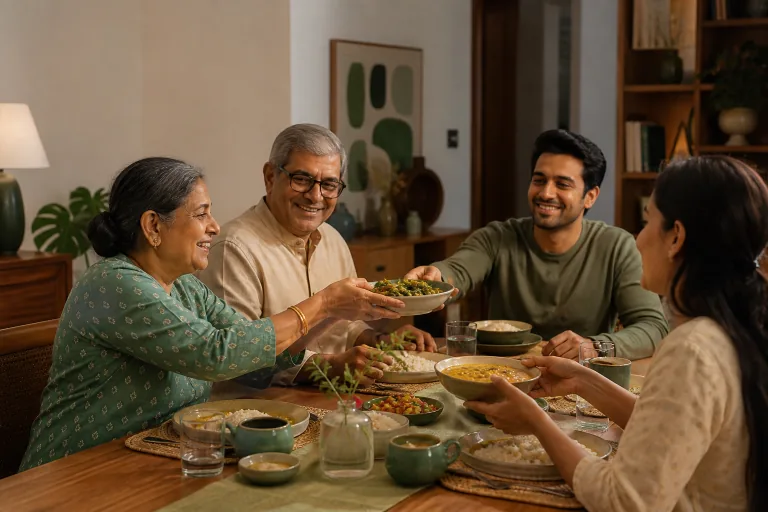
Where does Jain come from?
Rooted in ahimsa (non-violence), the Jain diet avoids not only meat but root vegetables (whose harvest kills the plant and micro-organisms), honey, and often eating after sunset.
Originator: Jain tradition (principle of ahimsa) · Region: India (Gujarat & Rajasthan) · Era: Ancient (~500 BCE) · Atlas map pin: 23.00° N, 72.60° E
How does Jain work?
- Strict vegetarian
- No root vegetables
- No honey
- Often no eating after dark
What do you eat on Jain?
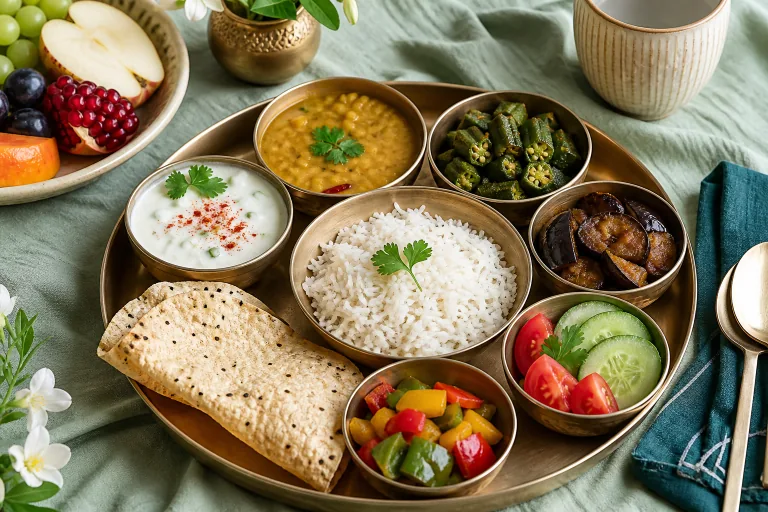
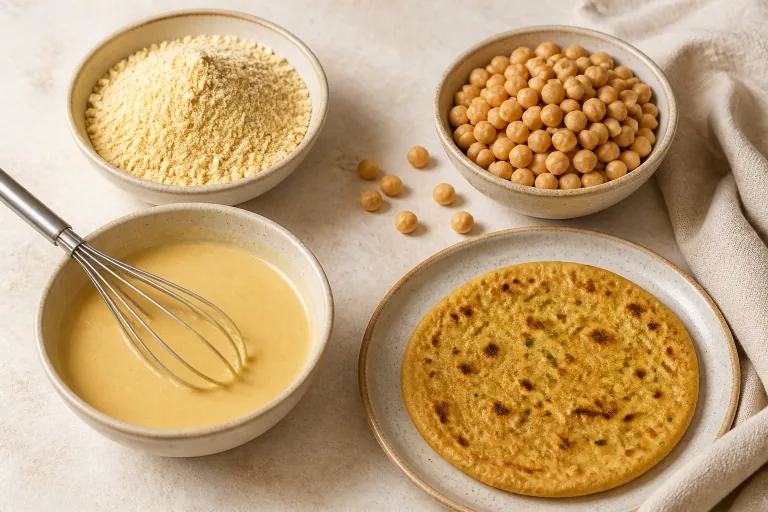
✓ Eat freely
- Above-ground vegetables
- Legumes, grains
- Dairy, fruit, nuts
✕ Limit or avoid
- Meat, fish, eggs
- Onion, garlic, potato, ginger root
- Honey & fermented foods
Who is Jain for?
The goals this pattern is most often used for. In a consult we confirm whether it actually fits your body and life.
Is there good evidence that Jain works?
Nidari rates the evidence behind Jain’s primary claims as limited / unproven — that is the current weight of peer-reviewed research for those claims, and nothing more. This one is included for completeness — the evidence does not strongly support its specific claims, and we’ll always tell you so.
How does Nidari adapt Jain?
Jain restrictions are demanding nutritionally — we plan carefully around the no-root-vegetable rule to keep protein, iron and variety high.
Book a free 15-minute intro callReady to discuss Jain?
Fifteen minutes with one of our dietitians. We’ll tell you honestly whether Jain fits you — or point you to the diet that does. Halal and home-kitchen ready. No pressure.