Medium Tier · Faith-Led
Sunnah Eating
A diet recorded in 1,400-year-old sources, and increasingly validated by 21st-century nutrition science.
What Sunnah Eating actually means
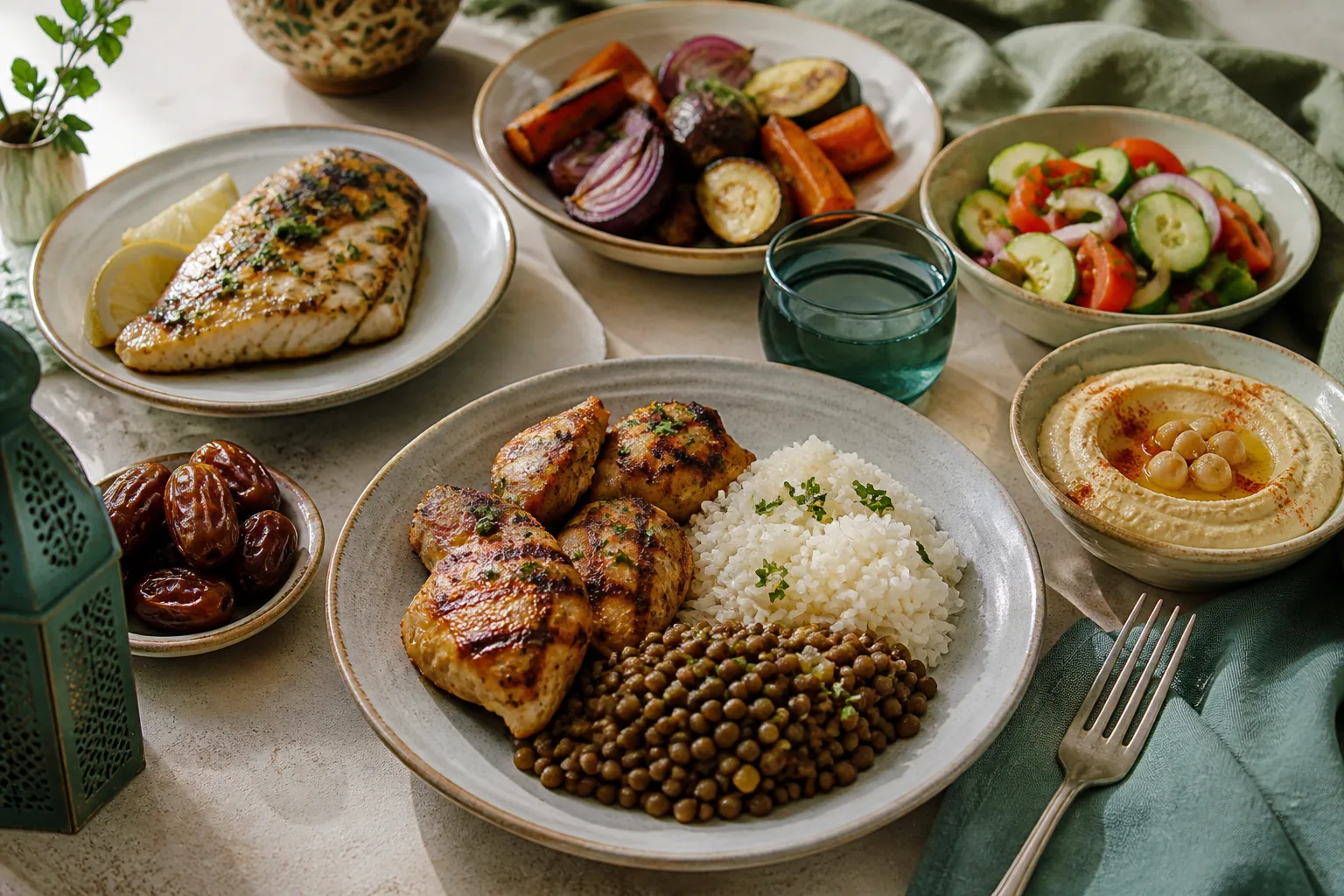
Sunnah Eating is the prophetic pattern of how, when and what to eat, built on moderation, whole foods, and gratitude. It isn't a restriction plan; it's a rhythm. Two halves work together: the manner of eating, and the foods themselves.
The manner
Eat before true hunger fades, stop before full, a third for food, a third for drink, a third for breath. Eat slowly, seated, and with intention.
The foods
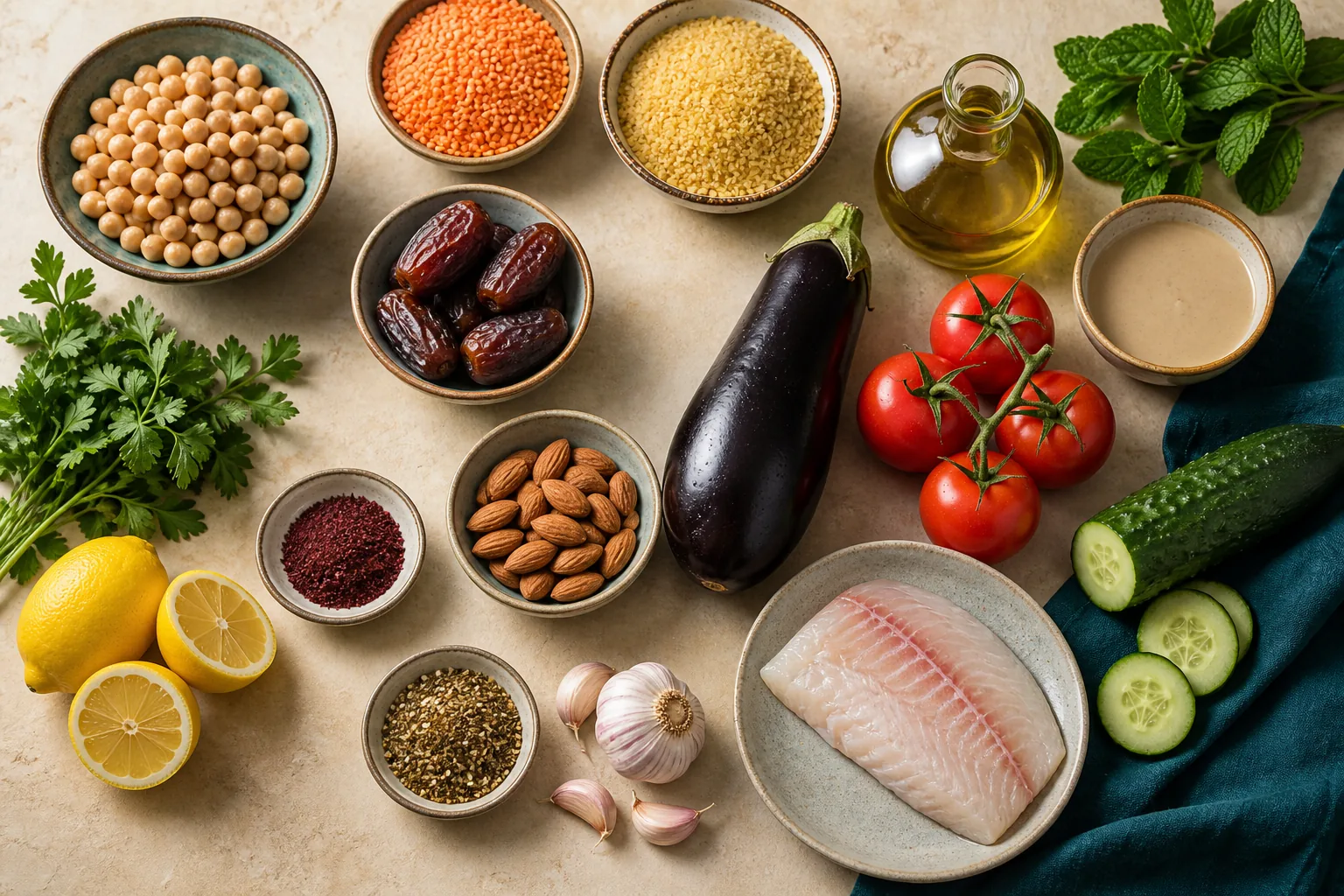
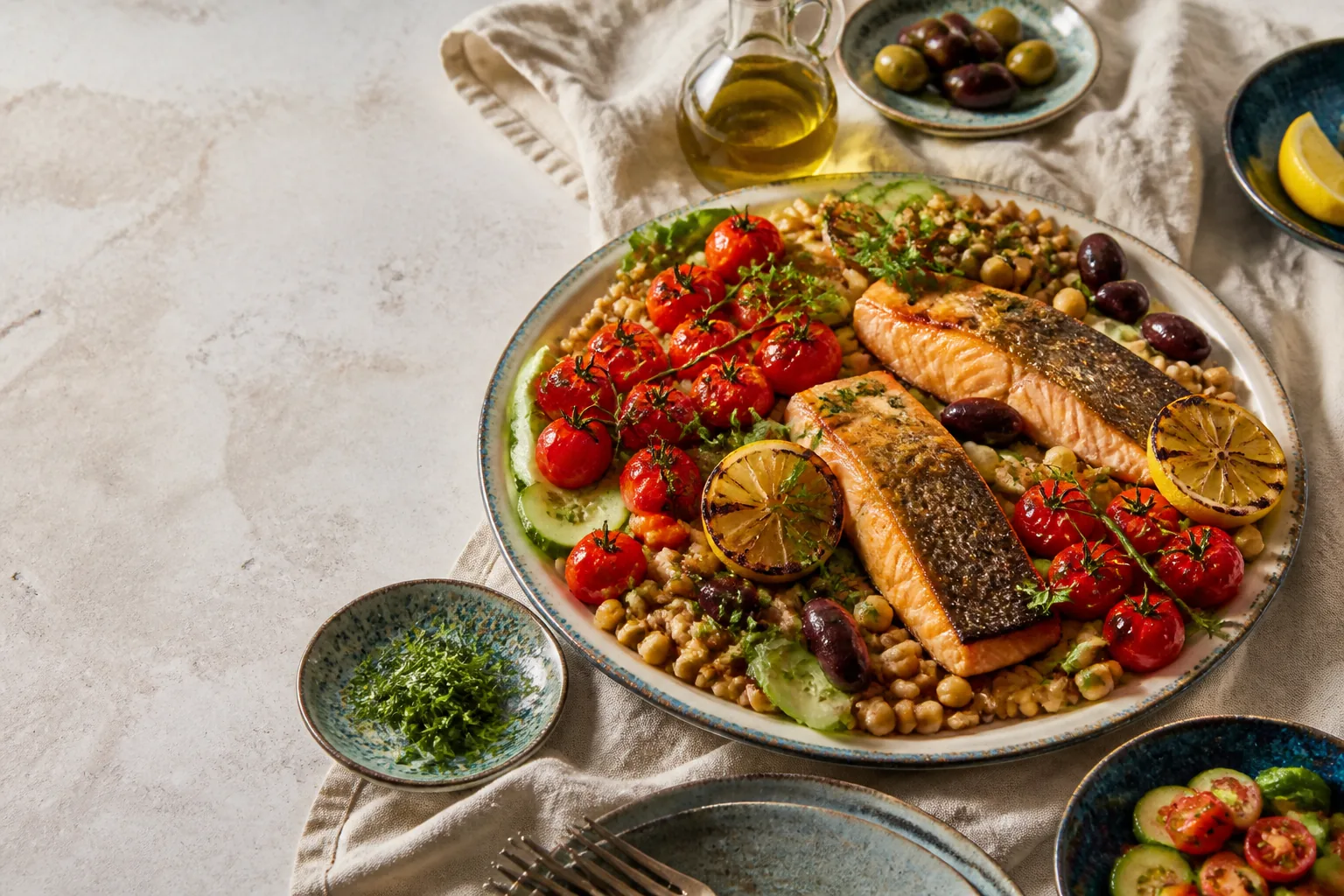
Dates, honey, barley, olive oil, milk and yogurt, figs, pomegranate, black seed, whole foods that modern science keeps re-discovering.
Evidence base
The science caught up
What was practised as devotion turns out to be sound metabolic advice: portion moderation, minimally-processed foods, and eating rhythms that support insulin sensitivity and gut health.
Three things this diet actually does
Rightsizes intake
The 'thirds' principle is portion control without counting, it simply works.
Upgrades the plate
Whole prophetic foods crowd out ultra-processed ones naturally.
Steadies the day
Regular, mindful meals reduce grazing and blood-sugar swings.
What you eat on this diet
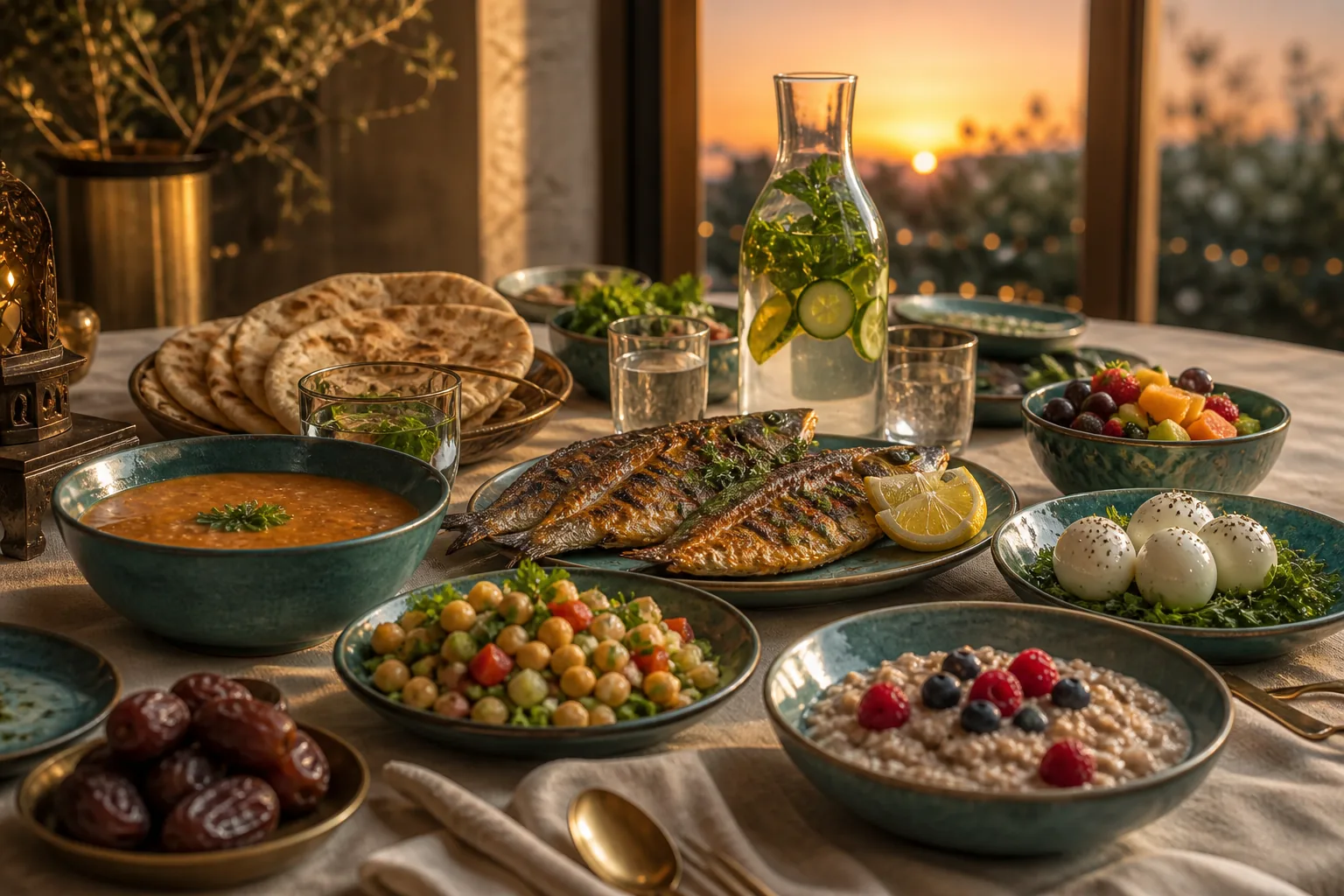
Prophetic staples
- Dates (in moderation)
- Barley / talbina
- Olive oil
- Honey
- Milk & yogurt
- Figs & pomegranate
- Black seed (kalonji)
- Water, sipped slowly
Naturally reduced
- Ultra-processed snacks
- Sugary drinks
- Overeating past fullness
- Late-night heavy meals
This is for you if…
- You want a faith-rooted, sustainable way of eating, not a crash diet
- You value moderation and whole foods over counting calories
- You want your eating to feel like worship, not punishment
- You're looking for a gentle, lifelong pattern the whole family can share
This is not for you if…
- × You need aggressive, medically-supervised intervention for an acute condition
- × You want rapid, dramatic weight change in weeks
- × You have an eating disorder history where 'moderation' language is unsafe
Questions women actually ask
Isn't this just eating healthy?
In part, but the framework, rhythm and intention are what make it stick. The manner of eating does as much work as the food list.
Can I still eat Pakistani food?
Absolutely. Sunnah Eating shapes how and how much, not a swap to unfamiliar food. Your daal, roti and sabzi belong here.
Will I lose weight?
Many do, gently, as portions right-size and processed foods fall away, but the goal is a sustainable pattern, not a number.
Two ways into this diet
Join a cohort
A coach plus 6–10 women on the same path, accountability, a private chat, and weekly check-ins.
See cohortsOne-on-one with Maryam or Minahil
A fully personalised plan and direct coaching, built around your body, labs and life.
Message Maryam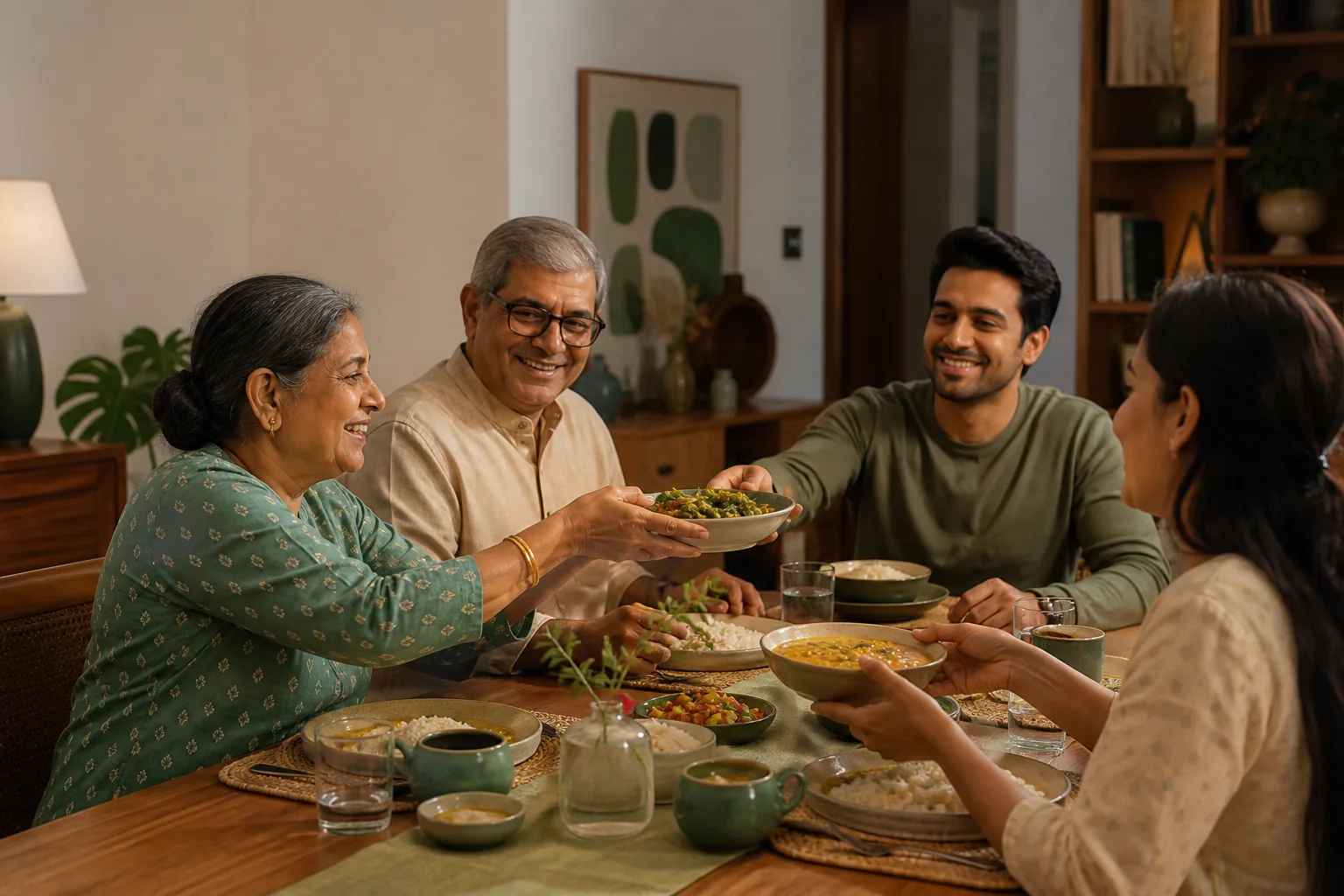
References & citations
- Sahih al-Bukhari & Sahih Muslim, narrations on moderation and the manner of eating.
- Sunan al-Tirmidhi 2380, the 'thirds' principle of the stomach.
- Contemporary reviews on portion moderation, whole-food patterns and metabolic health.