Kosher
Jewish dietary law: permitted foods, ritual slaughter, and keeping meat and dairy apart.
Compiled by Nidari Nutrition from the Atlas dataset · pending clinical review by Maryam Shabbir, DN.
This is an Atlas entry — a short reference overview, not one of our long-form diet guides. Educational, not medical advice; personalized and clinically reviewed at your consult.
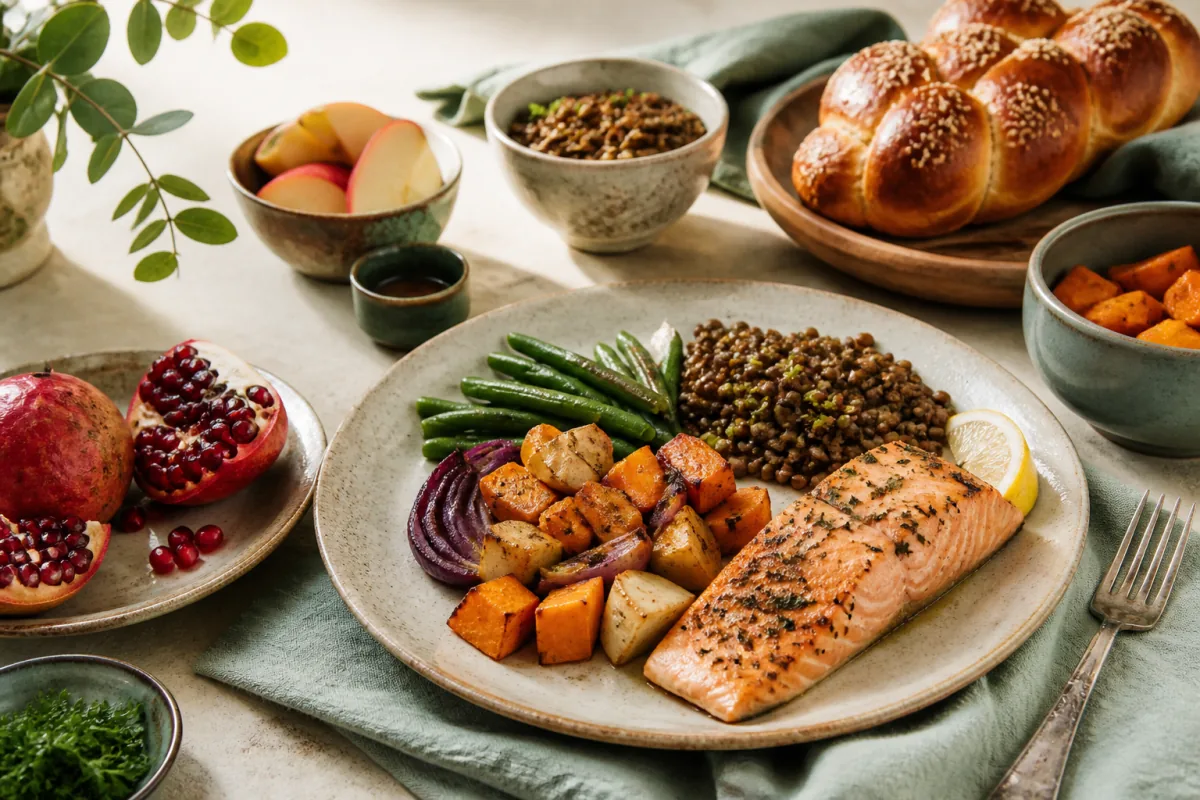
What is Kosher?
Kosher is a religious and faith-based eating practice from Ancient Israel. Nidari rates it moderate to keep up day to day, and rates the weight of peer-reviewed evidence behind its main claims as strong.
Family: Religious & Faith-Based · Origin: Ancient Israel (Jerusalem) · Era: Ancient (~1200 BCE) · Difficulty: Moderate · Evidence rating: Strong evidence

Where does Kosher come from?
Kashrut sets out which animals may be eaten, how they must be slaughtered, and the strict separation of meat and dairy. One of the oldest continuously practiced food codes.
Originator: Jewish dietary law (Kashrut, Torah) · Region: Ancient Israel (Jerusalem) · Era: Ancient (~1200 BCE) · Atlas map pin: 31.78° N, 35.22° E
How does Kosher work?
- Only kosher species
- Ritual slaughter (shechita)
- Separate meat & dairy
- Certified (hechsher) products
What do you eat on Kosher?
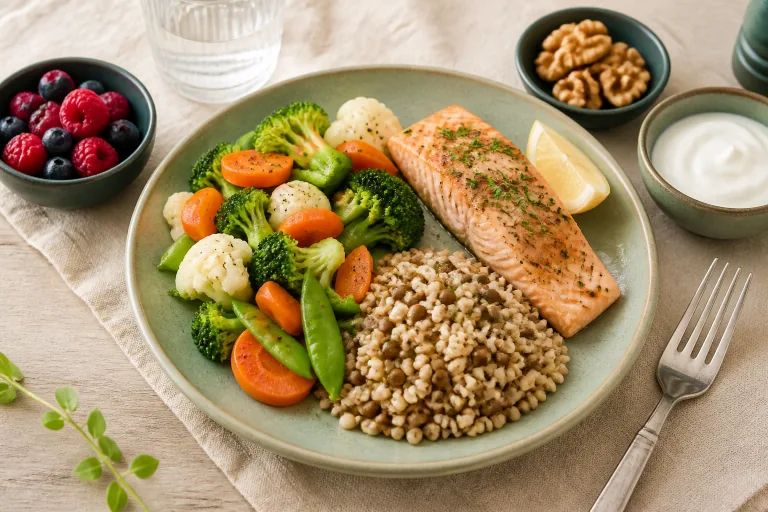
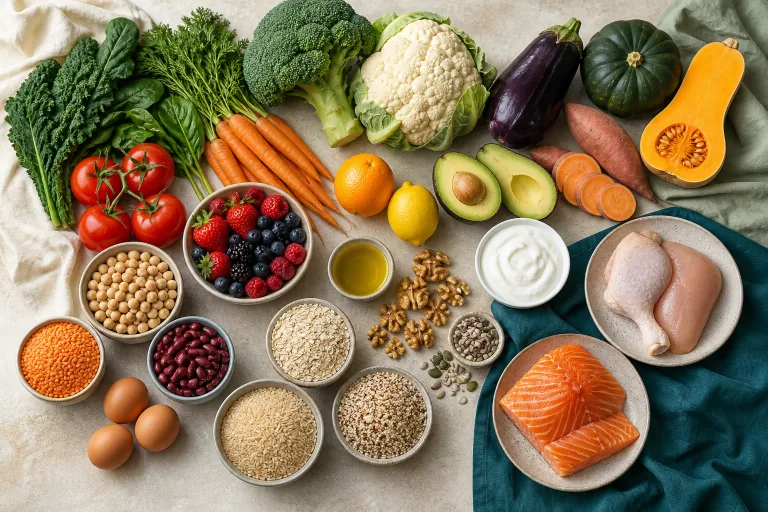
✓ Eat freely
- Kosher meat & poultry
- Fish with fins & scales
- Pareve foods (plants, eggs)
✕ Limit or avoid
- Pork & shellfish
- Mixing meat with dairy
- Non-certified products
Who is Kosher for?
The goals this pattern is most often used for. In a consult we confirm whether it actually fits your body and life.
Is there good evidence that Kosher works?
Nidari rates the evidence behind Kosher’s primary claims as strong — that is the current weight of peer-reviewed research for those claims, and nothing more.
How does Nidari adapt Kosher?
We catalog kosher for completeness and respect its rigor; for kosher-keeping clients we plan around its meat/dairy separation and certifications.
Book a free 15-minute intro callReady to discuss Kosher?
Fifteen minutes with one of our dietitians. We’ll tell you honestly whether Kosher fits you — or point you to the diet that does. Halal and home-kitchen ready. No pressure.