The Low-FODMAP Diet
A validated three-phase protocol for IBS: remove the fermentable carbs that trigger symptoms, then reintroduce them one group at a time to find your personal triggers. It's temporary and meant to be guided — and because onion and garlic are major FODMAPs, doing it in a desi kitchen really needs a dietitian.
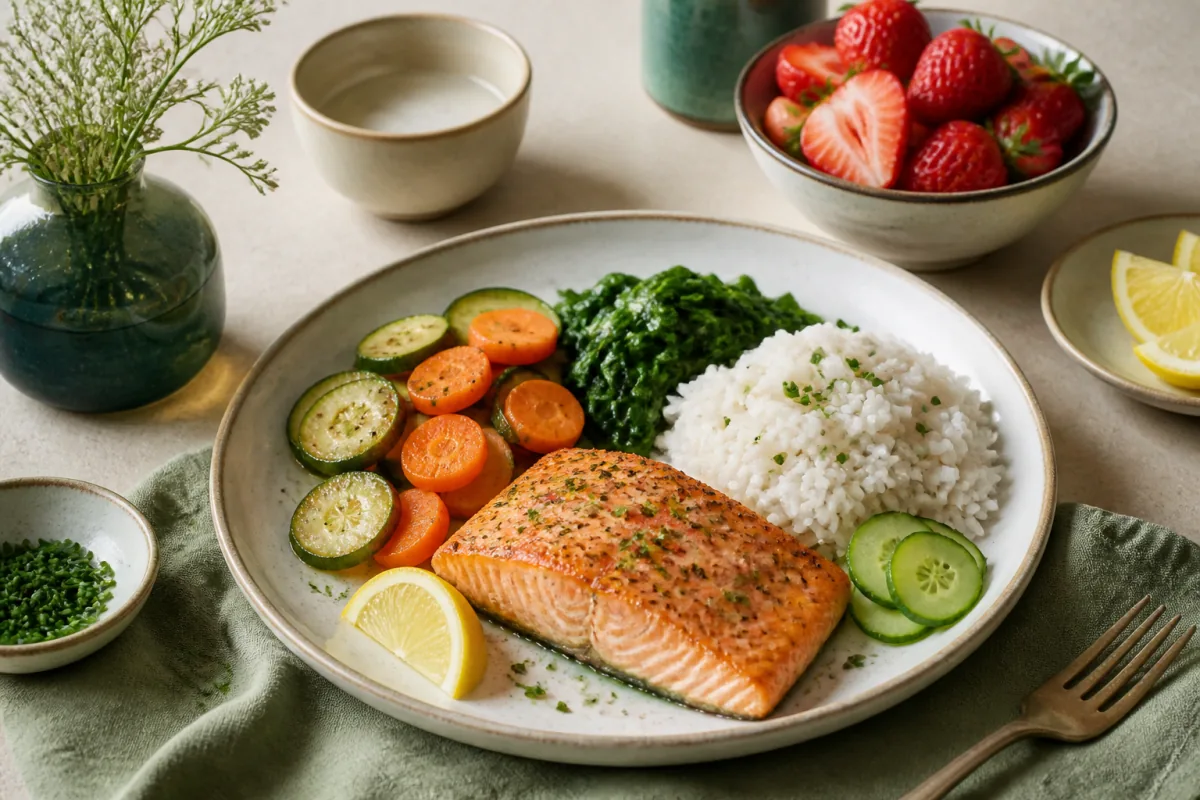

A protocol, not a lifestyle
Researchers at Monash University in Melbourne developed the low-FODMAP diet in 2005. FODMAP stands for Fermentable Oligo-, Di-, Mono-saccharides and Polyols — short-chain carbs that some guts can't absorb well. They ferment, pull in water, and produce gas, triggering the bloating, pain and irregularity of irritable bowel syndrome.
Crucially, it runs in three phases: a short elimination of high-FODMAP foods (2–6 weeks), a structured reintroduction testing each FODMAP group, and a long-term personalisation that keeps only your real triggers out. The reintroduction is the whole point — this is a diagnostic tool, not a forever diet.
The honest caution: it's strong evidence for diagnosed IBS and unnecessary (even harmful) for people without gut symptoms. And in our cooking, onion, garlic and wheat — all high-FODMAP — are everywhere, which is exactly why self-managing it tends to fail.
"The goal of low-FODMAP isn't to eat this way forever — it's to find your two or three real triggers and then eat as freely as possible around them. Most people get stuck in phase one. We get you all the way through."Temporary by design
What the research shows
Genuinely strong — for the right person, used the right way.
IBS symptom relief
Around three in four people with IBS get meaningful relief from bloating, pain and irregularity on a properly run low-FODMAP diet — one of the best-evidenced dietary therapies in gastroenterology.
It's diagnostic, not forever
The reintroduction phase is the point: it identifies your specific triggers so you can add most foods back. Staying in strict elimination long-term is a misuse of the diet.
Over-restriction has a cost
FODMAPs are also prebiotics that feed beneficial gut bacteria. Restricting them too long can lower beneficial bacteria such as Bifidobacteria — another reason it must be temporary and supervised.
Get a diagnosis first
Gut symptoms can signal coeliac disease, IBD or other conditions. Low-FODMAP is for diagnosed IBS — see your doctor to rule out other causes before starting.
The three phases
Eliminate (2–6 weeks)
Remove high-FODMAP foods to calm symptoms and get a clean baseline. Short and strict — never the end point.
Reintroduce (6–8 weeks)
Test one FODMAP group at a time, in measured amounts, watching your response — this is where you learn your real triggers.
Personalise (ongoing)
Keep out only what genuinely troubles you and bring everything else back — the least-restrictive diet that keeps you comfortable.
The low-FODMAP plate
Plenty is still allowed — and one clever trick keeps desi flavour alive.
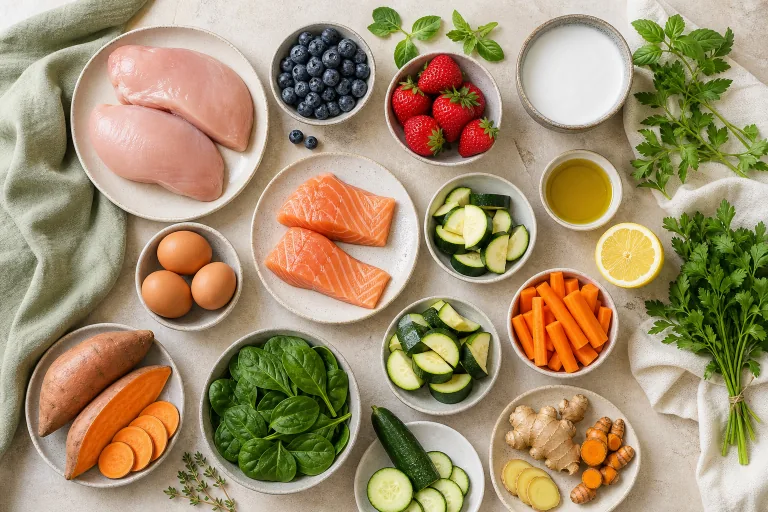
A low-FODMAP day, desi-style
An elimination-phase example — flavour intact, thanks to infused oil and smart swaps.

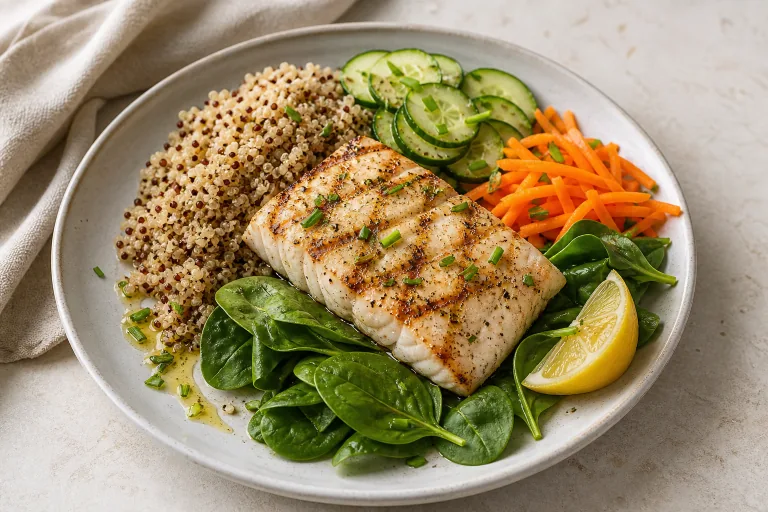

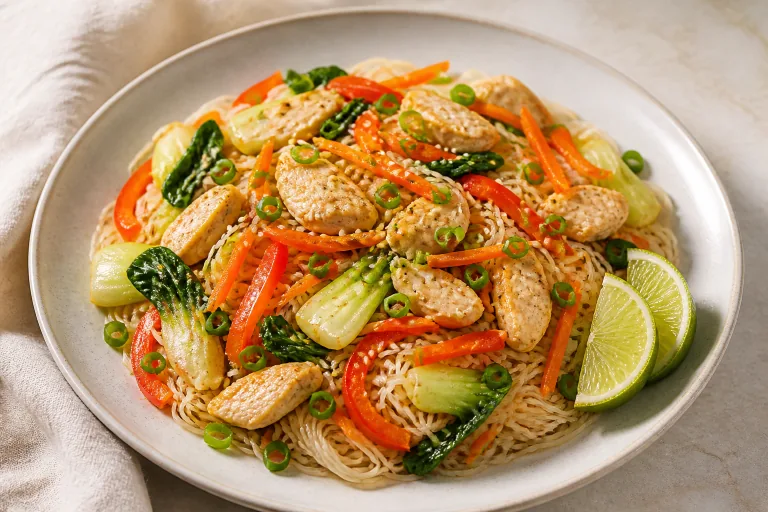
Four gut-friendly recipes
Elimination-phase friendly, full of flavour. Maryam guides the phases and protects your nutrition.
Who this is for
A great fit if you…
- Have diagnosed IBS, or persistent bloating, pain and irregularity
- Have seen a doctor to rule out other causes
- Are ready to do a structured, temporary, guided process — not a forever diet
- Want to find your real triggers and then eat as freely as possible
Not for you if…
- You don't have gut symptoms — there's no benefit, and real downside, to restricting needlessly
- You have a history of disordered eating — the restriction can be a trigger
- You're pregnant, or wouldn't have dietitian support — it's too easy to do incompletely
- You'd stay in the strict phase indefinitely — that misuses the diet and can harm your gut
The diet is the start. You are the rest.
This is the diet where a dietitian matters most — onion and garlic make it a desi-cooking puzzle.
We run all three phases
Most people self-manage the elimination and then get stuck, over-restricted and anxious. We guide the reintroduction and personalisation — the part that actually gives you your food back.
We rescue the flavour
Garlic-infused oil, the green tops of spring onion, ginger and ground spices let your food still taste like home without the onion-and-garlic FODMAP load.
We protect your nutrition
Elimination can get narrow fast. We keep fibre, calcium and variety intact, and make sure the strict phase stays short.
The honest answers
FODMAPs are types of short-chain carbohydrate — found in onion, garlic, wheat, certain legumes and fruits, and milk — that some people's guts can't absorb well. They ferment and draw in water, causing the gas, bloating and pain of IBS. Removing them temporarily calms the gut so you can test them one by one.
No — and that's the most important thing to understand. The strict phase lasts only a few weeks. The goal is reintroduction: finding your specific triggers and bringing everything else back. Long-term over-restriction can actually harm your gut bacteria.
This is the desi-cooking puzzle, and there's a neat fix: FODMAPs don't dissolve in oil, so garlic-infused oil gives you the flavour without the trigger. Add the green tops of spring onions, ginger and ground spices, and your masala base survives the elimination phase.
Yes — please see your doctor first. Gut symptoms can come from coeliac disease, IBD or other conditions that need different treatment. Low-FODMAP is specifically for diagnosed IBS, so ruling out other causes comes first.
It doesn't cure IBS, but it controls it well — about three in four people get real symptom relief. Once you know your triggers, you can keep symptoms low while eating a varied, mostly-normal diet.
Strict elimination isn't meant to be long-term — FODMAPs feed beneficial gut bacteria, so staying too restricted can lower beneficial bacteria such as Bifidobacteria. The personalised end-state, where most foods are back, is what you live on.
Where this comes from
- RCTsIBS efficacy. Monash University FODMAP research and multiple randomised trials — symptom relief in roughly 70% of IBS patients. Black 2022 (Gut) ↗
- ProtocolThree phases. Clinical guidance on elimination, structured reintroduction and long-term personalisation. ACG IBS 2021 ↗
- MicrobiomeRestriction cost. Studies showing reduced microbial diversity with prolonged low-FODMAP restriction — supporting its temporary use. So 2022 (AJCN) ↗
- GuidanceDiagnose first. Gastroenterology guidance to exclude coeliac disease, IBD and other causes before starting. ACG IBS 2021 ↗
Compiled by Nidari Nutrition, June 2026. Pending formal clinical review by Maryam Shabbir, DN. Educational reference — not a substitute for individual medical advice. See your doctor to confirm IBS before beginning.
Ready to calm your gut?
Fifteen minutes with a dietitian. We'll run the full three-phase process with you — flavour intact with garlic-infused oil — and get you to the least-restrictive diet that keeps you comfortable.