Eastern Orthodox Fasting
Periodic plant-based fasting across much of the year — a built-in Mediterranean-vegan rhythm.
Compiled by Nidari Nutrition from the Atlas dataset · pending clinical review by Maryam Shabbir, DN.
This is an Atlas entry — a short reference overview, not one of our long-form diet guides. Educational, not medical advice; personalized and clinically reviewed at your consult.
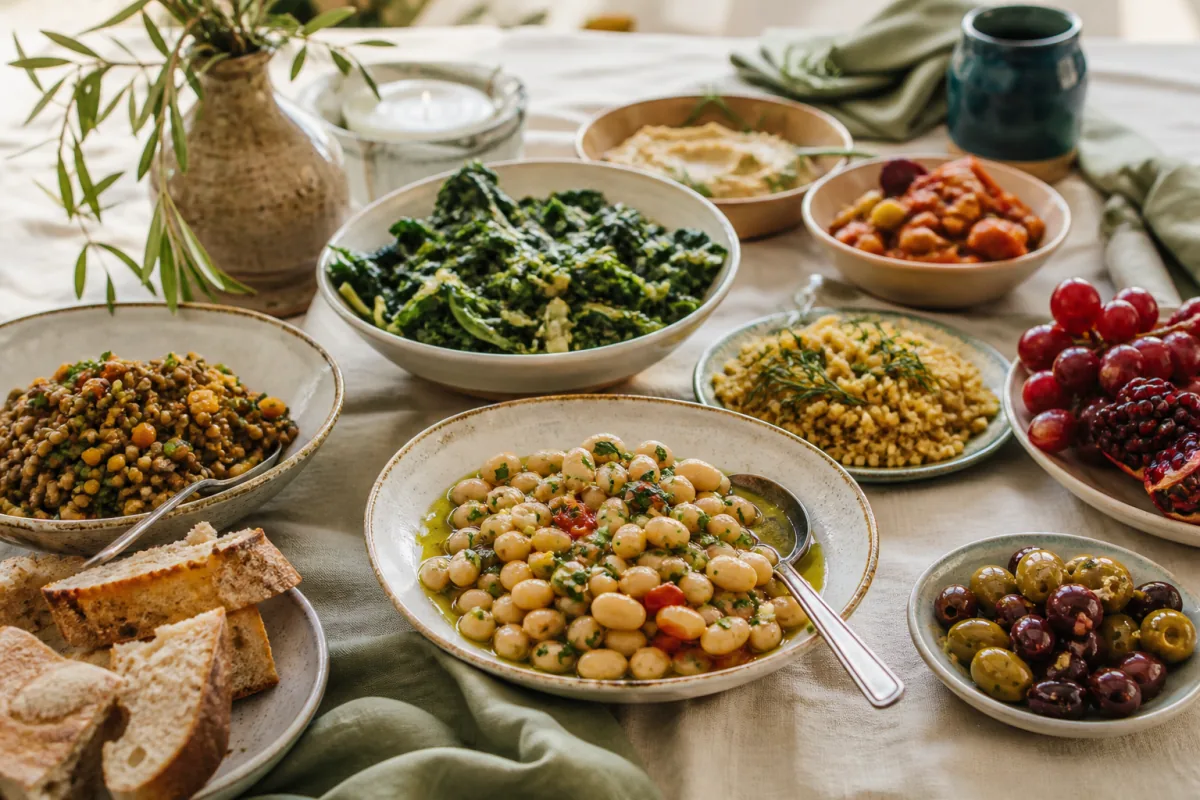
What is Eastern Orthodox Fasting?
Eastern Orthodox Fasting is a religious and faith-based eating practice from Greece & Eastern Europe. Nidari rates it moderate to keep up day to day, and rates the weight of peer-reviewed evidence behind its main claims as moderate.
Family: Religious & Faith-Based · Origin: Greece & Eastern Europe · Era: Early church (1st–4th c. CE) · Difficulty: Moderate · Evidence rating: Moderate evidence

Where does Eastern Orthodox Fasting come from?
Orthodox Christians observe many fasting days yearly, abstaining from meat, dairy and often oil. Studied populations (e.g. on Crete) show favorable cholesterol and heart markers from this cyclical plant-based pattern.
Originator: Orthodox Christian tradition · Region: Greece & Eastern Europe · Era: Early church (1st–4th c. CE) · Atlas map pin: 37.98° N, 23.73° E
How does Eastern Orthodox Fasting work?
- Frequent fasting periods
- No meat or dairy on fast days
- Often no oil on strict days
- Cyclical, not constant
What do you eat on Eastern Orthodox Fasting?

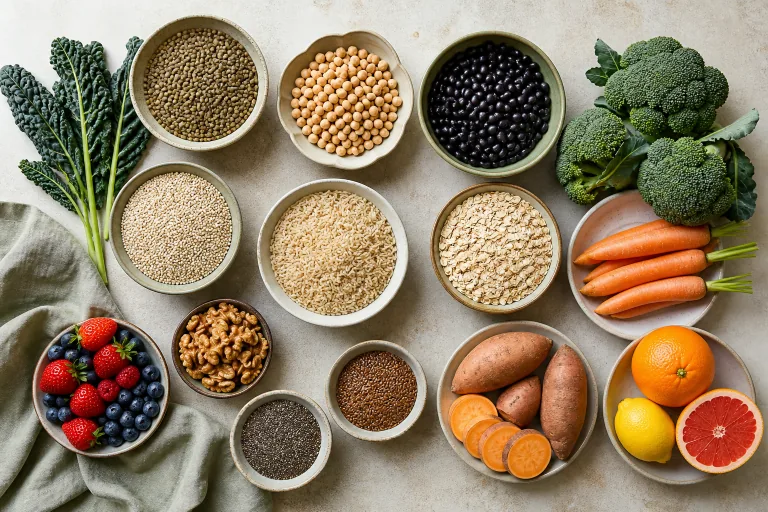
✓ Eat freely
- Legumes, vegetables, grains
- Fruit, nuts, seafood (some days)
- Olive oil (non-strict days)
✕ Limit or avoid
- Meat & poultry (fast days)
- Dairy & eggs (fast days)
- Sometimes oil & wine
Who is Eastern Orthodox Fasting for?
The goals this pattern is most often used for. In a consult we confirm whether it actually fits your body and life.
Is there good evidence that Eastern Orthodox Fasting works?
Nidari rates the evidence behind Eastern Orthodox Fasting’s primary claims as moderate — that is the current weight of peer-reviewed research for those claims, and nothing more.
How does Nidari adapt Eastern Orthodox Fasting?
A naturally heart-healthy rhythm — for observant clients we make the fasting periods nutritionally solid and the feast days balanced.
Book a free 15-minute intro callReady to discuss Eastern Orthodox Fasting?
Fifteen minutes with one of our dietitians. We’ll tell you honestly whether Eastern Orthodox Fasting fits you — or point you to the diet that does. Halal and home-kitchen ready. No pressure.