Ramadan Fasting (Sawm)
A month of dawn-to-sunset fasting — the world’s largest annual fasting tradition.
Compiled by Nidari Nutrition from the Atlas dataset · pending clinical review by Maryam Shabbir, DN.
This is an Atlas entry — a short reference overview, not one of our long-form diet guides. Educational, not medical advice; personalized and clinically reviewed at your consult.
Nidari has a full, long-form guide to this: Sunnah Intermittent Fasting →. The page you are reading is the short Atlas reference entry.
What is Ramadan Fasting (Sawm)?
Ramadan Fasting (Sawm) is a religious and faith-based eating practice from Arabian Peninsula. Nidari rates it moderate to keep up day to day, and rates the weight of peer-reviewed evidence behind its main claims as emerging.
Family: Religious & Faith-Based · Origin: Arabian Peninsula (Mecca) · Era: 7th century CE · Difficulty: Moderate · Evidence rating: Emerging research

Where does Ramadan Fasting (Sawm) come from?
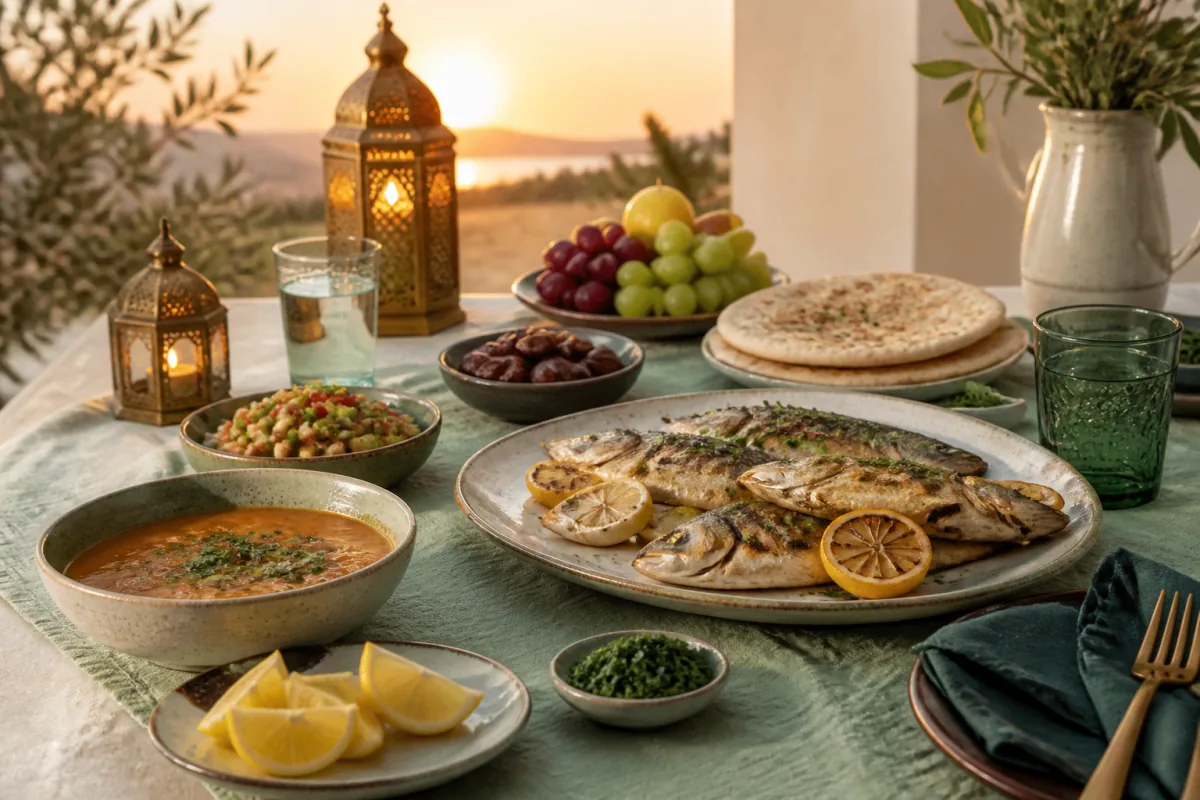
During Ramadan, observant Muslims abstain from food and drink from dawn (suhoor) to sunset (iftar). Beyond its spiritual purpose, it has clear parallels to time-restricted eating — and real nutrition needs at the two meals.
Originator: Islamic practice (one of the Five Pillars) · Region: Arabian Peninsula (Mecca) · Era: 7th century CE · Atlas map pin: 21.42° N, 39.83° E
How does Ramadan Fasting (Sawm) work?
- No food/drink dawn to sunset
- Nourishing suhoor & iftar
- Hydration in eating hours
- Avoid post-iftar overeating
What do you eat on Ramadan Fasting (Sawm)?
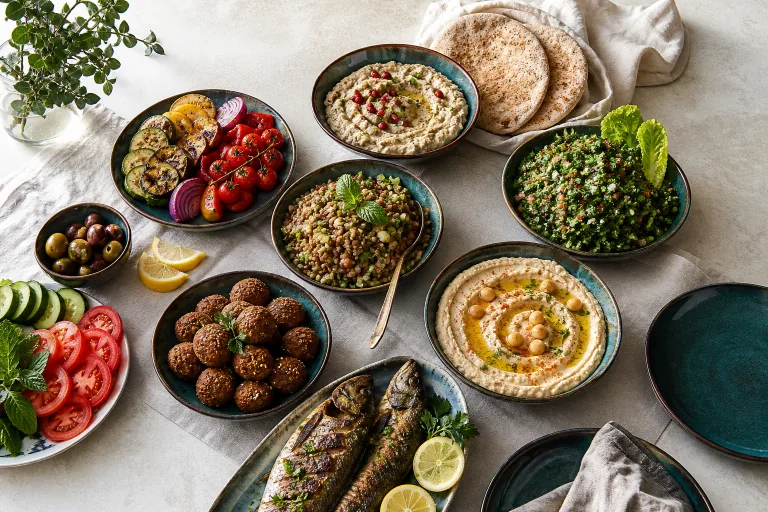
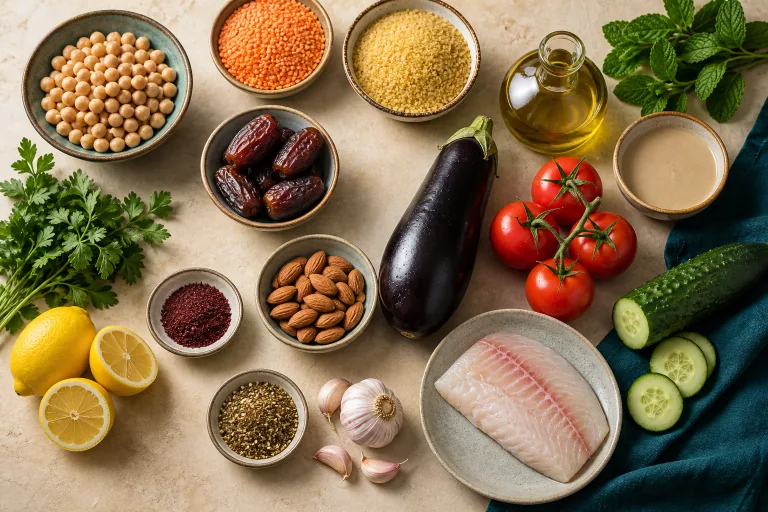
✓ Eat freely
- Slow-release carbs & protein (suhoor)
- Dates, fruit, balanced iftar
- Plenty of water overnight
✕ Limit or avoid
- Heavy fried iftar foods
- Sugary overload at iftar
- Dehydration
Who is Ramadan Fasting (Sawm) for?
The goals this pattern is most often used for. In a consult we confirm whether it actually fits your body and life.
Is there good evidence that Ramadan Fasting (Sawm) works?
Nidari rates the evidence behind Ramadan Fasting (Sawm)’s primary claims as emerging — that is the current weight of peer-reviewed research for those claims, and nothing more. Promising early research; not yet settled science.
How does Nidari adapt Ramadan Fasting (Sawm)?
We design suhoor and iftar so you stay energized, hydrated and well-nourished through the month — and don’t undo it with fried-food overload at sunset.
Book a free 15-minute intro callReady to discuss Ramadan Fasting (Sawm)?
Fifteen minutes with one of our dietitians. We’ll tell you honestly whether Ramadan Fasting (Sawm) fits you — or point you to the diet that does. Halal and home-kitchen ready. No pressure.