The DASH Diet
Most diets evolved. This one was designed — by the US National Institutes of Health — for a single job: lowering blood pressure without medication. It works so well it's prescribed in clinics worldwide. For desi kitchens, the real change isn't the food — it's the salt.

A diet built to prescribe
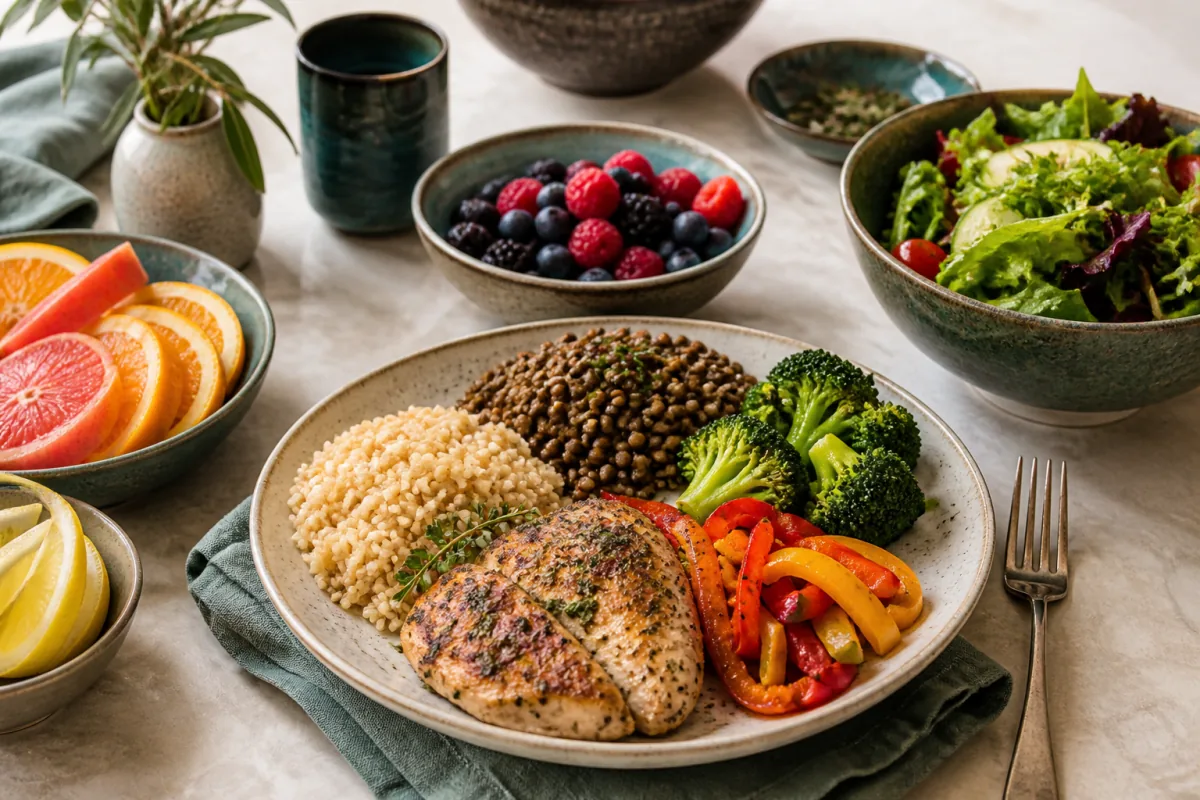
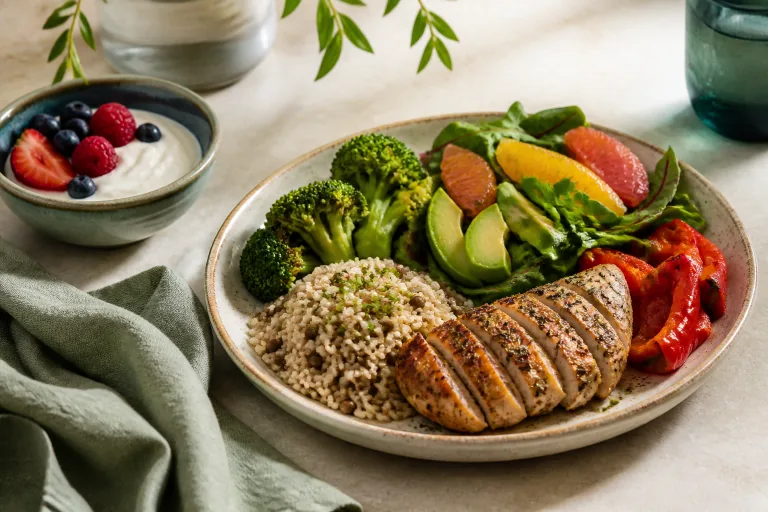
DASH stands for Dietary Approaches to Stop Hypertension. In the 1990s the US National Institutes of Health asked a simple question: could food alone lower blood pressure as well as medication? They built a diet to test it — rich in vegetables, fruit, low-fat dairy and whole grains, light on salt, red meat and sweets.
The landmark DASH trial in 1997 was a resounding yes. Within two weeks, blood pressure fell — in some participants as much as a single blood-pressure drug achieves. A follow-up study, DASH-Sodium, then showed the lower the salt, the bigger the drop.
Today it's recommended by cardiology and hypertension guidelines around the world. It's the Mediterranean diet's clinical cousin — and for the high rates of blood pressure in South Asian families, it's one of the most useful entries in the whole atlas.
"DASH didn't discover a superfood. It proved that more potassium and far less sodium — vegetables in, salt out — can move blood pressure as reliably as a pill."Food as medicine, measured
One of the best-proven diets there is
DASH earns its "strong" rating from controlled feeding trials — the gold standard.
The original DASH trial
The DASH eating pattern lowered systolic blood pressure substantially within weeks — in people with hypertension, by an amount comparable to a single medication, on food alone.
DASH-Sodium
Adding salt reduction on top of DASH lowered blood pressure further — and the lowest-sodium group saw the biggest fall. The salt lever is real and powerful.
Recommended everywhere
DASH is named in major cardiology and hypertension guidelines as a first-line lifestyle therapy — one of very few diets to earn that status.
Beyond blood pressure
Higher DASH adherence also tracks with lower risk of stroke, heart disease and type-2 diabetes — the downstream payoff of controlling pressure and eating more plants.
Three things it does in the body
Potassium up
Vegetables, fruit, beans and low-fat dairy flood the body with potassium, magnesium and calcium — minerals that relax blood-vessel walls and counter sodium.
Sodium down
Cutting salt lets the kidneys release retained water, easing the pressure inside the arteries. This is the single biggest lever — and the hardest in a desi kitchen.
Fibre & less fat
More fibre and less saturated fat and sugar improve cholesterol and weight too — so the blood-pressure win comes with a whole-heart bonus.
More of these, far less salt
DASH isn't about strange foods — it's about proportions, and the salt shaker.
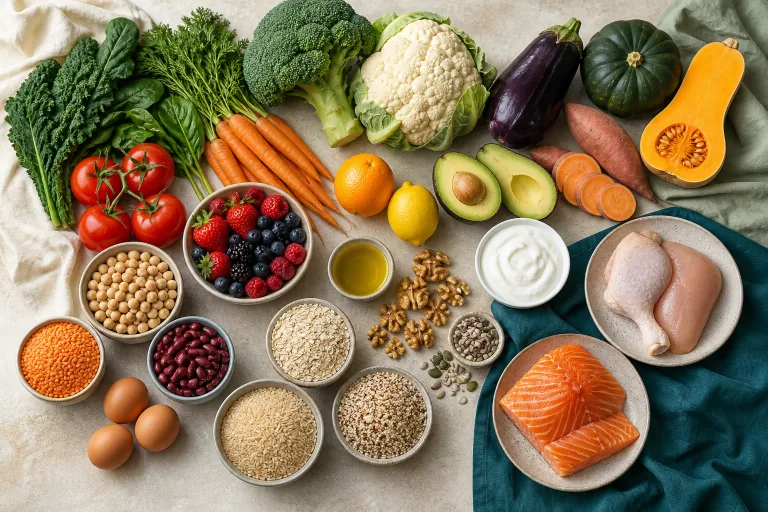
A day on DASH, desi-style
Familiar food — re-balanced toward vegetables, and re-tuned away from salt.
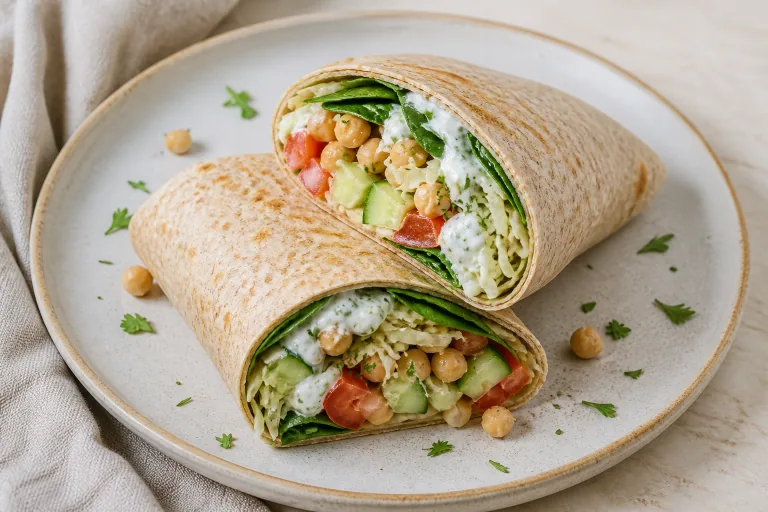
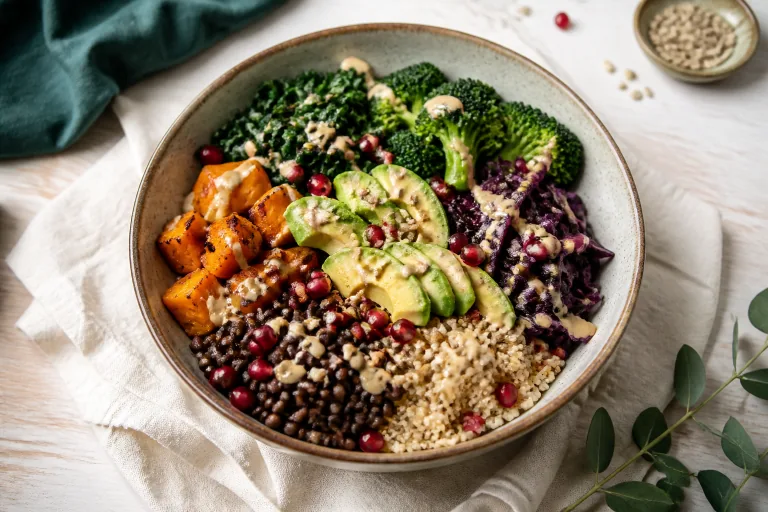
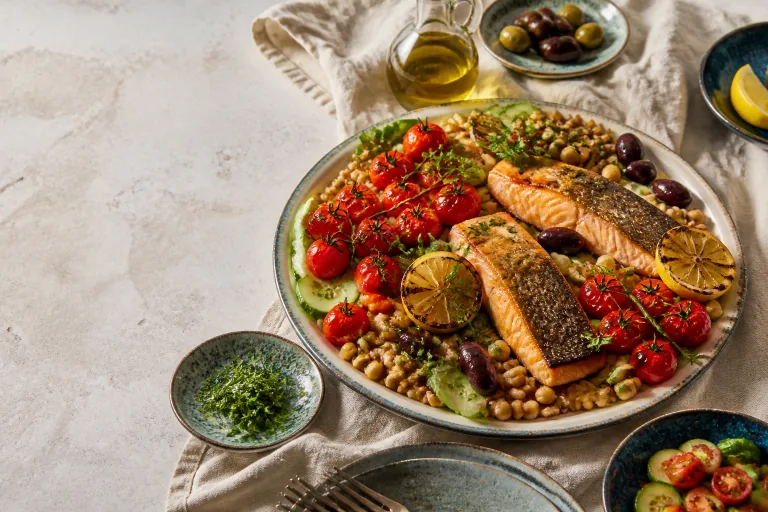
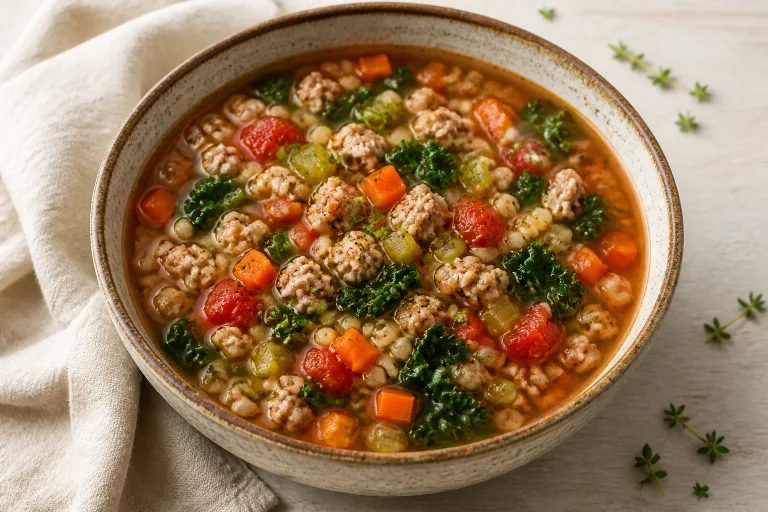
Four low-salt desi recipes
Proof that flavour comes from spice, not sodium. Maryam fine-tunes to your numbers.
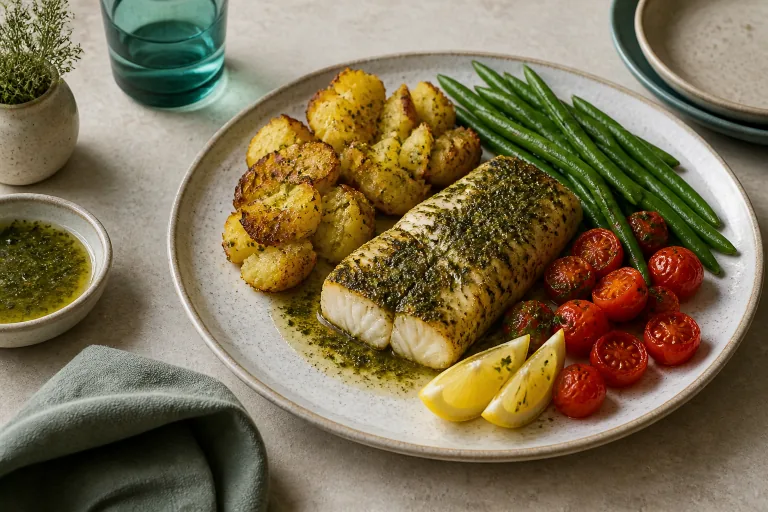
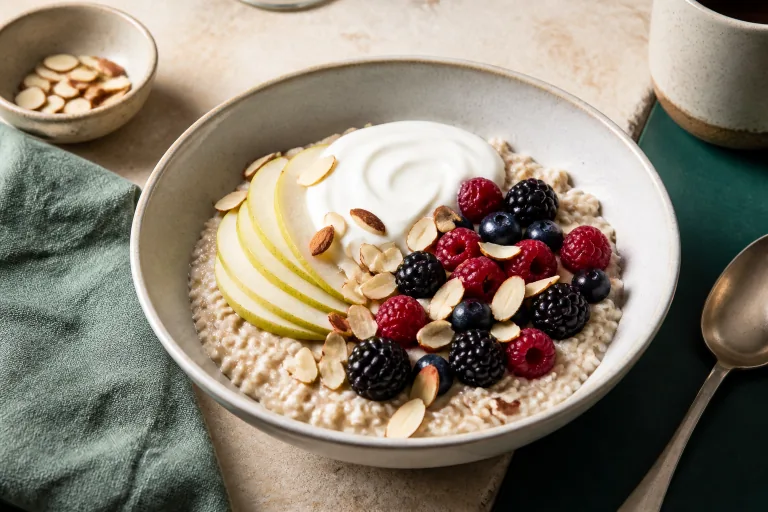

Who this is for
A strong fit if you…
- Have high blood pressure — or a family history of it
- Have been told to "watch your salt" but don't know how
- Want a clinically-proven plan that's still easy to live on
- Are managing heart risk, early kidney concerns or type-2 diabetes alongside
Maybe not if you…
- Have low blood pressure already
- Need a weight-loss-specific structure first and foremost
- Have advanced kidney disease (potassium must then be limited, not raised — needs a renal plan)
The diet is the start. You are the rest.
DASH on paper is American. We make it a Pakistani kitchen you'd actually recognise.
We fight the salt, not the flavour
We strip out the hidden sodium — bouillon, packaged masala-salt, papad, excess achaar — and replace it with lemon, herbs and whole spices, so the food still tastes like home.
We keep it desi & halal
Dal is your beans. Lassi is your low-fat dairy. Sabzi is your vegetable target. We hit the DASH proportions with the food you already cook.
We work with your doctor
If you're on blood-pressure medication, DASH can lower your numbers enough that doses need adjusting — so we coordinate, never freelance. Your readings guide the plan.
The honest answers
Our cooking can be very high in sodium — but mostly from add-ons: bouillon cubes, papad, achaar, namkeen and restaurant gravies, not the spices. Remove those and lean on lemon, garlic, ginger and whole spice, and desi food becomes genuinely DASH-friendly without tasting bland.
Yes — DASH limits salt, it doesn't ban it. We set a realistic daily target and spend it where it matters, while cutting the hidden sources you won't even miss. The lower you go, the more your pressure drops, but we make it sustainable.
For some people with mild hypertension, DASH alone can be enough; for others it lets the doctor reduce the dose. Never stop or change medication on your own — we work alongside your physician and your readings decide.
Very. DASH's high-fibre, lower-sugar, plant-rich pattern helps blood sugar as well as pressure — the two so often travel together. We simply add carbohydrate-timing on top.
It's one of the easier diets in the atlas — no banned food groups, no fasting, no ketosis. The only real discipline is salt awareness, and once your palate adjusts (about two to three months), heavily salted food actually starts to taste like too much.
Important caveat: DASH deliberately raises potassium, which is right for blood pressure but wrong for advanced kidney disease, where potassium must be limited. If you have kidney issues, tell us — we'd use a tailored renal plan instead.
Where this comes from
- Controlled trialThe DASH trial. Appel LJ, et al. A Clinical Trial of the Effects of Dietary Patterns on Blood Pressure. N Engl J Med 1997;336:1117–1124. Appel 1997 (NEJM) ↗
- Controlled trialDASH-Sodium. Sacks FM, et al. Effects on Blood Pressure of Reduced Dietary Sodium and the DASH Diet. N Engl J Med 2001;344:3–10. Sacks 2001 (NEJM) ↗
- GuidelinesClinical endorsement. American Heart Association / ACC and international hypertension guidelines recommending DASH as first-line lifestyle therapy. 2017 ACC/AHA HTN Guideline ↗
- CohortsLong-term outcomes. Pooled analyses linking DASH adherence to lower stroke, coronary disease and type-2 diabetes risk. Chiavaroli 2019 umbrella ↗
Compiled by Nidari Nutrition, June 2026. Pending formal clinical review by Maryam Shabbir, DN. Educational reference — not a substitute for individual medical advice. Never change blood-pressure medication without your physician.
Ready to discuss DASH?
Fifteen minutes with a dietitian. If blood pressure is your concern, we'll show you how to bring it down with the food already in your kitchen — minus the salt you won't miss.