Ethiopian
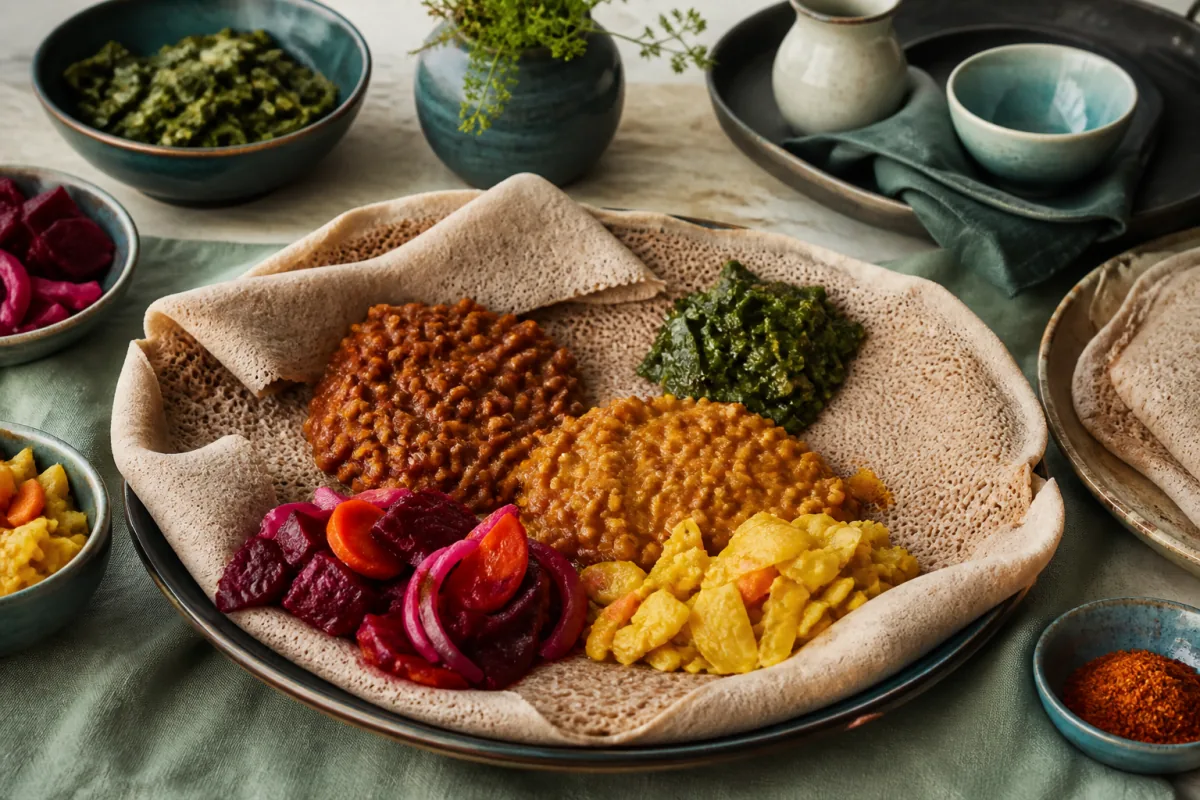
Teff-based injera, spiced legume and vegetable stews, with frequent fasting.
Compiled by Nidari Nutrition from the Atlas dataset · pending clinical review by Maryam Shabbir, DN.
This is an Atlas entry — a short reference overview, not one of our long-form diet guides. Educational, not medical advice; personalized and clinically reviewed at your consult.
What is Ethiopian?
Ethiopian is a cultural and regional way of eating from Ethiopia. Nidari rates it moderate to keep up day to day, and rates the weight of peer-reviewed evidence behind its main claims as limited / unproven.
Family: Cultural & Regional · Origin: Ethiopia (Addis Ababa) · Era: Traditional · Difficulty: Moderate · Evidence rating: Limited / unproven

Where does Ethiopian come from?
Ethiopian cuisine pairs mineral-rich teff (in injera flatbread) with spiced legume and vegetable wots. Orthodox fasting traditions also make much of it naturally plant-based for large parts of the year.
Originator: Ethiopian culinary tradition · Region: Ethiopia (Addis Ababa) · Era: Traditional · Atlas map pin: 9.03° N, 38.74° E
How does Ethiopian work?
- Teff (injera) as a staple
- Legume & vegetable stews
- Generous spices
- Frequent plant-based fasting
What do you eat on Ethiopian?
✓ Eat freely
- Teff injera
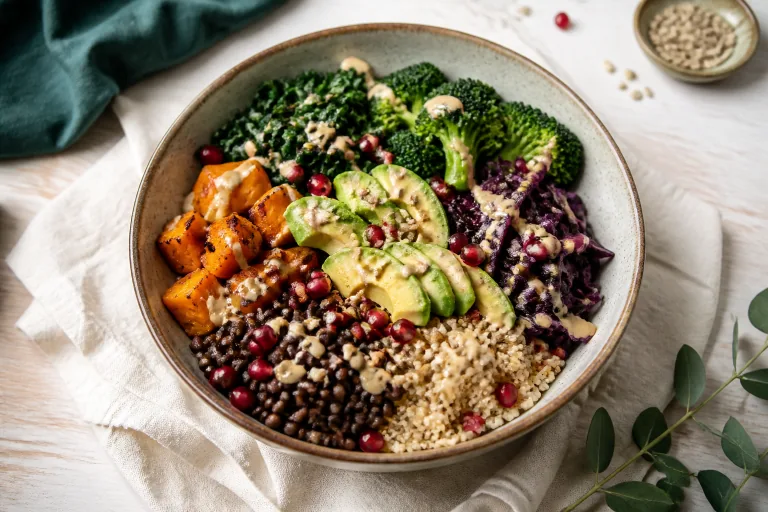
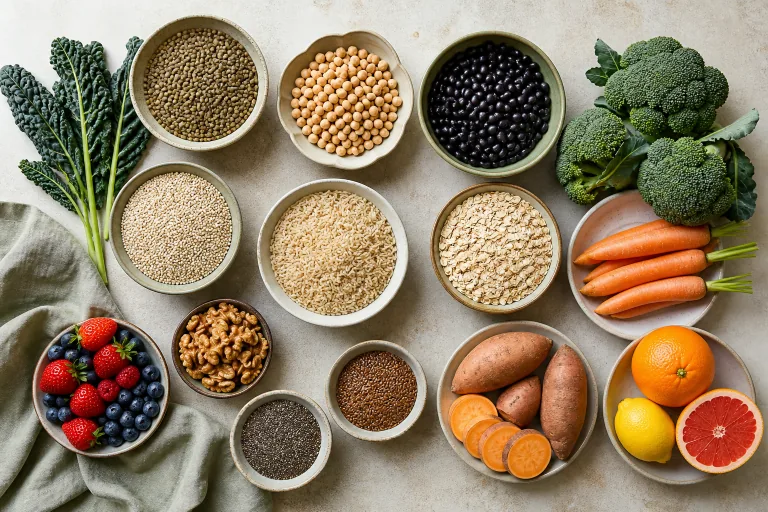
- Lentils, chickpeas, vegetables
- Berbere & spice blends
✕ Limit or avoid
- Excess oil in some stews
- Refined processed food
- Heavy meat (on fast days)
Who is Ethiopian for?
The goals this pattern is most often used for. In a consult we confirm whether it actually fits your body and life.
Is there good evidence that Ethiopian works?
Nidari rates the evidence behind Ethiopian’s primary claims as limited / unproven — that is the current weight of peer-reviewed research for those claims, and nothing more. This one is included for completeness — the evidence does not strongly support its specific claims, and we’ll always tell you so.
How does Nidari adapt Ethiopian?
Teff is naturally gluten-free and iron-rich — a great option we can weave in for variety and for gluten-sensitive clients.
Book a free 15-minute intro callReady to discuss Ethiopian?
Fifteen minutes with one of our dietitians. We’ll tell you honestly whether Ethiopian fits you — or point you to the diet that does. Halal and home-kitchen ready. No pressure.