The 5:2 Fast Diet
A gentler entry to fasting: eat normally five days a week and keep two non-consecutive days to about 500–600 calories. Only two hard days makes it easier to sustain than daily restriction — and the rhythm is familiar to anyone who fasts. As with all fasting, it isn't for everyone, and we screen for safety first.


Fasting, made gentler
Dr. Michael Mosley popularised 5:2 in 2012, after a BBC documentary on the science of fasting. The appeal was its simplicity: most days you eat normally, and on just two non-consecutive days you keep to roughly a quarter of your usual calories (about 500–600).
Compared with cutting calories every single day, many people find two hard days far easier to live with. And for our community, the rhythm of fasting is already deeply familiar.
The honest read: the evidence for 5:2 is moderate, and for weight loss it works about as well as continuous calorie restriction — the benefit comes from eating less overall, made easier by the structure. It's a tool, not a miracle, and — like any fasting — it isn't safe for everyone.
"5:2 works because two light days are easier to stick to than seven careful ones — not because fasting is magic. We make the fast days nourishing and check that fasting is safe for you first."Structure over willpower
What the research shows
Solid, unglamorous, and honest about its limits.
As good as daily dieting
Studies find 5:2 produces weight loss comparable to daily calorie restriction — neither clearly beats the other, so the best choice is the one you'll keep.
Two hard days, not seven
For many people, restricting hard on only two days is easier to sustain than moderating every day — and adherence is what actually drives results.
Some metabolic benefit
There are signals of improved blood sugar and insulin sensitivity, though the evidence is mixed and much of it tracks the weight loss itself.
Not for everyone
Fasting is unsafe in pregnancy, with diabetes or blood-sugar medication, and with a history of disordered eating. It can also trigger overeating on normal days if not planned.
Three things 5:2 does
Cuts the weekly total
Two very-low days pull your week's calories down without you having to count on the other five.
Beats daily willpower
You only have to be disciplined twice a week — a structure many people find far more livable.
Gives the body a rest
Periods of low intake may offer modest metabolic benefits — and the practice already fits a faith-based rhythm of fasting.
The 5:2 plate
On fast days, maximum fullness for minimum calories; on normal days, balanced — not a feast.
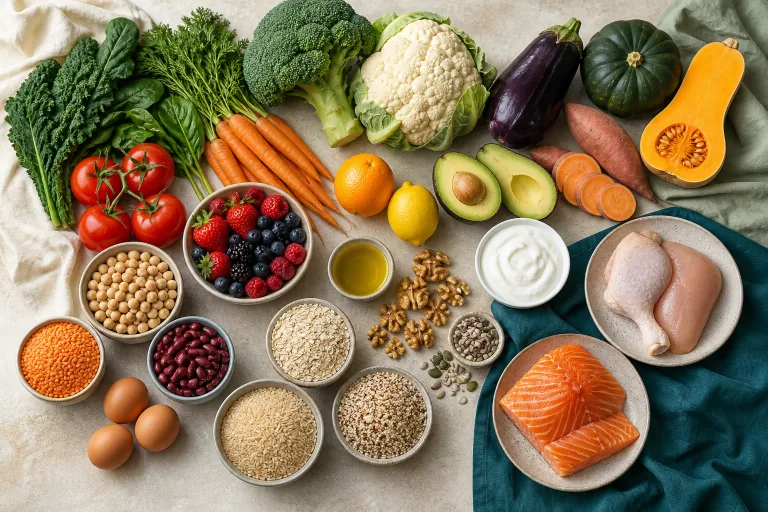
A fast day, desi-style
An example ~500–600 calorie day — built around protein, vegetables and shorba.
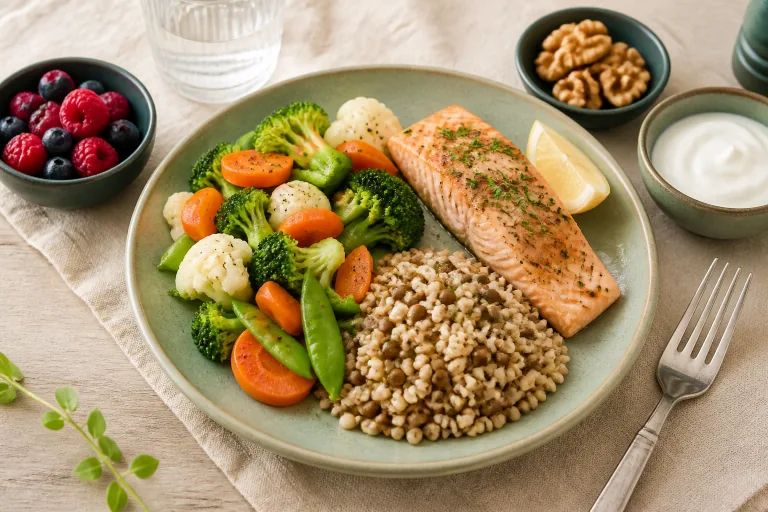
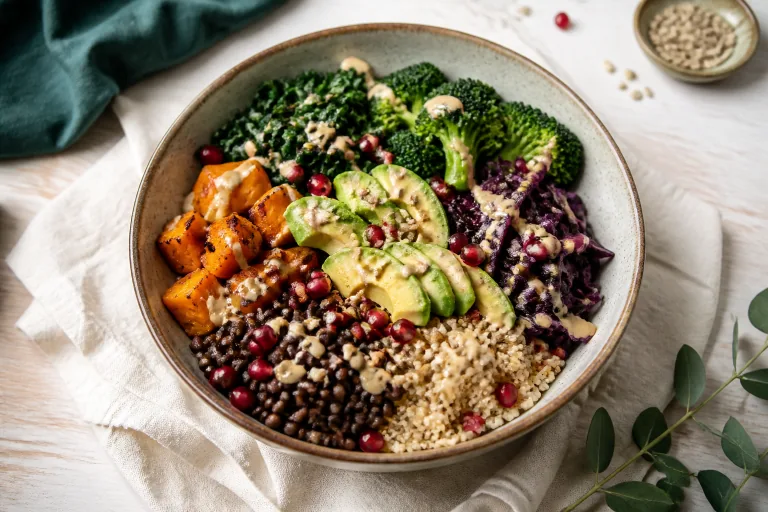

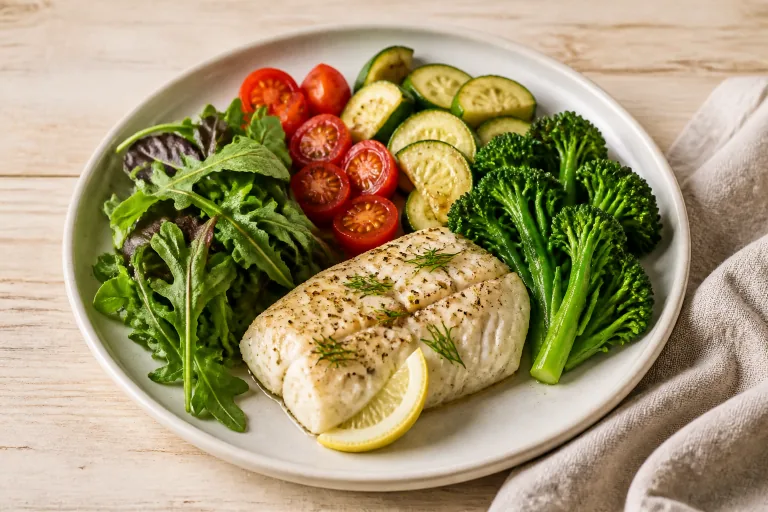
Four fast-day recipes
Maximum fullness, minimum calories. Maryam sets safe fast days that fit your week.
Who this is for
A fit if you…
- Want the benefits of fasting with only two hard days a week
- Are already comfortable with fasting (e.g., for faith)
- Prefer structure to counting calories every day
- Are medically cleared to fast
Don't fast if you…
- Are pregnant or breastfeeding
- Have diabetes or take blood-sugar / blood-pressure medication (needs medical supervision)
- Have a history of disordered eating
- Find fast days leave you faint, or trigger overeating the next day
The diet is the start. You are the rest.
We make fast days safe, nourishing and scheduled around real life.
We screen safety first
Before any fasting, we check your medications, blood sugar and history. If fasting isn't safe for you, we switch to a gentle daily approach that gets the same result.
We schedule the days
Fast days go where they fit — never on a dawat, an Eid, or a hard work day. Two well-placed light days are far easier to keep.
We make fast days nourishing
Protein and vegetables and a big shorba — so the 500–600 calories leave you satisfied, not starving and ready to overeat tomorrow.
The honest answers
About 500–600 calories of mostly protein and vegetables — eggs, a big vegetable or lentil shorba, grilled fish with salad. The trick is choosing high-volume, low-calorie foods so you stay full, and drinking plenty of water and tea.
For most healthy adults, yes. But fasting isn't safe in pregnancy or breastfeeding, with diabetes or blood-sugar medication, or with a history of disordered eating. We screen for all of this before recommending it, and skip it if it isn't right for you.
Not better — about the same. Studies show 5:2 and daily calorie restriction produce similar weight loss. The advantage is purely practical: for some people, two hard days are easier to sustain than seven careful ones.
Light activity like walking is usually fine, but intense workouts can be tough on so few calories. We'd match your training to your fast-day schedule, or keep hard sessions for normal days.
The rhythm is familiar, but it's different: Ramadan is a daily dawn-to-sunset fast with no food or water, while 5:2 allows small meals on fast days and normal eating five days a week. Many of our clients find the discipline of one carries over to the other.
This is the big safety point: fasting can drop blood sugar dangerously if you take insulin or certain medications. It must be done with your doctor, who may need to adjust your medication. We never set fast days for someone on these medications without that involvement.
Where this comes from
- BookOrigins. Michael Mosley & Mimi Spencer, The Fast Diet (2013), following the 2012 BBC documentary.
- TrialsComparable to daily. Trials of intermittent (5:2) vs continuous energy restriction showing similar weight loss. Harris 2018 (Obes Rev) ↗
- ReviewsMetabolic. Reviews of intermittent fasting on glucose and insulin — promising but mixed. Patikorn 2021 (JAMA NO) ↗
- GuidanceSafety. Fasting cautions for pregnancy, diabetes/medication and disordered eating. Grajower 2019 (Nutrients) ↗
Compiled by Nidari Nutrition, June 2026. Pending formal clinical review by Maryam Shabbir, DN. Educational reference — not a substitute for individual medical advice. Do not begin fasting without checking with your doctor.
Thinking about 5:2?
Fifteen minutes with a dietitian. We'll check that fasting is safe for you, schedule the two light days around your real week, and make them nourishing enough that you never feel deprived.