The GAPS Diet
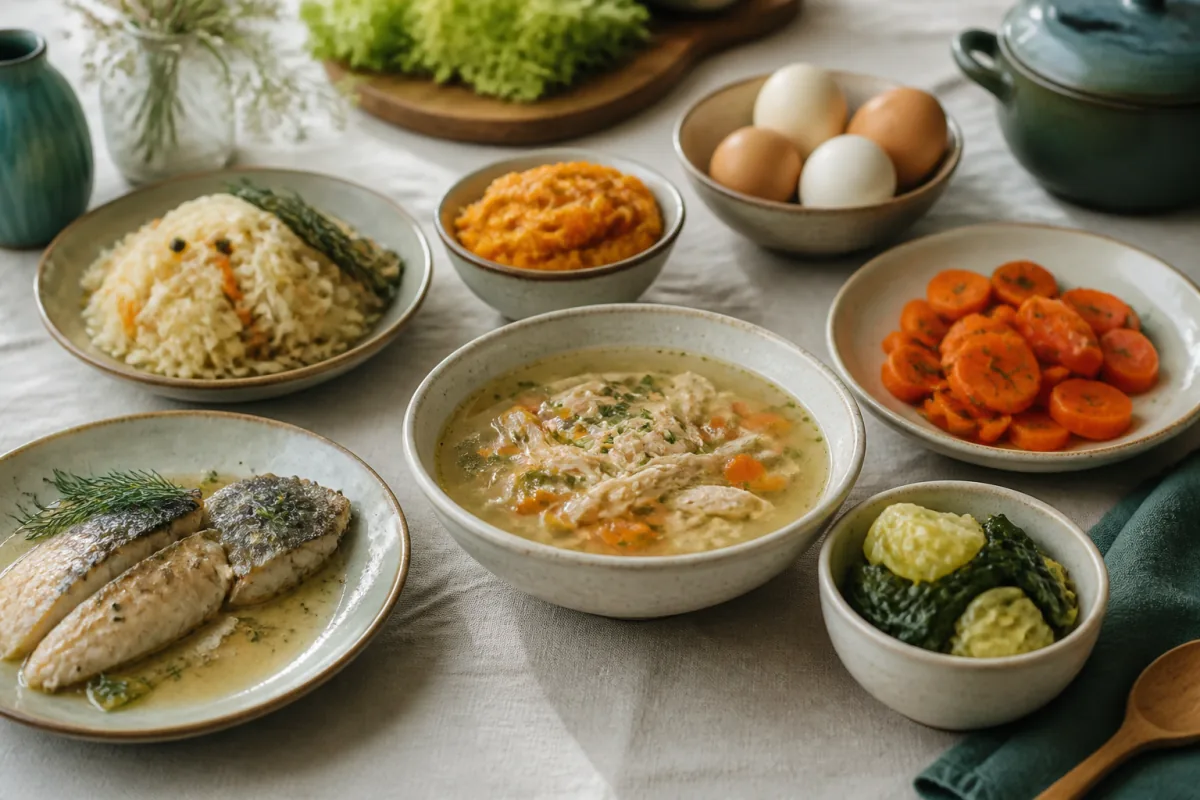
A strict, staged elimination diet built on bone broth and fermented foods, claiming that healing the gut can treat conditions like autism, ADHD and depression. We catalog it honestly: the gut–brain link is a real research area, but GAPS's specific claims are not supported — and it's highly restrictive. We include it for completeness and rarely recommend the full protocol.

A big claim, a thin evidence base
Dr. Natasha Campbell-McBride introduced "Gut and Psychology Syndrome" in 2004. Building on the Specific Carbohydrate Diet, it adds heavy emphasis on bone broth and fermented foods and a very strict, staged "introduction" diet. Its central claim is that healing the gut lining can treat neurological and psychological conditions — autism, ADHD, depression, dyspraxia and more.
Here's the honest part, stated plainly: the gut–brain axis is a genuine and active area of science, but GAPS's specific claims — that this diet treats autism or ADHD — are not supported by quality evidence. It's also highly restrictive, and the broth-heavy intro phase can be nutritionally risky, especially for children.
We include GAPS for completeness and treat it with caution. If there's a real gut issue, we'd reach for an evidence-based plan; we would never present GAPS as a treatment for a child's developmental or behavioural condition.
"We take families' hopes seriously, which is exactly why we're honest: there's no good evidence GAPS treats autism or ADHD. For a genuine gut problem, far better-supported options exist."Honest, even when it's hard
What the research shows
This is one where honesty matters most.
The big claims aren't supported
There is no quality evidence that GAPS treats autism, ADHD, depression or similar conditions. The marketing makes claims the science does not back.
The gut–brain axis exists
Gut health and the brain are connected — a real, exciting research field. But that general truth doesn't validate GAPS or its specific promises.
The elimination effect
Any improvement usually comes from removing processed food and triggers — the same elimination effect seen on other strict diets, not from broth healing the brain.
Restrictive, risky for children
The strict broth-based intro phase is very low in variety and can be nutritionally dangerous, especially for children. It should never replace medical care.
Three things GAPS does
Strict staged elimination
It starts with a very limited "intro" of broths and soft foods, then slowly widens — removing grains, sugar and starch throughout.
Broth & ferments
Bone broth and fermented vegetables are central, on the theory they soothe and reseed the gut — modestly plausible, heavily overstated.
Removes triggers
Like any elimination, it strips out processed food and common irritants — which is where any real short-term benefit comes from.
The GAPS plate
Broth-forward, fermented and grain-free — and very narrow in the early stages.
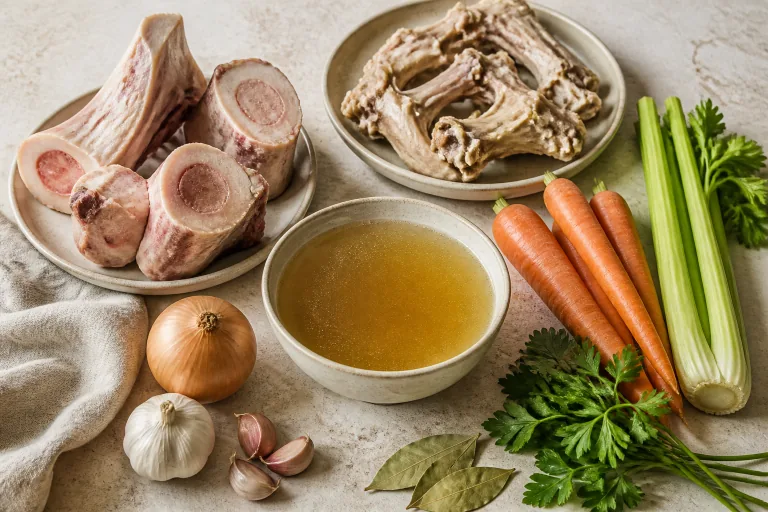
A GAPS day
Shown honestly — note how narrow it is, especially early on.

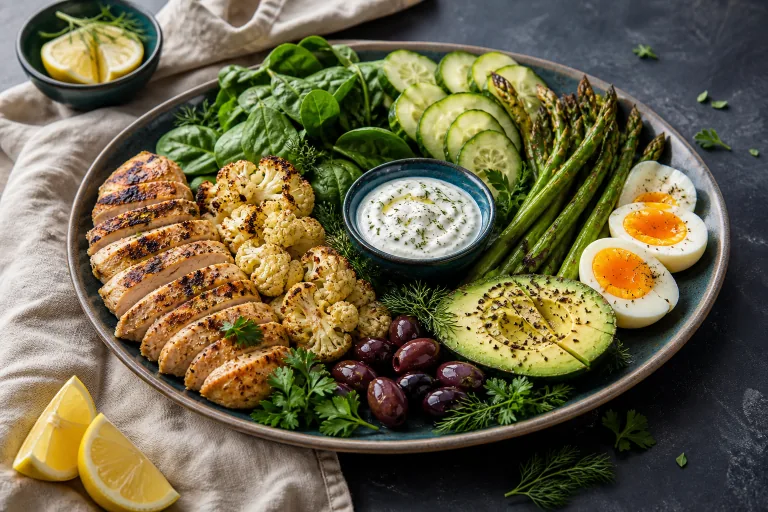
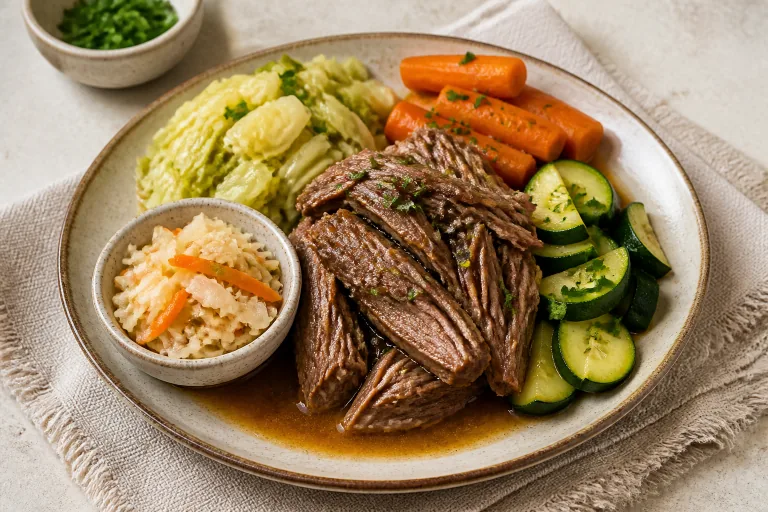
Four GAPS-style recipes
Kept simple and halal. Maryam would rather build you an evidence-based gut plan — shown honestly here.
Who this is for
Perhaps if you…
- Want to try a supervised gut-soothing elimination and understand the brain claims are unproven
- Will do it with a dietitian, short-term, as an adult
- Are drawn to broth and fermented foods as part of a broader plan
Please don't if you…
- Are hoping to treat a child's autism, ADHD or developmental condition — there's no good evidence, and the diet can harm a child's nutrition
- Would use it instead of medical or developmental care
- Have a history of disordered eating
- Can't sustain a very narrow, broth-heavy elimination safely
The diet is the start. You are the rest.
Our most important job here is honesty and safety.
We tell you the truth
We won't sell GAPS as a treatment for autism, ADHD or depression — the evidence isn't there. We'd rather you spend your effort on something that works.
We redirect to evidence
If there's a genuine gut problem, we point you to better-supported plans — Low-FODMAP, supervised SCD — that target your actual symptoms.
We protect children
We will not put a child on a restrictive broth-based elimination expecting it to treat a developmental condition — their nutrition and care come first.
The honest answers
No — there's no quality evidence that it does, and we won't suggest otherwise. We understand the hope behind the question, which is exactly why we're honest: a restrictive diet is not an evidence-based treatment for these conditions, and it can harm a child's nutrition.
Yes — and it's a fascinating, real area of research. But "the gut and brain are connected" is a long way from "this specific diet treats autism." GAPS borrows the credibility of real science to support claims that science hasn't backed.
This is our biggest concern. The strict, broth-heavy phases are very low in variety and can leave a child short on calories and key nutrients. We do not recommend GAPS as a treatment for children's developmental conditions.
Usually the elimination effect — cutting processed food and triggers can ease symptoms short-term. That's worth noticing, but it points to "find your trigger," not "broth heals the brain."
Weak. GAPS rests on a theory and testimonials, not controlled trials. Of the gut diets in this atlas, it's the one we're most cautious about.
It depends on the goal. For IBS, Low-FODMAP; for IBD, supervised SCD alongside your doctor; for general gut health, an anti-inflammatory, fibre-rich diet. All have better evidence than GAPS.
Where this comes from
- BookOrigins. Dr. Natasha Campbell-McBride, Gut and Psychology Syndrome (2004).
- Evidence noteUnsupported claims. No controlled trials support GAPS's claims to treat autism, ADHD or mood disorders. Sathe 2017 (Pediatrics) ↗
- ScienceGut–brain axis. Genuine but general research on gut–brain communication — which does not validate GAPS specifically. Cryan 2019 (Physiol Rev) ↗
- GuidanceSafety. Dietetic warnings about nutritional adequacy of restrictive elimination diets, especially in children. Sathe 2017 (Pediatrics) ↗
Compiled by Nidari Nutrition, June 2026. Pending formal clinical review by Maryam Shabbir, DN. Educational reference — not a substitute for individual medical advice. GAPS is not an evidence-based treatment for developmental or psychiatric conditions.
Looking for real gut help?
Fifteen minutes with a dietitian. Tell us what you're hoping GAPS will fix, and we'll point you to a safer, better-evidenced plan that targets your actual symptoms — honestly, and without false promises.