The Glycemic-Index Diet
Rank carbohydrates by how fast they raise blood glucose, and favour the slow ones. It's a genuinely useful lens — especially for the diabetes so common in our families, where white rice and refined atta are the everyday culprits. We just teach the smarter version: glycemic load and the whole meal, not single-food labels.
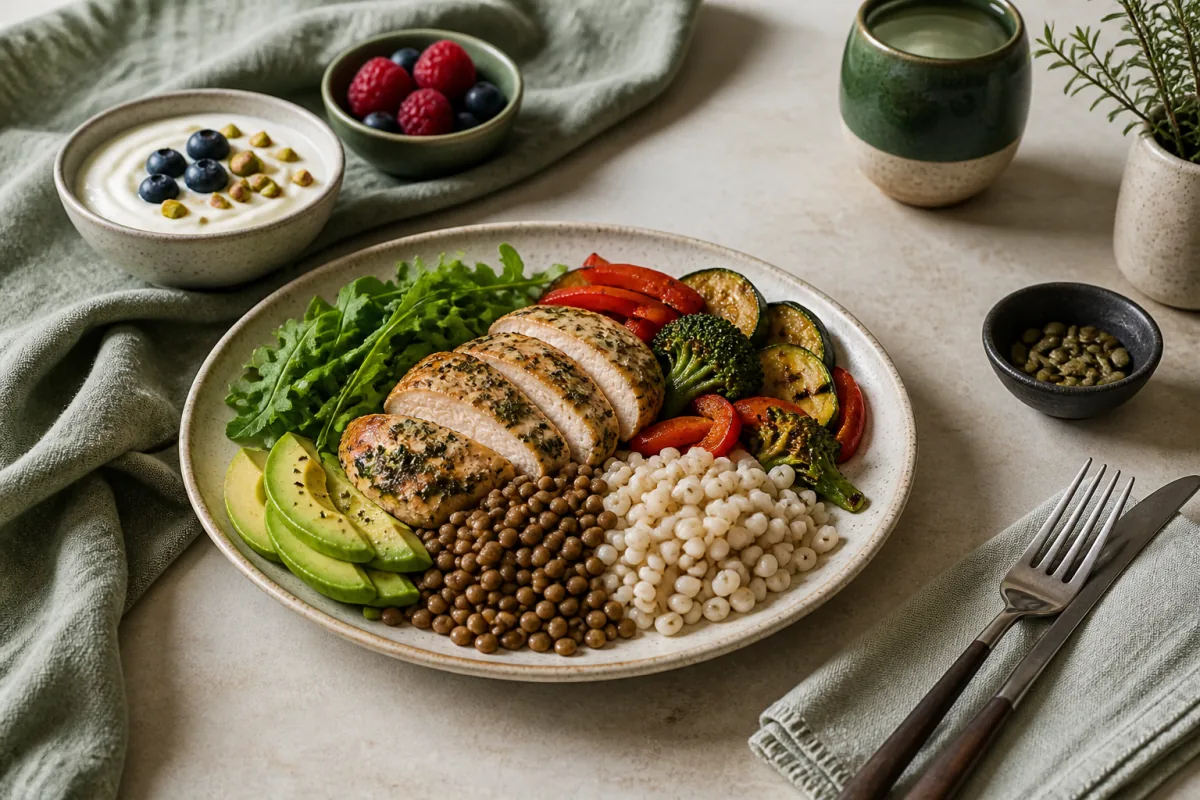

A way to rank carbohydrates
In 1981, Dr. David Jenkins at the University of Toronto created the glycemic index to answer a simple question: not all carbs raise blood sugar equally, so which ones spike it and which release slowly? High-GI foods (white bread, white rice, sugar) cause fast spikes; low-GI foods (legumes, whole grains, most vegetables) release gently.
Favouring low-GI carbs means steadier energy and better glucose control — which is why it matters so much for diabetes, prediabetes and PCOS, all common in South Asian women.
But here's the honesty that most GI diets skip: the index is measured for single foods eaten alone. Real meals mix carbs with protein, fat and fibre, which changes everything. Glycemic load (GI adjusted for portion) and the whole plate are more useful than any food's GI number — and that's how we teach it.
"White rice has a high GI — but rice with dal, vegetables and yogurt behaves very differently from rice alone. We don't chase GI numbers; we build meals that keep your sugar steady."Beyond the number
What the research shows
A useful tool — strongest when you use glycemic load, not just GI.
Better glucose control
Low-GI eating modestly improves blood-sugar control and HbA1c, particularly in people with diabetes — a real, repeatable benefit.
Fuller for longer
Low-GI foods tend to be more filling and steady energy, which can help with weight and reduce the crashes that drive snacking.
GI alone misleads
A food's GI is measured in isolation; portion size (glycemic load) and the rest of the meal matter more. Some healthy foods are high-GI — context is everything.
The staples that spike
White rice and refined atta are high-GI everyday staples in our kitchens. Smart swaps — portioned basmati, dal alongside, whole grains — make a real difference to blood sugar.
Three things low-GI eating does
Slows the rise
Slow-release carbs raise blood sugar gently instead of spiking it, which is easier on insulin and steadier for energy.
Calms insulin
Gentler glucose rises mean smaller insulin surges — central to managing diabetes, prediabetes and the insulin resistance of PCOS.
Pairing blunts spikes
Adding protein, fat and fibre to a carb slows its absorption — which is why dal, yogurt and vegetables alongside rice change the whole picture.
The low-GI plate
Favour slow carbs, pair them well, and watch portions of the fast ones.
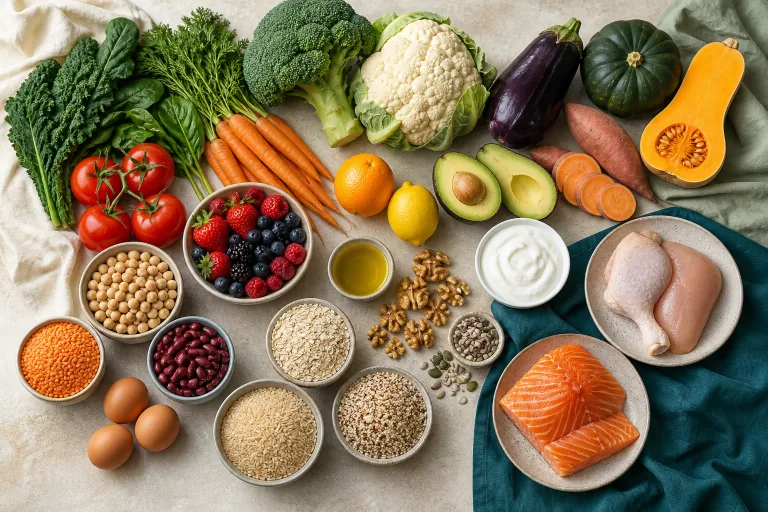
A low-GI day, desi-style
Slow carbs, paired with protein and fibre at every meal.
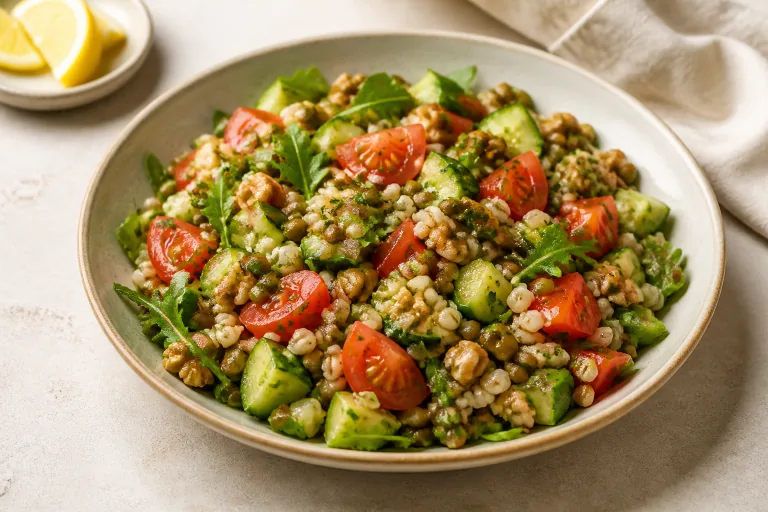
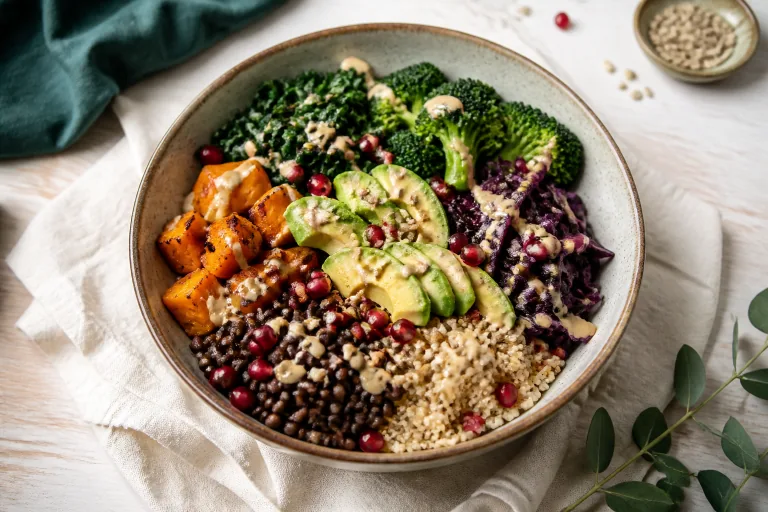
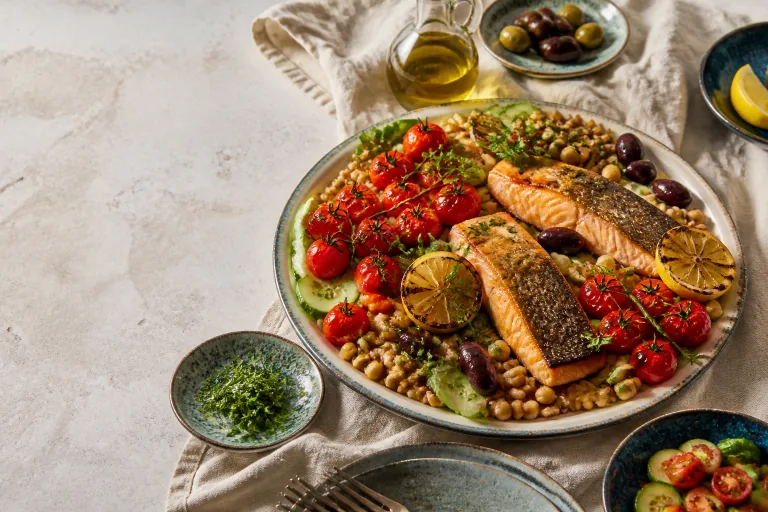
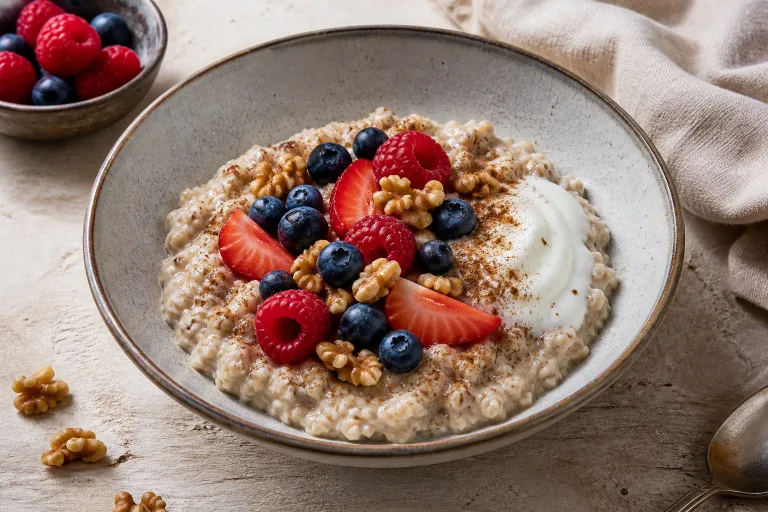
Four blood-sugar-friendly recipes
Low glycemic load, well-paired, fully desi. Maryam tunes it to your glucose or PCOS needs.
Who this is for
A great fit if you…
- Have diabetes, prediabetes, PCOS or insulin resistance
- Want steadier energy and fewer sugar crashes
- Prefer a simple "choose better carbs" lens over strict counting
- Eat a lot of white rice and refined atta you'd like to improve
Keep in mind that…
- A food's GI alone can mislead — portion (glycemic load) and the whole meal matter more
- Some healthy foods are higher-GI (certain fruits) and are still fine in context
- Pairing carbs with protein, fat and fibre changes everything — don't fear the rice, balance the plate
The diet is the start. You are the rest.
We turn a useful-but-imperfect index into meals that actually steady your sugar.
We use load, not just index
We work in glycemic load and whole meals, so you're not afraid of basmati — you just portion it and pair it with dal, vegetables and yogurt.
We swap the desi spikers
The biggest wins are practical: portion the white rice, move toward whole grains, and always add a protein and a fibre to the plate.
We align with your condition
If you have diabetes or PCOS, we fold this into the targeted plans for those — low-GI is the backbone, your numbers set the details.
The honest answers
It's a 0–100 score for how quickly a carbohydrate food raises blood sugar compared to pure glucose. Low-GI foods (dal, whole grains, most vegetables) release slowly; high-GI foods (white bread, white rice, sugar) spike fast.
White rice is high-GI, and large daily amounts are linked to higher diabetes risk in South Asians. But it's not forbidden — a sensible portion of basmati (which is lower-GI than most rice), eaten with dal, vegetables and yogurt, behaves very differently from a big bowl of rice alone.
No — and this is the key point. GI is measured for single foods eaten alone. Glycemic load (which accounts for portion) and the whole meal matter more. We teach you to build balanced plates, not to memorise GI numbers.
Not at all. You portion them, choose lower-GI versions (basmati, wholemeal atta), and always pair them with protein and fibre. The goal is steadier sugar, not a carb-free life.
A lot. Protein, fat and fibre slow how fast carbohydrate is absorbed, flattening the blood-sugar curve. That's exactly why a desi thali — rice with dal, sabzi and raita — is smarter than any single food's GI suggests.
Where this comes from
- ConceptOrigins. Jenkins et al., "Glycemic index of foods" (1981), University of Toronto. Jenkins 1981 (AJCN) ↗
- ReviewsGlucose control. Reviews of low-GI diets improving glycaemic control and HbA1c, especially in diabetes. Chiavaroli 2022 (AJCN) ↗
- AnalysesLoad vs index. Literature showing glycaemic load and mixed-meal context outperform single-food GI. Bao 2011 (AJCN) ↗
- CohortRice & risk. Research linking high white-rice intake to type-2 diabetes risk, notably in South Asian populations. Hu 2012 (BMJ) ↗
Compiled by Nidari Nutrition, June 2026. Pending formal clinical review by Maryam Shabbir, DN. Educational reference — not a substitute for individual medical advice.
Want steadier blood sugar?
Fifteen minutes with a dietitian. We'll teach you glycemic load and plate-building — portion the rice, choose whole grains, pair every carb with protein and fibre — and align it with any diabetes or PCOS care.