The Diabetes Diet
There is no single "diabetes diet" — there's a clinical framework for keeping blood glucose in range, and it can be built from almost any cuisine, including yours. For South-Asian families, where type-2 diabetes runs deep, this may be the most important page in the atlas.
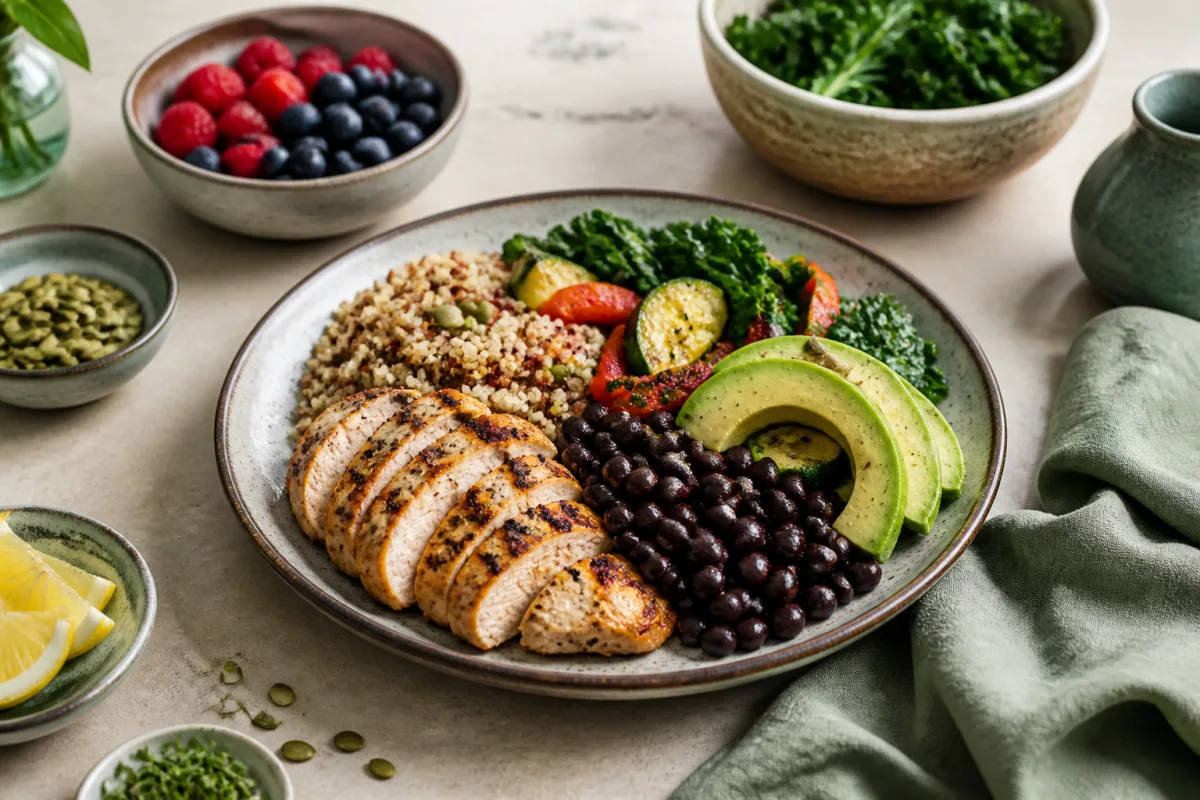

Not a diet — a framework
For most of the 20th century, people with diabetes were handed a single rigid meal plan. Modern diabetes care threw that out. Today the American Diabetes Association and clinicians worldwide agree there is no one diabetes diet — several patterns work (Mediterranean, low-carb, plant-based, DASH), and the right one is the one a person can actually keep.
What they share is the core principle: manage carbohydrate — its amount, its quality, and its timing — because carbohydrate is what raises blood sugar most. Pair it with fibre, protein and healthy fat, lose excess weight if there is any, and glucose steadies.
This matters intensely for our community. South-Asian bodies develop type-2 diabetes earlier and at lower weights than most populations — but the same biology means thoughtful eating moves the needle further, too. And in some people, sustained weight loss can push type-2 diabetes into remission.
"We don't put you on a 'diabetic diet.' We take the food you already eat and make it kind to your blood sugar — roti portioned, dal up front, sugar dialled down."The plate you already own
What the research shows
This is clinical-standard care — among the best-evidenced eating in the whole atlas.
The ADA framework
Carbohydrate management with a balanced plate, fibre and lean protein is the established standard for keeping HbA1c in range. Multiple eating patterns qualify — the ADA endorses Mediterranean, low-carb, DASH and plant-based.
Remission is possible
A structured weight-loss program put nearly half of participants with type-2 diabetes into remission at one year — the more weight lost, the higher the chance. Type-2 diabetes is not always permanent.
Carb quality & the GI
Swapping refined carbs (white rice, maida, sugar) for low-glycemic ones (legumes, whole grains) lowers post-meal glucose and improves long-term control — small daily choices, compounding.
The South-Asian reality
South Asians face higher type-2 diabetes risk at lower BMIs and younger ages — which makes carbohydrate quality, portion and daily movement especially powerful levers for us.
Three things it does for your sugar
Smaller, slower carbs
Right-sizing rice and roti and choosing low-glycemic carbs means a smaller, slower glucose rise after meals — fewer spikes, less work for a struggling pancreas.
Fibre, protein & fat first
Dal, vegetables, yogurt and good fats alongside carbs blunt the sugar rise. Order matters too — vegetables and protein before the rice flattens the curve.
Weight off the middle
Losing even modest weight — especially visceral fat — restores insulin sensitivity, and for some can drive type-2 diabetes into remission.
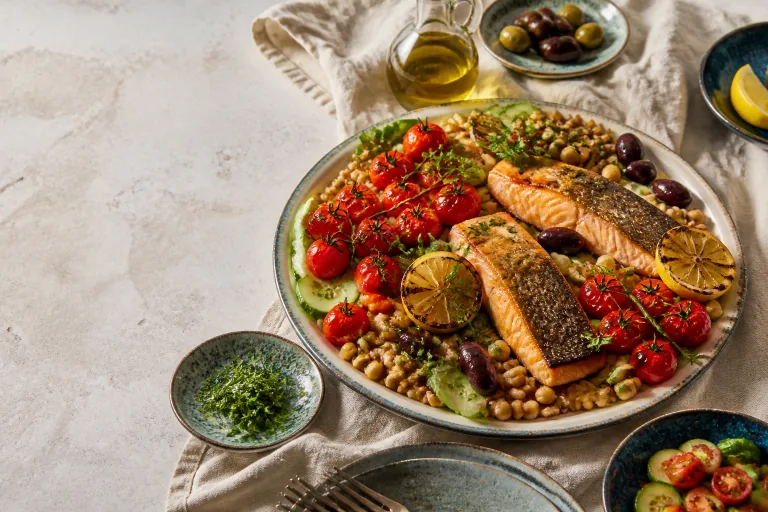
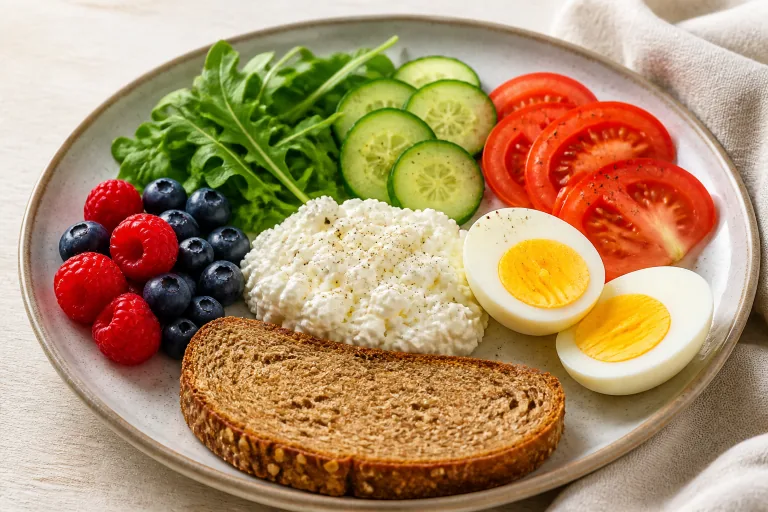
The blood-sugar-friendly plate
Half non-starchy vegetables, a quarter protein, a quarter smart carbs — desi-style.
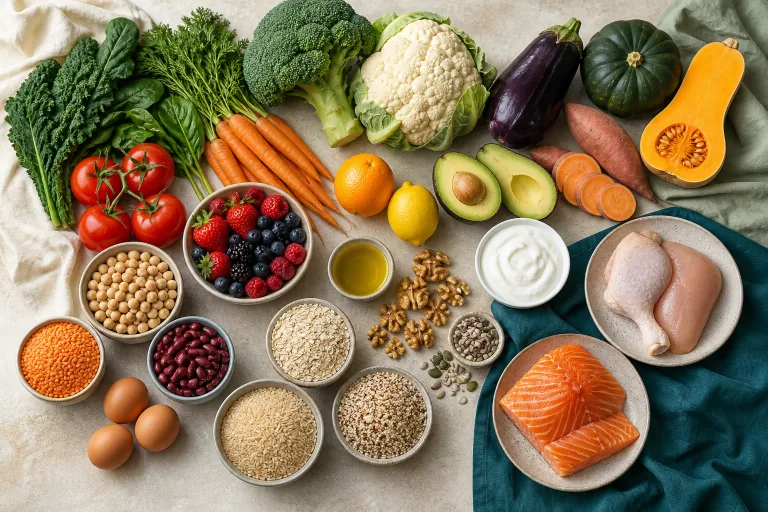
A steady-sugar day
Familiar desi meals, re-ordered and re-portioned so your glucose stays level.
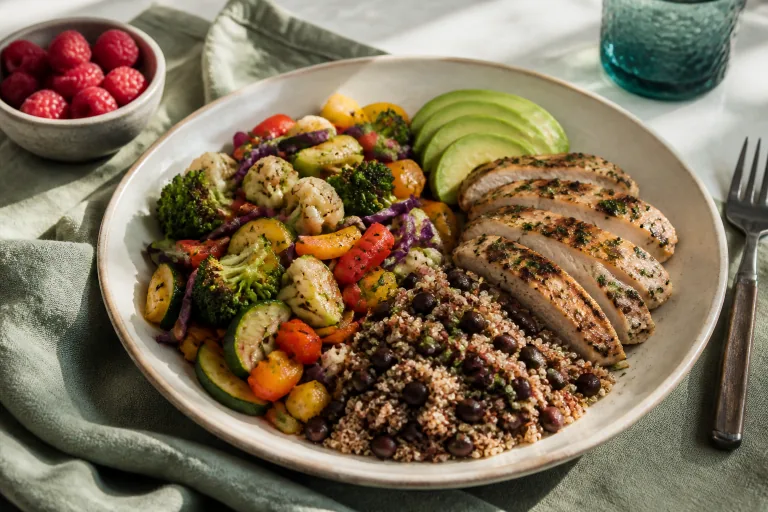
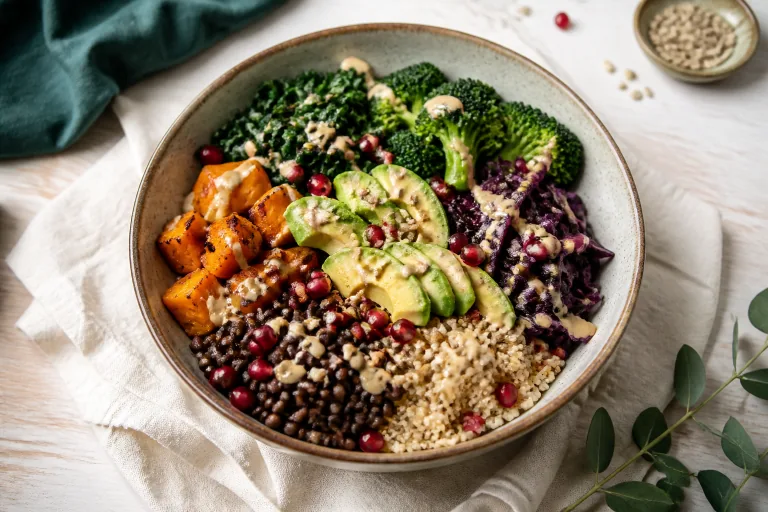
Four blood-sugar-friendly recipes
Low-glycemic, halal, and desi. Maryam tailors carb portions to your numbers and your meds.
Who this is for
Essential if you…
- Have type-2 diabetes or prediabetes
- Have a strong family history (very common in our community)
- Had gestational diabetes — your future risk is higher
- Have PCOS with insulin resistance
Work with us carefully if you…
- Take insulin or sulfonylureas — meals and meds must be matched to avoid hypos
- Want to fast in Ramadan with diabetes — this needs a specific, safe plan
- Have type-1 diabetes — carb-counting is essential and clinician-led
- Have advanced kidney complications — protein/potassium need tailoring
The framework is the start. You are the rest.
Generic "diabetic diet" sheets fail because they aren't your food. We start from your kitchen.
We portion your carbs
We don't ban rice and roti — we measure them, pair them with protein and fibre, and teach you the eating order that flattens your spikes. Your meals, made glucose-friendly.
We match your medication
If you're on insulin or tablets, food and medicine have to move together. We coordinate with your doctor so you avoid both highs and dangerous lows — including a safe plan for Ramadan.
We aim for remission where we can
For many with early type-2 diabetes, structured weight loss can put it into remission. Where that's realistic for you, we build toward it — gently and sustainably.
The honest answers
Type-2 diabetes can go into remission — normal blood sugar without medication — and the DiRECT trial showed structured weight loss achieved this for nearly half of participants at one year. It's not guaranteed, it's most likely early and with meaningful weight loss, and it can return. But "permanent" is no longer the only story, and that's worth fighting for.
No. You portion them, choose better versions (wholemeal roti, brown or even cooled basmati rice), and — crucially — eat your vegetables and protein first. It's the load and the order, not a lifelong ban.
Whole fruit is fine and good — the fibre slows the sugar. Juice is the problem (the fibre's gone). Pair fruit with nuts or yogurt, favour berries, guava, apple and pear, and enjoy it.
Many people can, but it must be planned with your doctor and dietitian, especially on insulin or sulfonylureas, because fasting can cause dangerous lows. We build a safe suhoor/iftar plan and monitoring approach — never improvise it.
Yes — gestational diabetes raises your lifetime type-2 risk significantly, so this is exactly the time to eat preventively. The good news: doing so now can substantially lower that risk.
Carefully. "Sugar-free" mithai often still has flour, ghee and carbs that raise glucose, and sugar alcohols can upset the stomach. Better to have a small portion of the real thing occasionally, planned into your day, than to over-trust a label.
Where this comes from
- GuidelinesClinical standard. American Diabetes Association, Standards of Medical Care in Diabetes (updated annually) — nutrition therapy and the "no single diet" position. ADA 2019 Nutrition Consensus ↗
- Randomized trialRemission. Lean MEJ, et al. Primary care-led weight management for remission of type 2 diabetes (DiRECT). Lancet 2018;391:541–551. Lean 2018 (DiRECT, Lancet) ↗
- InterventionsCarb quality. Glycemic-index and whole-grain trials linking lower-GI carbohydrate to improved post-meal glucose and HbA1c. Ojo 2018 (Nutrients) ↗
- EpidemiologySouth-Asian risk. Cohort and migration studies on earlier-onset, lower-BMI type-2 diabetes in South-Asian populations.
Compiled by Nidari Nutrition, June 2026. Pending formal clinical review by Maryam Shabbir, DN. Educational reference — not a substitute for individual medical advice. Never change diabetes medication or fast without your physician.
Ready to take back your blood sugar?
Fifteen minutes with a dietitian. We'll show you how to keep your own food and still steady your sugar — and where remission is realistic, we'll build toward it. Halal, desi, alongside your doctor.