The Gluten-Free Diet
For people with celiac disease or gluten sensitivity, strictly removing wheat, barley and rye is genuine, necessary medicine. For everyone else, going gluten-free is not automatically healthier. The good news for us: rice, besan and millets make desi cooking naturally gluten-friendly — the trap is hidden gluten.
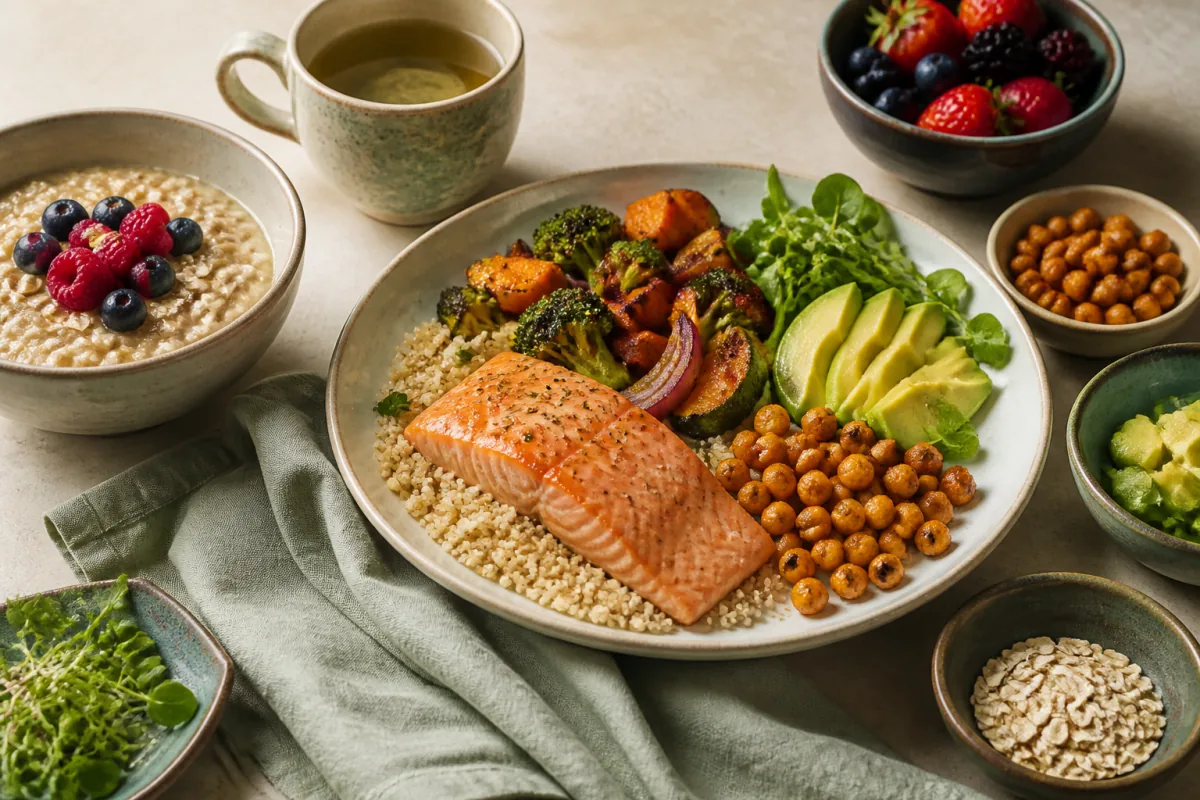
Medicine for a real disease
Dutch paediatrician Willem-Karel Dicke linked wheat to celiac disease in the 1940s, after noticing children with the illness improved when bread was scarce during wartime. For people with celiac — an autoimmune reaction where gluten damages the small intestine — strictly avoiding wheat, barley and rye is the only treatment, and it works.
A smaller group has non-celiac gluten sensitivity — real symptoms without the autoimmune damage. For them, reducing gluten can genuinely help.
The honest part: for the vast majority who have neither, going gluten-free brings no proven benefit — and "gluten-free" packaged foods are often more processed, lower in fibre and pricier. The encouraging news for our community: rice, besan, jowar and bajra make South Asian cooking naturally gluten-friendly. The real work is spotting hidden gluten — including in hing (asafoetida), which is often wheat-based.
"If you have celiac, gluten-free is non-negotiable medicine. If you don't, it isn't automatically healthier — and a desi kitchen of rice, dal and millets is already most of the way there."Medicine, not a trend
What the research shows
Essential for some, unnecessary for most — and clear on which is which.
The only treatment
For celiac disease, a strict gluten-free diet is the sole effective treatment — it heals the gut lining and prevents serious long-term complications. Non-negotiable and lifelong.
Helps some without celiac
A genuine subset get symptom relief from reducing gluten without having celiac — though diagnosis is tricky, and celiac must be ruled out first.
Not healthier for everyone
For people without celiac or sensitivity, there's no proven health benefit to going gluten-free — and it can lower fibre and cost more if you lean on processed GF products.
Hidden gluten is the trap
The hard part isn't the staples — rice, besan and millets are naturally GF — it's hidden gluten: atta, some hing (asafoetida), sauces, spice blends, and cross-contamination.
Three things to understand
Removes the trigger
In celiac, gluten provokes an immune attack on the gut. Removing it stops the damage and lets the intestine heal.
Test before you cut
Celiac testing needs gluten in your system to be accurate — so get tested before going gluten-free, not after.
Replace, don't just remove
Dropping wheat can cut fibre and B-vitamins. The goal is to replace it with naturally GF whole foods, not GF junk.
The gluten-free plate
Most of a desi kitchen already qualifies — with a few watch-outs.
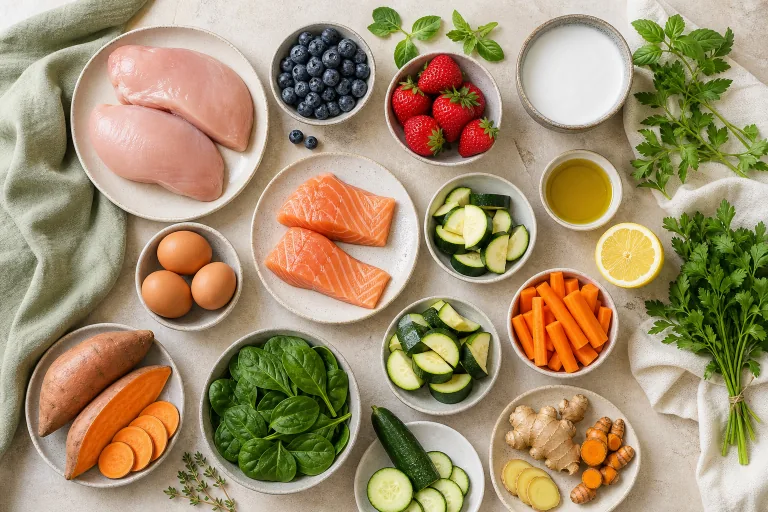
A gluten-free day, desi-style
Built on rice, besan and millets — naturally, deliciously gluten-free.
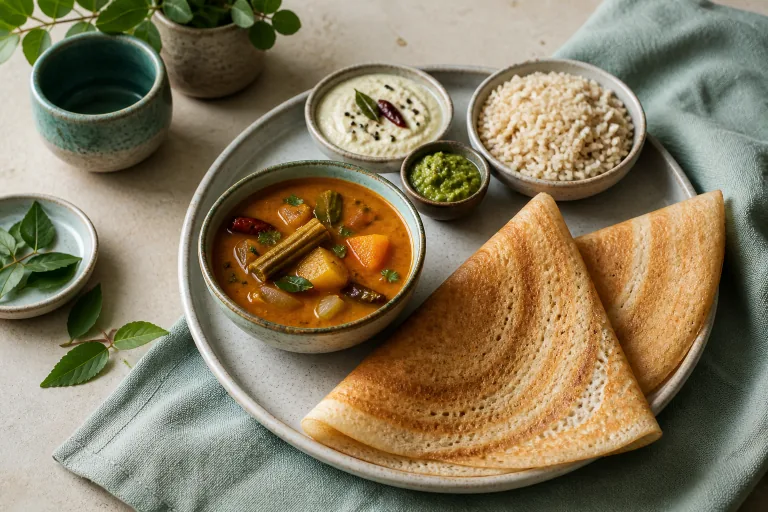
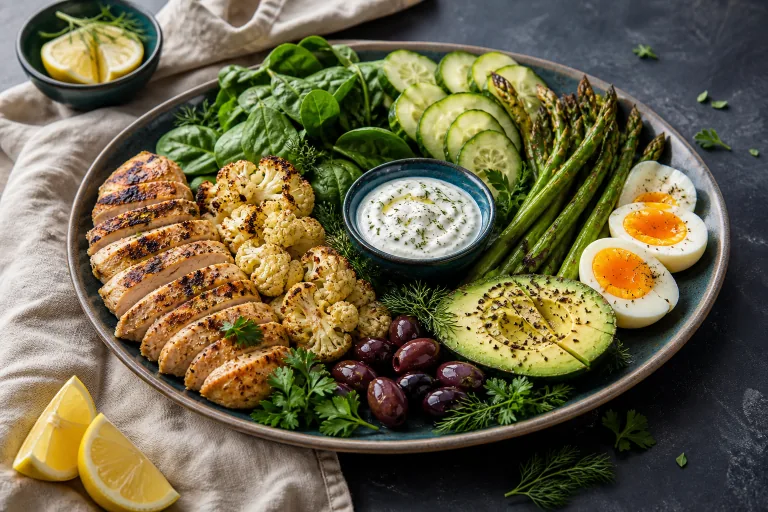
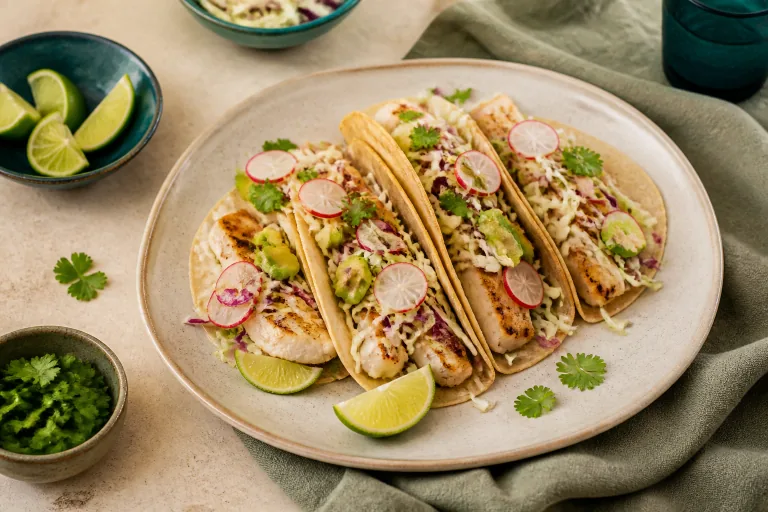
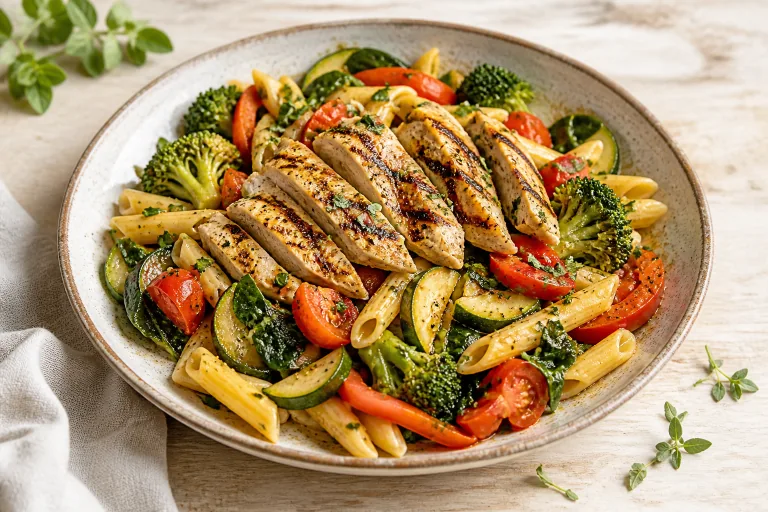
Four naturally gluten-free recipes
No special products needed. Maryam checks for hidden gluten and keeps your fibre up.
Who this is for
Essential if you…
- Have diagnosed celiac disease — strict and lifelong, no exceptions
- Have confirmed non-celiac gluten sensitivity
- React clearly to wheat (after celiac has been ruled out by testing)
- Need to avoid cross-contamination for the above reasons
Not for you if…
- You don't have celiac or sensitivity — there's no proven benefit, and possible downsides (less fibre, more cost)
- You haven't been tested — get tested before cutting gluten, or the test won't be accurate
- You'd replace wheat with processed "gluten-free" junk rather than whole foods
The diet is the start. You are the rest.
For a desi kitchen, gluten-free is more about vigilance than substitution.
We build on naturally GF staples
Rice, besan, jowar, bajra, dal and vegetables — a full, varied diet with no need for expensive processed gluten-free products.
We hunt the hidden gluten
Atta, some hing (asafoetida), soy sauce, ready spice blends and shared cooking surfaces — the sneaky sources celiac requires you to catch.
We protect fibre & nutrients
Cutting wheat can lower fibre and B-vitamins. We keep millets, legumes and vegetables central so the diet stays nourishing.
The honest answers
To need it medically, yes — celiac disease or confirmed gluten sensitivity. If you have neither, there's no proven benefit. If you suspect a problem, see your doctor and get tested before cutting gluten.
No — that's a common myth. For people without celiac or sensitivity, gluten-free isn't healthier, and processed gluten-free foods are often lower in fibre and higher in sugar and cost. "Naturally gluten-free whole foods" is a different, healthier thing.
Watch atta and suji (wheat), some brands of hing (asafoetida) which use wheat as a base, soy sauce, ready-made spice mixes, and cross-contamination from shared frying oil or surfaces. For celiac, these details genuinely matter.
Much of it is — rice, dal, besan dishes, millet rotis, vegetable curries. The main glutenous item is wheat atta (regular roti, naan, paratha). Swap to millet rotis and you've covered the biggest source.
Yes — this is important. Celiac blood tests and biopsies need gluten in your diet to be accurate. If you cut gluten first, you may get a false negative and never get a proper diagnosis. Test, then change.
Besan (gram/chickpea flour) is naturally gluten-free. Atta is wheat flour, so it contains gluten — that's the one to replace, with millet flours or besan, if you're celiac.
Where this comes from
- HistoryOrigins. Willem-Karel Dicke's 1940s identification of the wheat–celiac link. van Berge 1993 (Gut) ↗
- GuidelinesCeliac treatment. Clinical guidance establishing a strict gluten-free diet as the only treatment for celiac disease. Rubio-Tapia 2013 (ACG) ↗
- ResearchSensitivity & general use. Studies on non-celiac gluten sensitivity, and the lack of benefit of gluten-free diets in the general population. Catassi 2015 (NCGS) ↗
- GuidanceHidden gluten. Resources on hidden gluten sources, cross-contamination and accurate celiac testing.
Compiled by Nidari Nutrition, June 2026. Pending formal clinical review by Maryam Shabbir, DN. Educational reference — not a substitute for individual medical advice. Get tested for celiac before going gluten-free.
Navigating gluten-free?
Fifteen minutes with a dietitian. We'll build a varied gluten-free plan on rice, besan and millets, hunt down the hidden gluten (yes, even in your hing), and keep your fibre and nutrients where they should be.