Okinawan
A sweet-potato-based, plant-heavy diet from one of the world’s longevity hotspots.
Compiled by Nidari Nutrition from the Atlas dataset · pending clinical review by Maryam Shabbir, DN.
This is an Atlas entry — a short reference overview, not one of our long-form diet guides. Educational, not medical advice; personalized and clinically reviewed at your consult.
What is Okinawan?
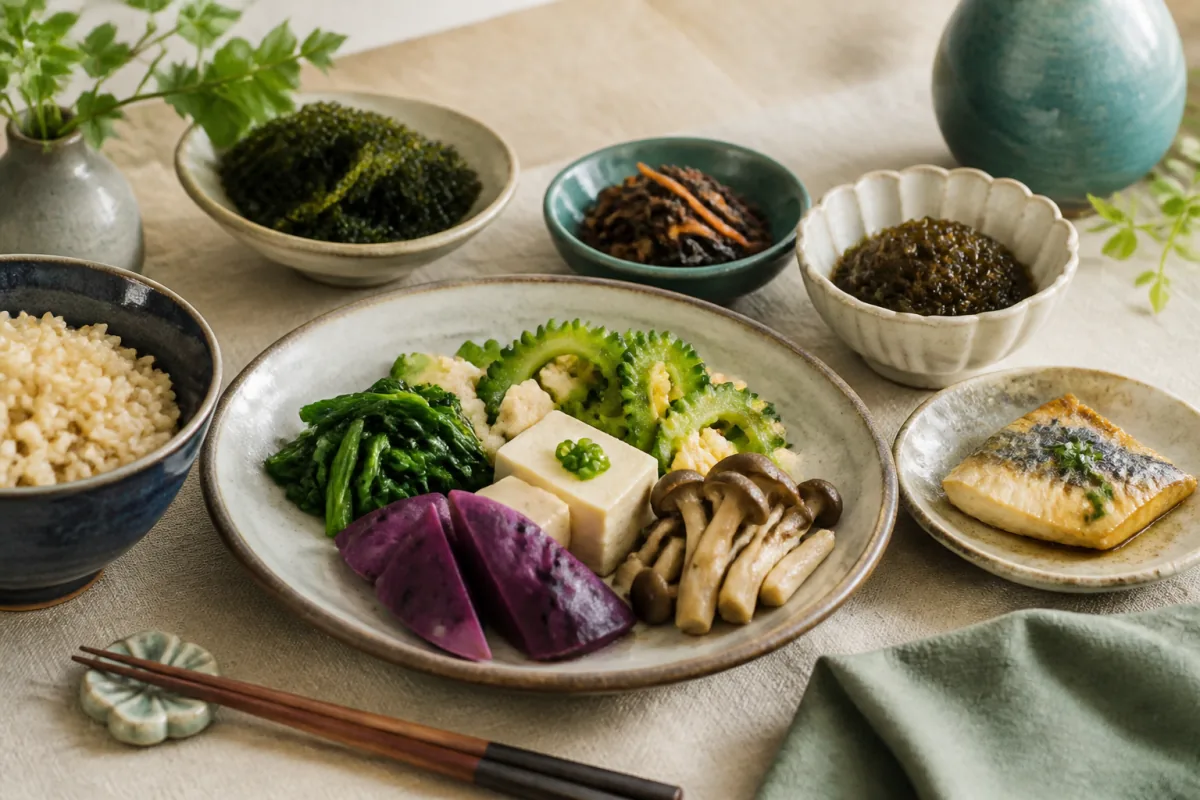
Okinawan is a cultural and regional way of eating from Okinawa, Japan. Nidari rates it moderate to keep up day to day, and rates the weight of peer-reviewed evidence behind its main claims as moderate.
Family: Cultural & Regional · Origin: Okinawa, Japan · Era: Traditional · Difficulty: Moderate · Evidence rating: Moderate evidence

Where does Okinawan come from?
The traditional diet of Okinawa — a Blue Zone — is low in calories and rich in purple sweet potato, vegetables, soy and modest fish. Paired with the hara hachi bu habit of eating to 80% full.
Originator: Okinawan island tradition · Region: Okinawa, Japan · Era: Traditional · Atlas map pin: 26.34° N, 127.80° E
How does Okinawan work?
- Sweet potato as a staple
- Mostly plants & soy
- Modest fish, little meat
- Eat to 80% full (hara hachi bu)
What do you eat on Okinawan?
✓ Eat freely
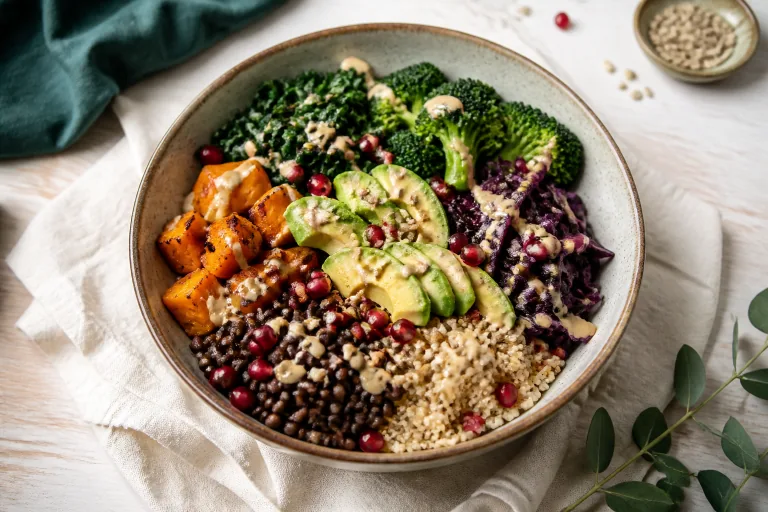
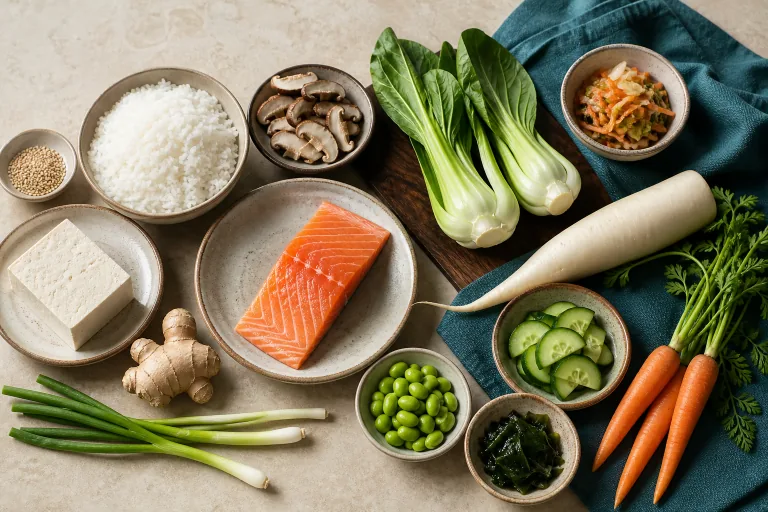
- Purple sweet potato
- Vegetables, soy, seaweed
- Fish, green tea
✕ Limit or avoid
- Excess calories
- Heavy meat & dairy
- Processed food
Who is Okinawan for?
The goals this pattern is most often used for. In a consult we confirm whether it actually fits your body and life.
Is there good evidence that Okinawan works?
Nidari rates the evidence behind Okinawan’s primary claims as moderate — that is the current weight of peer-reviewed research for those claims, and nothing more.
How does Nidari adapt Okinawan?
We borrow its eat-to-80%-full discipline and sweet-potato-and-vegetable base — simple habits that travel well to any kitchen.
Book a free 15-minute intro callReady to discuss Okinawan?
Fifteen minutes with one of our dietitians. We’ll tell you honestly whether Okinawan fits you — or point you to the diet that does. Halal and home-kitchen ready. No pressure.