The Paleo Diet
Eat like our pre-farming ancestors: whole foods, no grains, no dairy, no sugar. The whole-food backbone is genuinely sound. The strict ban on all grains and legumes is far more contested than its marketing — and in a kitchen built on dal and roti, it's worth questioning before you commit.

The caveman premise
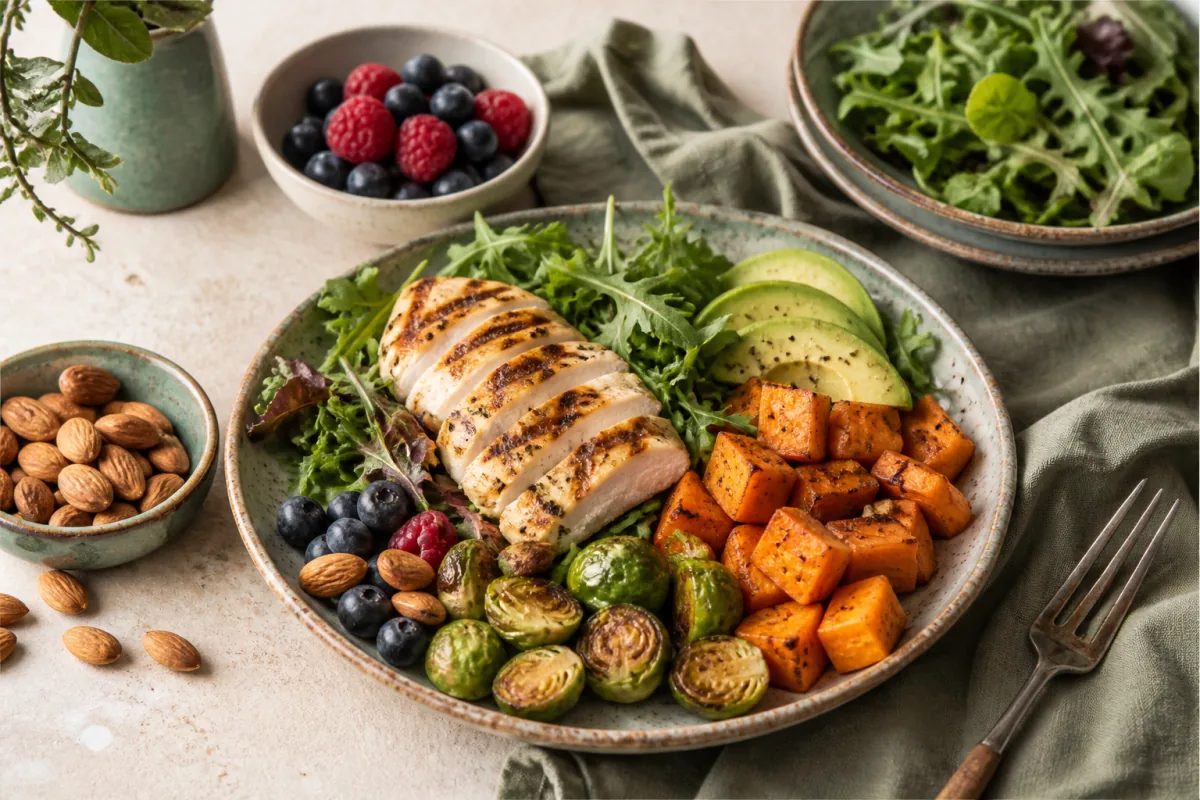
The idea traces to a 1985 paper by S. Boyd Eaton and was popularised by Loren Cordain in 2002. The premise: our bodies evolved for pre-agricultural foods, so we should eat meat, fish, vegetables, fruit and nuts — and skip the grains, legumes, dairy and sugar that arrived with farming.
Here's the honest read. The instinct to cut ultra-processed food and added sugar is excellent, and most people who try paleo feel better largely because of that. But the deeper claim — that grains, legumes and dairy are inherently harmful — doesn't hold up well. Humans have eaten and adapted to these foods for thousands of years, and legumes and whole grains are linked to better health, not worse.
For our community there's a specific cost: paleo bans dal, chana and rajma — nutritional anchors and cultural staples — and all dairy, including yogurt. That's a real loss we don't wave away.
"Keep what paleo gets right — less sugar, less processed food, more whole ingredients — and question what it gets wrong. We rarely think giving up dal is a win."The good idea, minus the dogma
What the research shows
Some real short-term wins — and some claims the evidence doesn't support.
Short-term weight & sugar
Small, short studies show paleo can produce weight loss and better blood-sugar and triglyceride numbers — genuine, but measured over weeks to months, not years.
It's the processed food
The benefits track most closely with cutting sugar and ultra-processed food — something you can achieve without banning lentils and whole grains. That's the part worth keeping.
The legume problem
Paleo bans legumes — yet beans and lentils are among the foods most consistently linked to lower mortality and better metabolic health. Removing them is a cost the diet rarely acknowledges.
Long-term & saturated fat
There's little long-term data, and a meat-heavy paleo plate can be high in saturated fat and low in fibre and calcium once grains, legumes and dairy are gone.
Three things paleo does
Cuts sugar & refined carbs
By removing sugar, white flour and processed snacks, paleo strips out the foods most tied to weight gain and blood-sugar spikes — its single biggest real benefit.
More protein, more satiety
A plate centred on meat, fish, eggs and vegetables is filling and protein-rich, which naturally curbs appetite and snacking for many people.
Whole foods, full stop
Whatever you think of the bans, paleo pushes you toward unprocessed, home-cooked food — and that alone improves most modern diets.
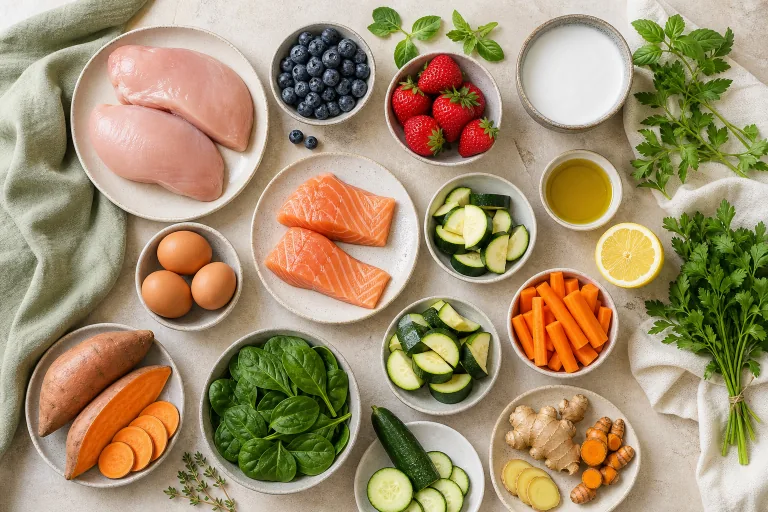
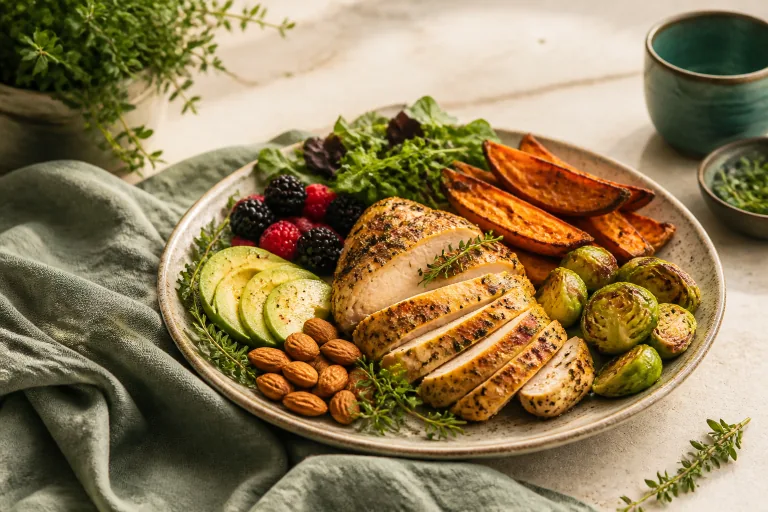
The paleo plate
Whole, unprocessed foods — with the controversial exclusions named plainly.
A paleo day, desi-style
Familiar flavours, rebuilt around meat, eggs and vegetables instead of grains.
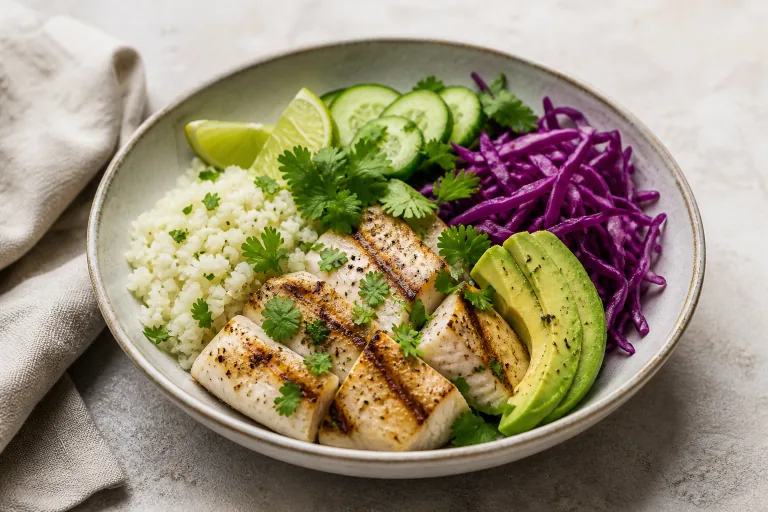
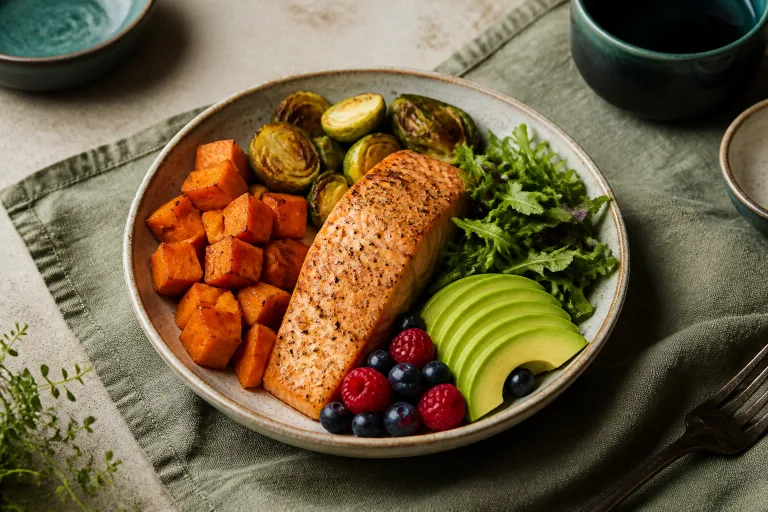

Four paleo-friendly desi recipes
Grain-, legume- and dairy-free — and still full of flavour. Maryam keeps fibre and calcium covered.
Who this is for
A fit if you…
- Want a clean break from sugar and ultra-processed food
- Like a protein-and-vegetable way of eating and don't lean on grains
- Are using it as a short reset rather than a forever diet
- Have easy access to good halal meat, fish and produce
Reconsider if you…
- Rely on dal, chana and rajma — banning them removes proven, affordable nutrition
- Need dairy for calcium, or are vegetarian (paleo is very hard without meat)
- Are on a budget — a meat-heavy plate is expensive
- Want a sustainable, evidence-backed forever diet — the long-term data is thin
The diet is the start. You are the rest.
We keep what paleo gets right and are honest about what it gets wrong.
We keep the real win
Less sugar, less ultra-processed food, more home-cooked whole ingredients — that's the part of paleo worth keeping, and we build your plan around it.
We question the bans
We'll talk honestly about whether banning dal and dairy serves you. For most of our clients, keeping lentils and yogurt is healthier, cheaper and more sustainable.
We cover fibre & calcium
If you do go strict paleo, we deliberately build in fibre from vegetables, nuts and seeds, and calcium without dairy — and watch the saturated fat on a meat-heavy plate.
The honest answers
Parts of it, yes. Cutting sugar and ultra-processed food and cooking whole ingredients is genuinely good, and short studies show weight and blood-sugar benefits. But the evidence that grains, legumes and dairy are harmful is weak — so we keep the good half and question the rest.
The reasoning is that these are "post-agricultural" foods. But humans have eaten them for thousands of years, and lentils and whole grains are linked to better health and longer life, not worse. We rarely see a good reason to give up dal, and we'll tell you so.
It tends to be lower-carb because grains and legumes are out, but it's defined by food type (pre-agricultural) rather than carb counting. It's less strict than keto and allows fruit, which keto limits.
Only with care — these are exactly the gaps strict paleo creates. Fibre has to come from plenty of vegetables, nuts and seeds, and calcium from leafy greens, fish with bones and nuts. If we can't cover them comfortably, that's an argument for relaxing the bans.
Honestly, it's very hard — paleo removes legumes, grains and dairy, which are exactly the proteins vegetarians rely on, leaving little but eggs, nuts and vegetables. For most vegetarians a plant-forward whole-food plan is far more workable.
Short-term, it can help both — mostly by cutting sugar and refined carbs. Whether it beats a balanced whole-food diet long-term isn't established. For diabetes we'd usually align it with the carb-aware structure in our metabolic and diabetes guidance.
Where this comes from
- ConceptOrigins. Eaton & Konner (1985) "Paleolithic Nutrition"; Loren Cordain, The Paleo Diet (2002). Eaton & Konner 1985 (NEJM) ↗
- Short RCTsShort-term effects. Small randomised trials showing weight, glycaemic and lipid improvements over weeks to months. Jamka 2020 (J Clin Med) ↗
- CohortThe legume counterpoint. Studies linking legume and whole-grain intake to lower mortality and better cardiometabolic health. Legume & mortality MA ↗
- ReviewsCaveats. Reviews noting limited long-term data and risks to fibre, calcium and saturated-fat intake on strict paleo. Paleo lacks evidence (MJA) ↗
Compiled by Nidari Nutrition, June 2026. Pending formal clinical review by Maryam Shabbir, DN. Educational reference — not a substitute for individual medical advice.
Curious about paleo, honestly?
Fifteen minutes with a dietitian. We'll keep what paleo gets right — less sugar, more whole food — and talk frankly about whether giving up dal and dairy actually serves your health and your life.