The TLC Diet
Therapeutic Lifestyle Changes — a clinically designed program from the US National Institutes of Health to lower LDL cholesterol: less saturated fat, more soluble fibre, plant sterols, and weight and activity goals. Unflashy, mainstream, and genuinely effective.
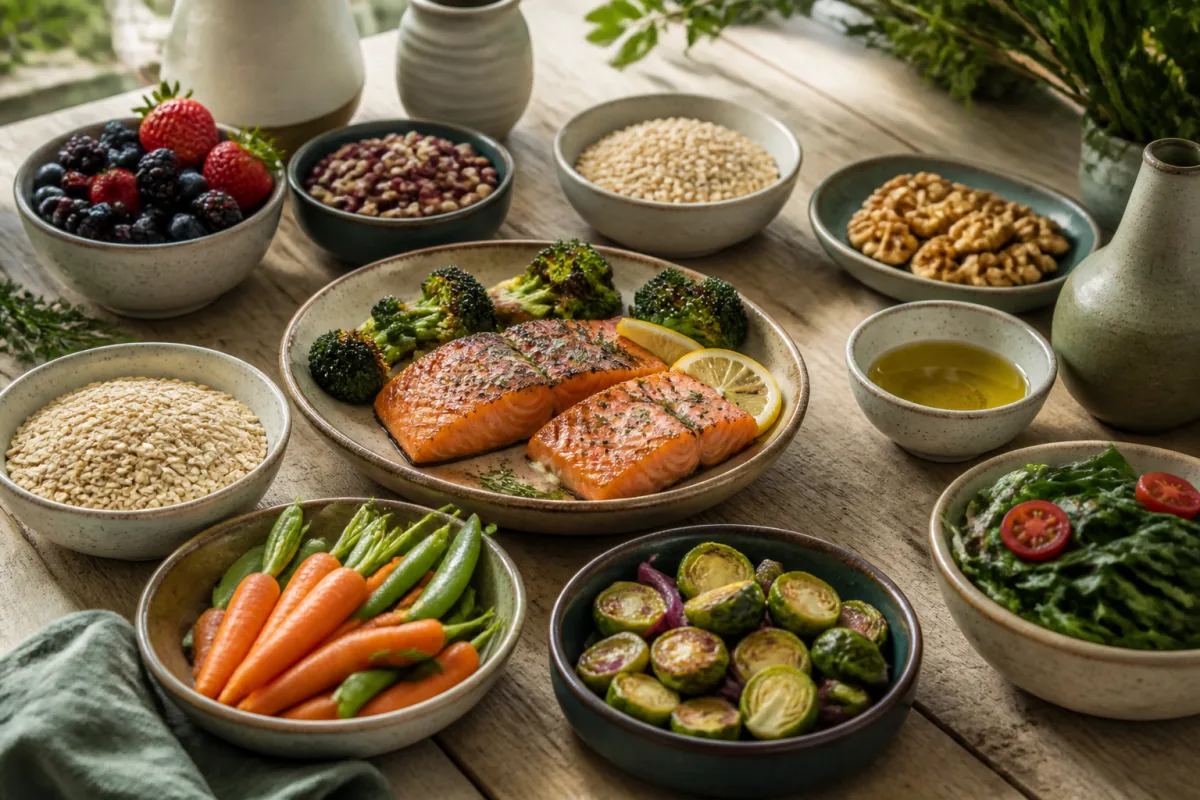

The cholesterol guideline's diet arm
TLC was published in 2001 by the US National Cholesterol Education Program, part of the NIH, as the dietary arm of the national cholesterol guidelines. It isn't a brand or a trend — it's the official "try this first" plan a doctor reaches for when your LDL is high.
The targets are specific: keep saturated fat under about 7% of calories, dietary cholesterol low, add 10–25g of soluble fibre and around 2g of plant sterols a day, and pair it with weight management and activity.
For a South Asian kitchen, the saturated-fat target points straight at ghee and full-cream dairy — and the fixes are familiar: oats, beans, fish and vegetable oils. It's one of the most evidence-backed diets in the whole atlas.
"TLC isn't exciting — and that's the point. It's the boring, proven plan that lowers LDL. We just translate its targets into ghee-and-cream swaps that fit how you actually cook."Proven, not flashy
What the research shows
Strong and mainstream — with one honest line about when diet isn't enough.
LDL lowering
Followed properly, TLC can lower LDL cholesterol by roughly 10–15% — more when soluble fibre and plant sterols are fully used. It's a cornerstone of cholesterol guidelines.
Fibre & sterols work
Each lever is independently proven: soluble fibre (oats, beans, psyllium) binds cholesterol, and plant sterols block its absorption — together they add meaningfully to the saturated-fat cut.
Saturated fat & LDL
Replacing saturated fat (ghee, fatty meat, full-cream dairy) with unsaturated fats and whole foods reliably lowers LDL — among the best-established facts in nutrition.
Sometimes diet isn't enough
If your LDL is very high or genetic (familial hypercholesterolaemia), diet helps but may not be sufficient. Don't stop prescribed statins — TLC works alongside medical care, not instead of it.
Three things TLC does
Cuts saturated fat
Less ghee, fatty meat and full-cream dairy means the liver makes less LDL — the single biggest dietary lever on cholesterol.
Adds soluble fibre
Oats, beans, psyllium and fruit bind bile acids in the gut, pulling cholesterol out with them.
Blocks absorption
Plant sterols (in fortified foods, nuts and seeds) compete with cholesterol for absorption, lowering how much enters your blood.
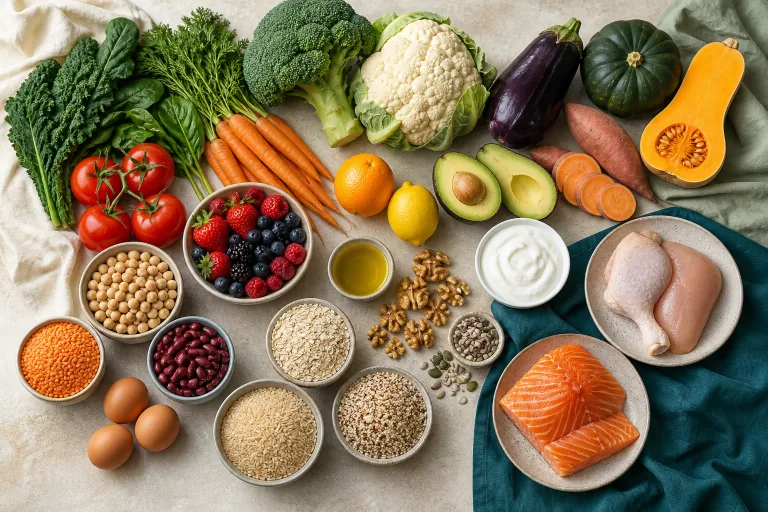
The TLC plate
Soluble fibre and good fats in; saturated fat out.
A TLC day, desi-style
Soluble fibre at every meal, ghee and cream dialled down.
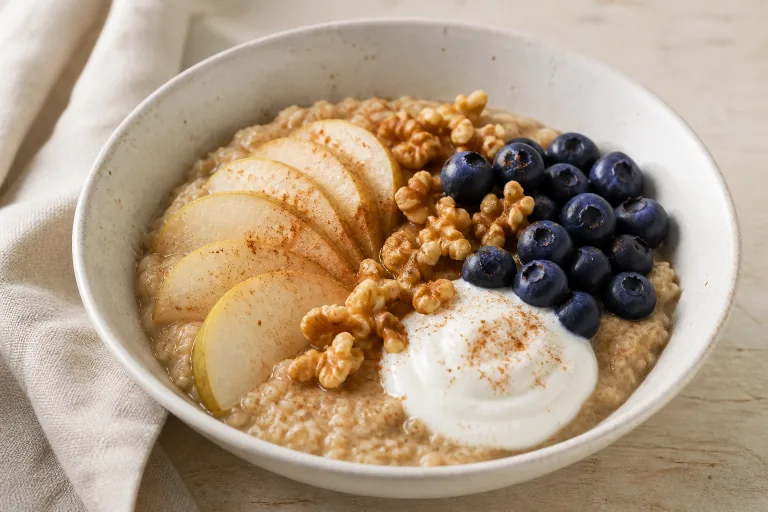
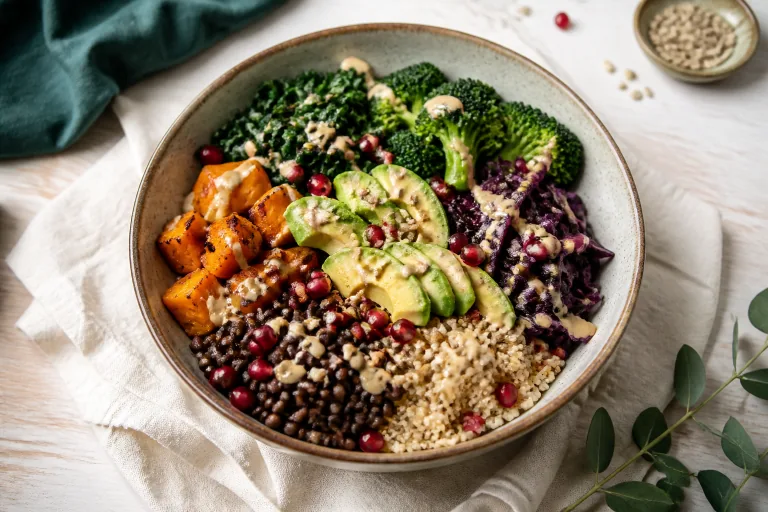
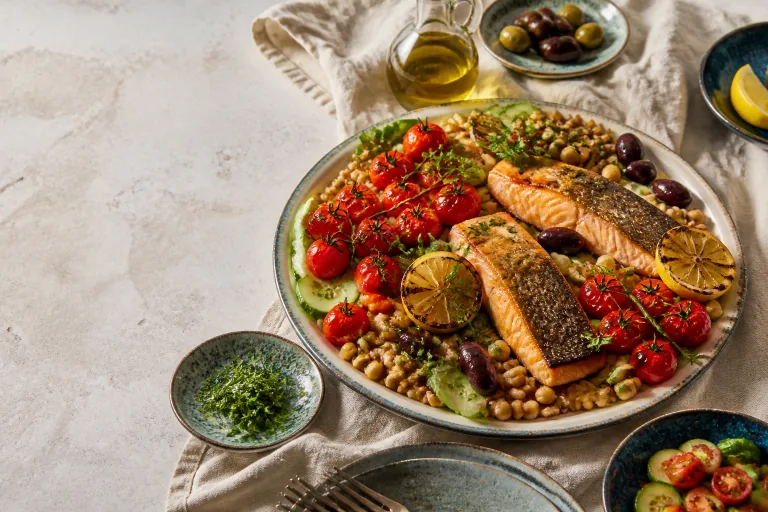
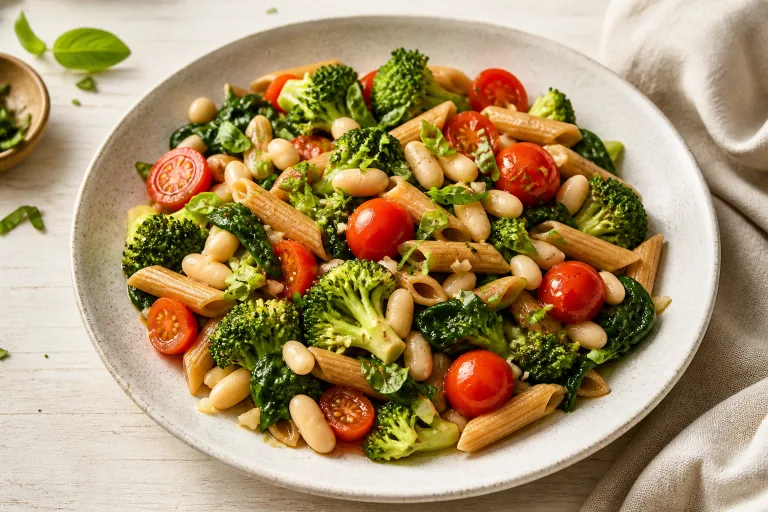
Four cholesterol-friendly recipes
Soluble fibre and good fats, desi-style. Maryam coordinates with your cholesterol numbers.
Who this is for
A great fit if you…
- Have high LDL cholesterol and want an evidence-based, diet-first approach
- Have a family history of heart disease
- Want a mainstream, doctor-endorsed plan rather than a trend
- Are ready to swap ghee and cream for oats, beans, fish and oils
Keep in mind that…
- If your LDL is very high or genetic, diet alone may not be enough
- Do not stop prescribed statins — TLC works with medication, not instead of it
- Results need consistency and a recheck of your numbers after a few months
The diet is the start. You are the rest.
We turn TLC's clinical targets into the food you actually cook.
We swap the saturated fat
The big lever in a desi kitchen is ghee and full-cream dairy. We move you to vegetable oils, leaner cuts and low-fat dairy without losing the flavour.
We hit the fibre & sterol targets
Oats at breakfast, dal and beans through the day, fruit and nuts as snacks — we build the 10–25g of soluble fibre and the sterols in deliberately.
We work with your doctor
TLC is the dietary arm of cholesterol care. We track it against your lipid panel and coordinate with any medication — never asking you to choose between food and your statin.
The honest answers
Yes — TLC can lower LDL by around 10–15%, and more when you fully use soluble fibre and plant sterols. For mildly or moderately raised cholesterol, that can be enough; for higher or genetic levels, it's a strong addition to medical treatment.
That's your doctor's call, based on your numbers and overall risk. TLC may reduce or sometimes avoid the need — but if you're prescribed a statin, do not stop it because you've changed your diet. The two work together.
It's the type of fibre that dissolves into a gel and carries cholesterol out of the body. You already eat it — oats, dal, beans, chana, apples, okra and psyllium (isabgol) are all rich sources. We aim for 10–25g a day.
Yes, at the recommended ~2g a day, found in fortified spreads and naturally in nuts, seeds and vegetable oils. They're a well-established, gentle way to nudge LDL down further.
Ghee is very high in saturated fat, which raises LDL — so yes, large daily amounts work against you. We don't ban it entirely, but we cut it right back and lean on vegetable oils, which is one of the most effective single changes you can make.
Very much so — it's just heart-healthy eating with specific targets. The same pot of oil-light dal, baked fish and vegetables suits everyone, and it pairs naturally with DASH if blood pressure is also a concern.
Where this comes from
- GuidelineThe program. NIH National Cholesterol Education Program, Adult Treatment Panel III (2001) — Therapeutic Lifestyle Changes. NCEP ATP III 2001 (JAMA) ↗
- TrialsSoluble fibre. Controlled studies of oats, beans and psyllium lowering LDL cholesterol. Brown 1999 (AJCN) ↗
- TrialsPlant sterols. Evidence that ~2g/day of plant sterols reduces cholesterol absorption and LDL. Demonty 2009 (J Nutr) ↗
- EvidenceSaturated fat. Long-standing research on replacing saturated fat with unsaturated fat to lower LDL. Hooper 2020 (Cochrane) ↗
Compiled by Nidari Nutrition, June 2026. Pending formal clinical review by Maryam Shabbir, DN. Educational reference — not a substitute for individual medical advice. Do not change prescribed medication without your doctor.
Want to lower your cholesterol?
Fifteen minutes with a dietitian. We'll translate TLC's targets into ghee-and-cream swaps that fit your cooking, build the soluble fibre and sterols in, and track it against your lipid panel alongside your doctor.