The Vegetarian Diet
No meat, fish or poultry — a principled way of eating with deep roots in India and ancient Greece, and links to longer, healthier lives. And nobody on earth does vegetarian food better than the subcontinent — which makes this one of the most natural fits in the whole atlas.
Ancient, principled, plant-rich
Vegetarianism is among the oldest deliberate ways of eating. It arose independently in the dharmic traditions of India — Hindu, Jain and Buddhist — built on non-harm, and in ancient Greece, where Pythagoras and his followers abstained from meat some 2,500 years ago.
For most of history it was a moral or spiritual choice. Modern science added a second reason: large studies of vegetarians find lower rates of heart disease, type-2 diabetes and obesity, and often longer lives. The catch is that it has to be planned — vegetarian doesn't automatically mean healthy.
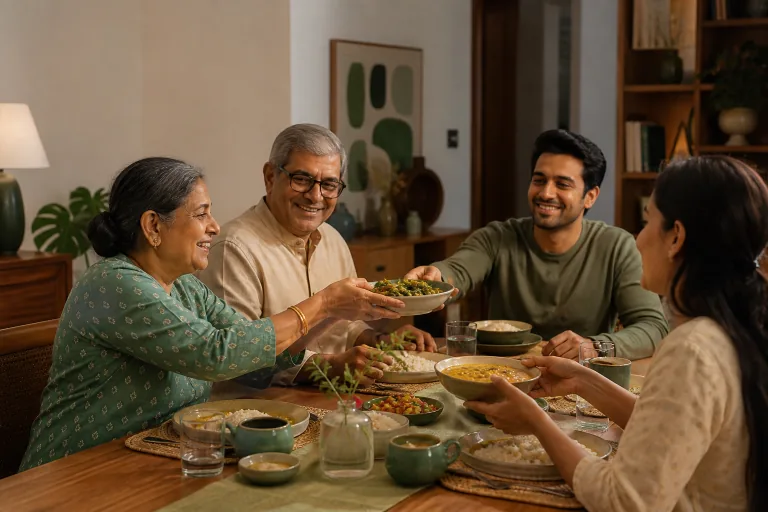
And here's the gift for our community: South Asia is home to the world's richest vegetarian cuisine. Dal, sabzi, chana, paneer, raita, vegetable pulao — the building blocks of a brilliant vegetarian diet are already in your kitchen, and every one of them is halal.
"The mistake isn't going vegetarian — it's going vegetarian on maida, fried snacks and mithai. We build it on dal, vegetables and dairy, the way it was meant to be."Vegetarian done well
What the research shows
The data favours well-planned vegetarian eating — with a clear note on what to watch.
Heart & longevity
Big long-running studies of vegetarians find lower heart-disease risk, lower blood pressure and lower BMI than meat-eaters — and in the Adventist cohort, links to longer life. In fairness, the same EPIC-Oxford cohort also found a somewhat higher stroke rate in vegetarians — one more reason planning (and B12) matters.
Type-2 diabetes
Vegetarian patterns are associated with lower type-2 diabetes risk — driven by more fibre and legumes and less saturated fat — relevant given how common diabetes is in our community.
Only if planned
"Vegetarian" isn't automatically healthy — a diet of refined carbs, fried food and cheese is vegetarian and harmful. The benefits come from whole plant foods.
The nutrients to watch
Vitamin B12 (not made by plants), plus iron, zinc, omega-3 and enough protein, need attention. Easily covered with planning — but they must be planned, not assumed.
Three things plant-eating does
More fibre, less saturated fat
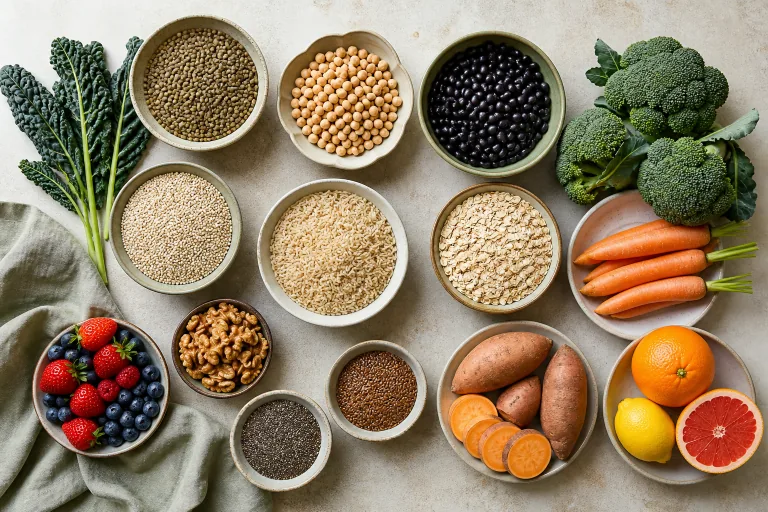
Legumes, vegetables and whole grains bring fibre that feeds the gut and lowers cholesterol; dropping meat removes a major source of saturated fat.
Plant protein that protects
Dal, chana, paneer and yogurt deliver protein alongside fibre and minerals — a package linked to better weight and metabolic health than processed meat.
Naturally lower-calorie
Whole plant foods are filling for fewer calories, which is why vegetarians tend to carry less weight — as long as fried snacks and sweets don't sneak back in.
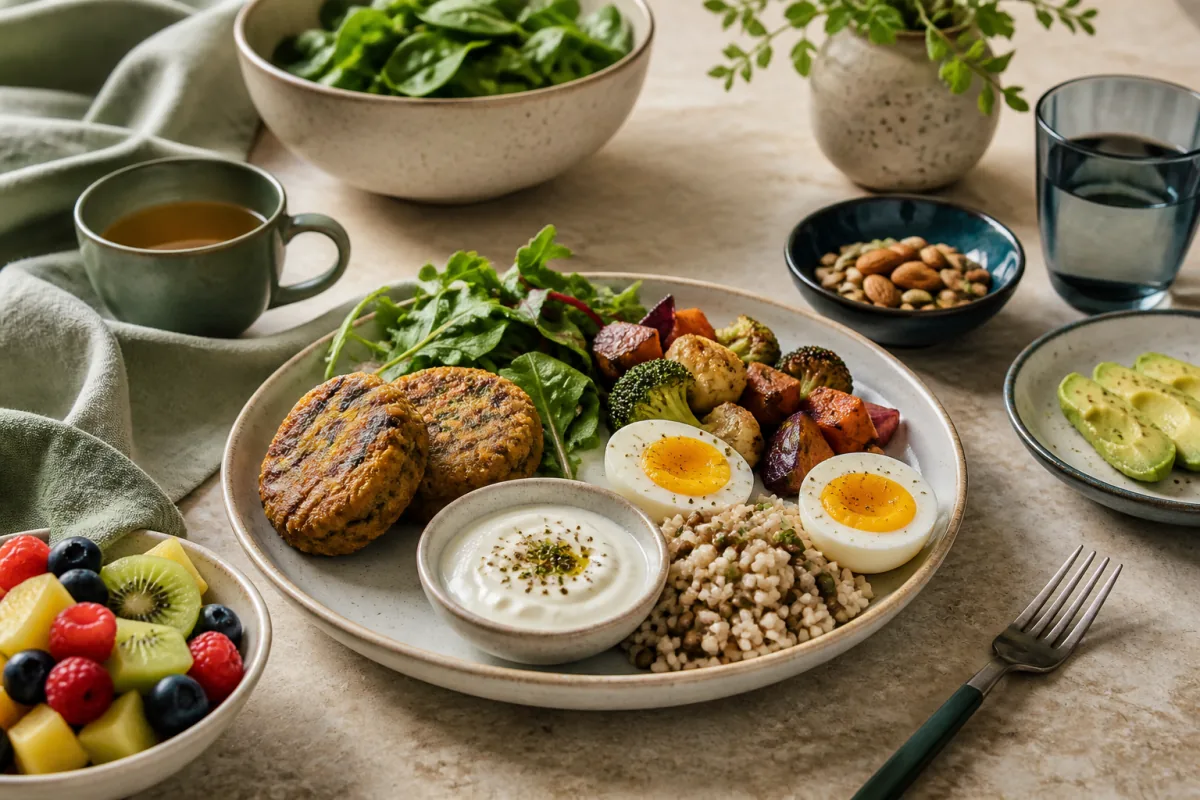
The well-planned vegetarian plate
Lacto-ovo (with dairy and eggs) is the easiest and most nutritionally complete form.
A vegetarian day, desi-style
Effortlessly halal, protein-balanced, and entirely familiar.
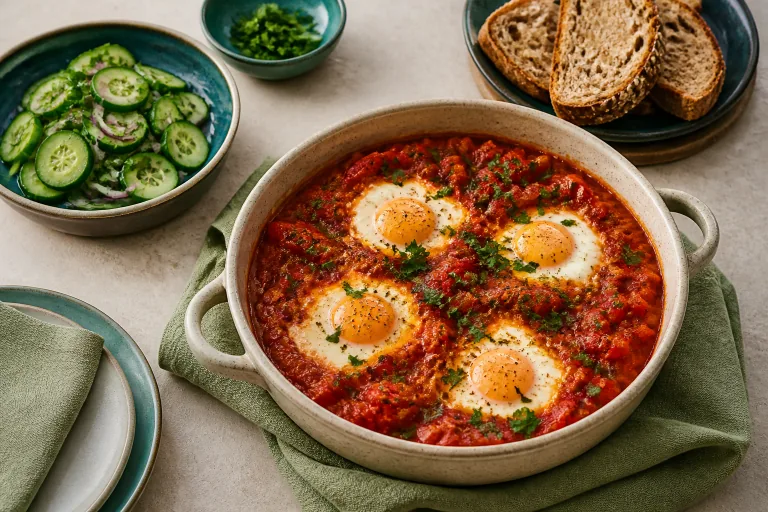
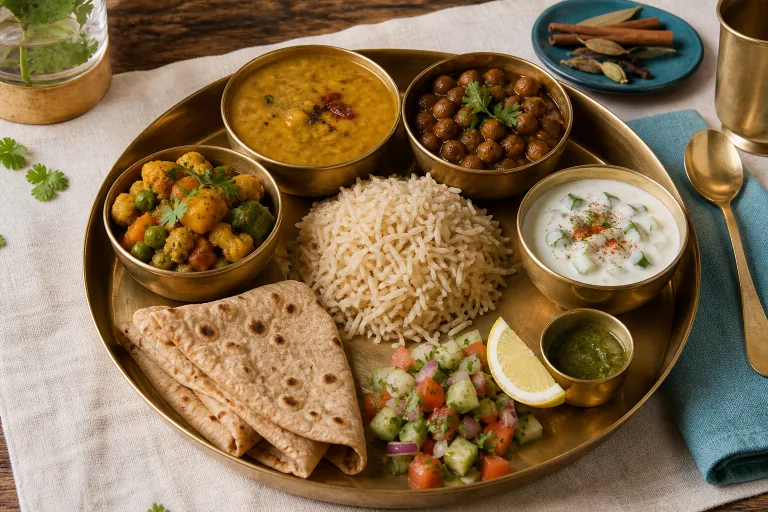
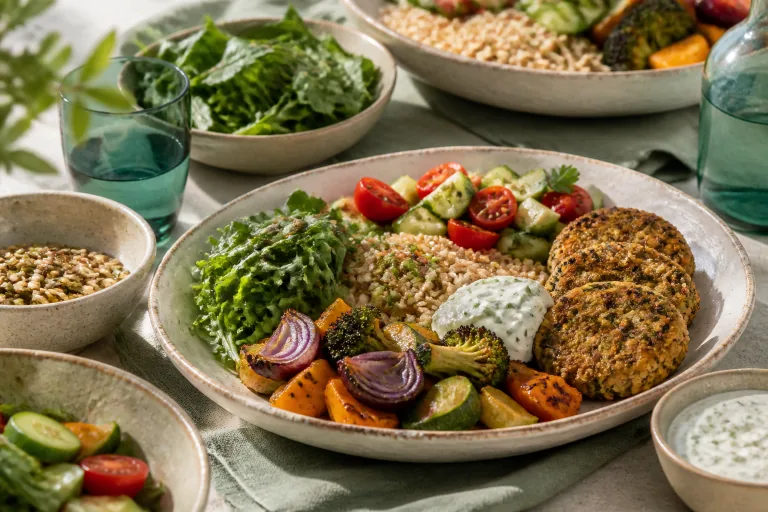
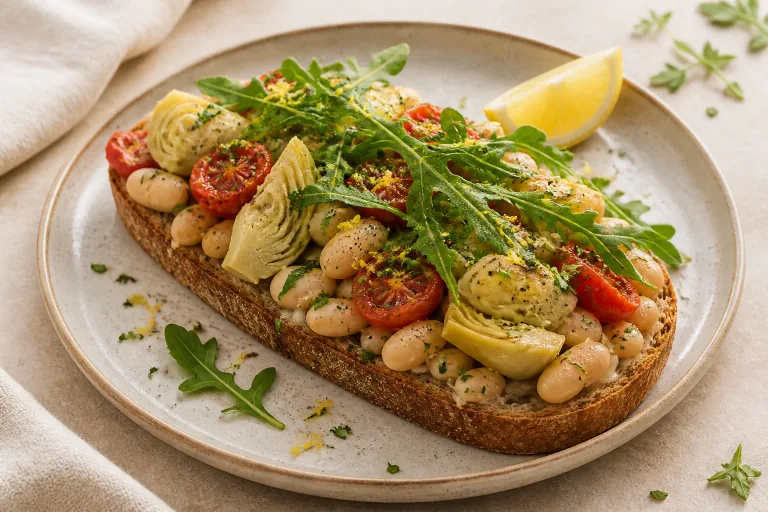
Four protein-rich vegetarian recipes
Vegetarian doesn't mean low-protein. Maryam balances B12, iron and protein for you.
Who this is for
A great fit if you…
- Already eat little meat, or cook for a vegetarian household
- Want a heart-and-longevity-friendly way of eating for life
- Love dal, paneer, chana and vegetables (you're most of the way there)
- Prefer plant-based for faith, ethics or the environment
Plan carefully if you…
- Are pregnant, breastfeeding, or growing teens (protein/iron/B12 needs rise)
- Have iron-deficiency anaemia (common in women — needs active management)
- Tend to fill up on refined carbs and fried snacks rather than whole foods
The diet is the start. You are the rest.
Vegetarian is the easy part for a desi kitchen. Doing it well is where we come in.
We protect your protein
We make sure every meal has a real protein anchor — dal, paneer, yogurt, eggs, sprouts, soya — so "vegetarian" never means "carb-heavy and tired."
We cover B12 & iron
The two nutrients vegetarians most often miss. We build them in through dairy, eggs and iron-rich foods paired with vitamin C — and recommend a B12 supplement where needed.
We dodge the veg traps
Vegetarian food can quietly become fried snacks, maida and cream. We keep your plate whole-food and your dairy and oil sensible, so the health benefits actually show up.
The honest answers
Yes, easily — if you plan it. Dal, chana, rajma, paneer, yogurt, eggs and sprouts are all protein-dense, and South-Asian cooking is full of them. We make sure every meal carries a protein anchor so you're never running on roti alone.
Well-planned vegetarian eating is linked to lower heart disease, diabetes and weight. But "vegetarian" alone guarantees nothing — a diet of fried snacks, maida and mithai is vegetarian and harmful. The benefits come from whole plant foods, which is exactly what we build.
If you eat dairy and eggs daily, you may get enough; if your intake is low or you're moving toward vegan, B12 is the one nutrient plants can't provide, and a supplement is the safe move. We check and advise rather than guess — B12 deficiency is sneaky.
It can be excellent — high fibre and legumes help both — but the carb portions matter. We pair a vegetarian base with the low-GI structure from our PCOS protocol so the rice and roti don't undo the benefit.
It can be — that's the main thing we fix. We use less oil and cream, bake instead of fry, and let spices do the work. The flavours stay; the heaviness goes.
Yes — whole-food vegetarian eating is naturally filling for fewer calories. The trap is replacing meat with cheese, fried snacks and refined carbs. Keep it whole-food and protein-forward and weight tends to follow.
Where this comes from
- CohortHeart & longevity. Adventist Health Study-2 and EPIC-Oxford — lower cardiovascular risk, BMI and (Adventist) mortality in vegetarians. Tong 2019 (BMJ) ↗
- ReviewsDiabetes. Observational analyses linking vegetarian patterns to lower type-2 diabetes incidence. Br J Nutr 2025 (T2D) ↗
- AnalysesQuality matters. Research distinguishing "healthful" (whole-food) from "unhealthful" (refined) plant-based diets and their opposite health effects. Satija 2017 (JACC) ↗
- Position statementAdequacy. Dietetic association positions on well-planned vegetarian diets — emphasising B12, iron, zinc, omega-3 and protein. AND Position 2016 ↗
Compiled by Nidari Nutrition, June 2026. Pending formal clinical review by Maryam Shabbir, DN. Educational reference — not a substitute for individual medical advice.
Ready to do vegetarian well?
Fifteen minutes with a dietitian. We'll make sure your vegetarian plate is protein-rich, B12-and-iron-secure, and built from the desi food you love — not fried snacks and cream.