The Whole30 Diet
Thirty strict days with no sugar, alcohol, grains, dairy or legumes — then a careful reintroduction. It's a diagnostic reset, not a forever diet, and certainly not a weight-loss plan. Its real value is what the reintroduction teaches you about how foods affect your body.


A reset, not a diet
Created in 2009 by Melissa and Dallas Hartwig, Whole30 asks for 30 days of whole foods with no exceptions — and, pointedly, no weighing yourself. It was never meant as a weight-loss diet. It's a structured elimination: take out the foods most likely to cause issues, let your body settle, then add them back one at a time and watch what happens.
That makes it an n-of-1 experiment. The rules — no grains, dairy or legumes — aren't claims that those foods are bad; they're simply common test foods to eliminate and then re-test. The whole value lives in the reintroduction.
The honest part: there's no formal trial behind Whole30, and most people do the strict 30 days, feel good (mostly from dropping sugar and ultra-processed food), and then skip the reintroduction — which is like running an experiment and never reading the result.
"If you do Whole30 and skip the reintroduction, you've just eaten clean for a month and learned nothing about your body. We make sure you actually finish the experiment."Finish the experiment
What the research shows
Limited as a "diet," useful as a method — if you do all of it.
No formal trials
Whole30 hasn't been tested in randomised trials. We catalog it honestly as a structured elimination method with limited direct evidence — not a researched health diet.
People feel better
Most people do feel better after 30 days — but largely from cutting sugar and ultra-processed food, which you can do without banning dal and yogurt.
The reintroduction works
Structured elimination-and-reintroduction is a genuine clinical method for spotting food sensitivities. Done properly, Whole30 can surface foods that don't agree with you.
Not for weight, not forever
It's not a weight-loss diet and not meant to last beyond 30 days plus reintroduction. Long-term it needlessly bans nutritious legumes, dairy and grains.
The three stages
Eliminate (30 days)
Whole foods only — no sugar, alcohol, grains, dairy or legumes — to reach a clean baseline and break sugar and processed-food habits.
Reintroduce (10+ days)
Add back one group at a time — dairy, then grains, then legumes — watching for bloating, energy dips, skin or mood changes.
Personalise
Keep what agrees with you, limit what doesn't. The output is a diet shaped by your own results, not the rulebook.
The Whole30 plate
Whole, unprocessed foods — with five groups paused for the experiment.

A Whole30 day, desi-style
Compliant for the 30 days — masala-rich, grain-, dairy- and legume-free.
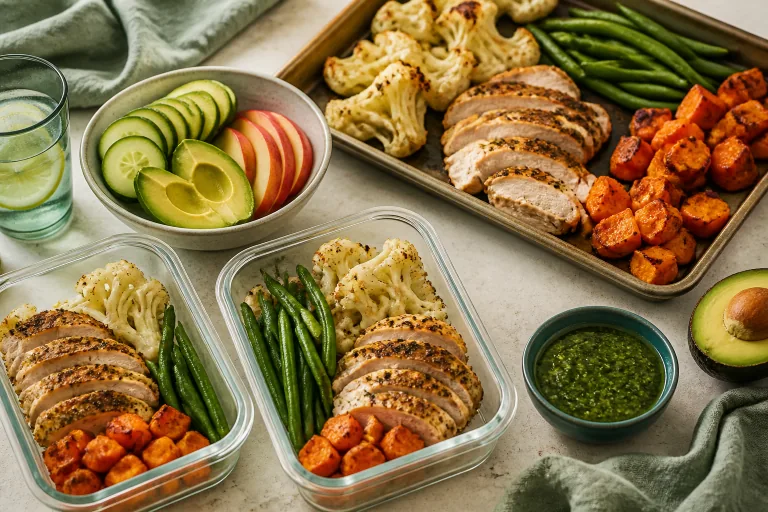
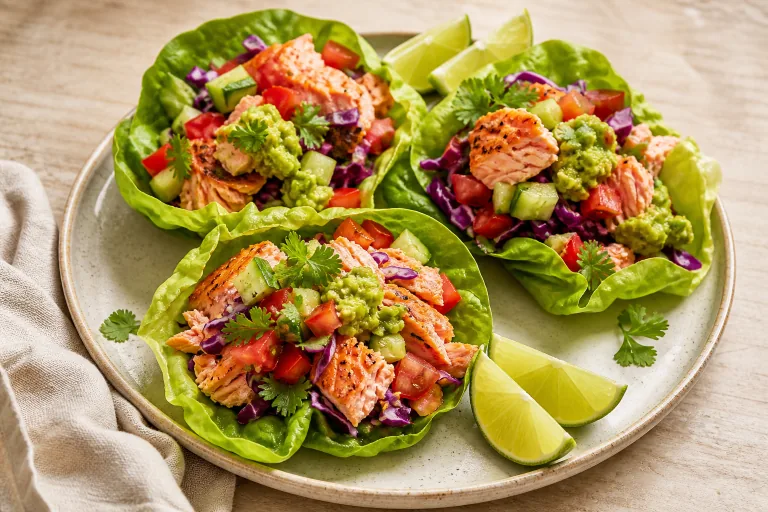
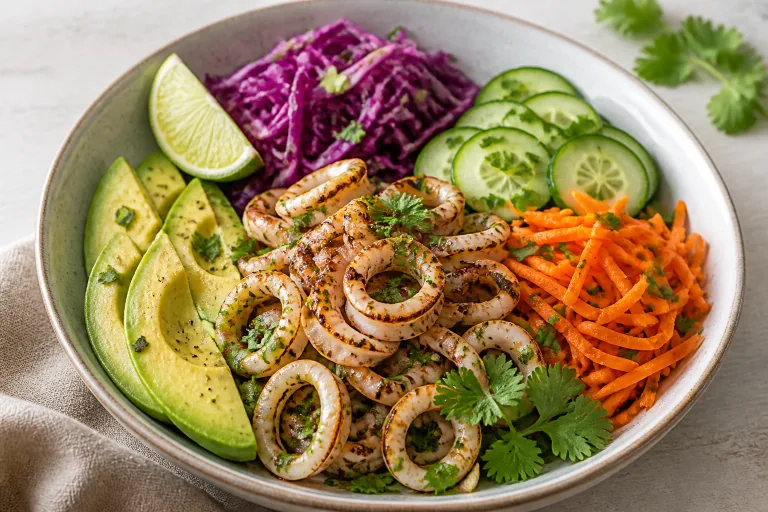

Four compliant desi recipes
Whole30-friendly and full of flavour. Maryam plans the 30 days and the reintroduction.
Who this is for
A fit if you…
- Suspect a food is bothering you and want a structured way to find out
- Will commit to the strict 30 days and the reintroduction
- Want to reset sugar and ultra-processed-food habits
- Like cooking from scratch
Not for you if…
- You have a history of disordered eating — strict all-or-nothing rules can be a trigger
- You're pregnant or breastfeeding
- You won't do the reintroduction — then it's just 30 hard days with no payoff
- You're hoping it's a weight-loss diet — it isn't designed for that
The diet is the start. You are the rest.
We treat Whole30 as a real experiment — and make sure you finish it.
We plan the 30 days
Compliant desi meals — coconut curries, grilled meats, egg dishes, vegetable sabzis — so the month feels like food you love, not punishment.
We run the reintroduction
The part most people skip is the part we insist on. We add dairy, grains and legumes back methodically and track how each one affects you.
We build your real diet
The outcome isn't "stay on Whole30" — it's a personalised, sustainable plan that keeps only what genuinely doesn't sit well out, and brings dal and yogurt back.
The honest answers
No — it explicitly tells you not to weigh yourself during the 30 days. Some people lose weight, but that's a side effect of cutting sugar and processed food, not the goal. It's a reset and a food-sensitivity experiment.
Not because they're "bad" — they're common foods that some people react to, so they're removed temporarily and then re-tested. Dal, roti and yogurt aren't villains here; they're simply on the test list, and most come back in for most people.
After 30 days you add back one group at a time — say dairy on day one, watch for a couple of days, then grains, then legumes — noting any bloating, energy, skin or mood changes. That's how you learn which foods actually affect you.
For most healthy adults, a well-planned 30 days is fine. But it's restrictive, so it's not for pregnancy, breastfeeding, or anyone with a history of disordered eating — and we make sure nutrition stays adequate throughout.
Yes — coconut-based curries, grilled and roasted meats, egg dishes and vegetable sabzis are all compliant. The masala dabba does the heavy lifting; you lose the roti, rice and dal for a month, not the flavour.
You don't stay on it. You reintroduce foods, learn your triggers, and move to a normal, varied diet — ideally one we build around your results, with dal, yogurt and whole grains firmly back on the table.
Where this comes from
- BookOrigins. Melissa & Dallas Hartwig, It Starts With Food / The Whole30 program (2009 onward).
- MethodElimination diets. Established clinical methodology for elimination-and-reintroduction to identify food sensitivities. Halmos 2014 (Gastroenterol) ↗
- ResearchProcessed food. Evidence that cutting added sugar and ultra-processed food improves how people feel. Hall 2019 (Cell Metab) ↗
- NoteBoundaries. Program guidance that Whole30 is short-term and not a weight-loss diet; nutritional-adequacy considerations.
Compiled by Nidari Nutrition, June 2026. Pending formal clinical review by Maryam Shabbir, DN. Educational reference — not a substitute for individual medical advice.
Thinking about a reset?
Fifteen minutes with a dietitian. We'll plan a compliant 30 days of desi food you'll actually enjoy — and, crucially, run the reintroduction so you finish with real answers, not just a hard month behind you.