The Flexitarian Diet
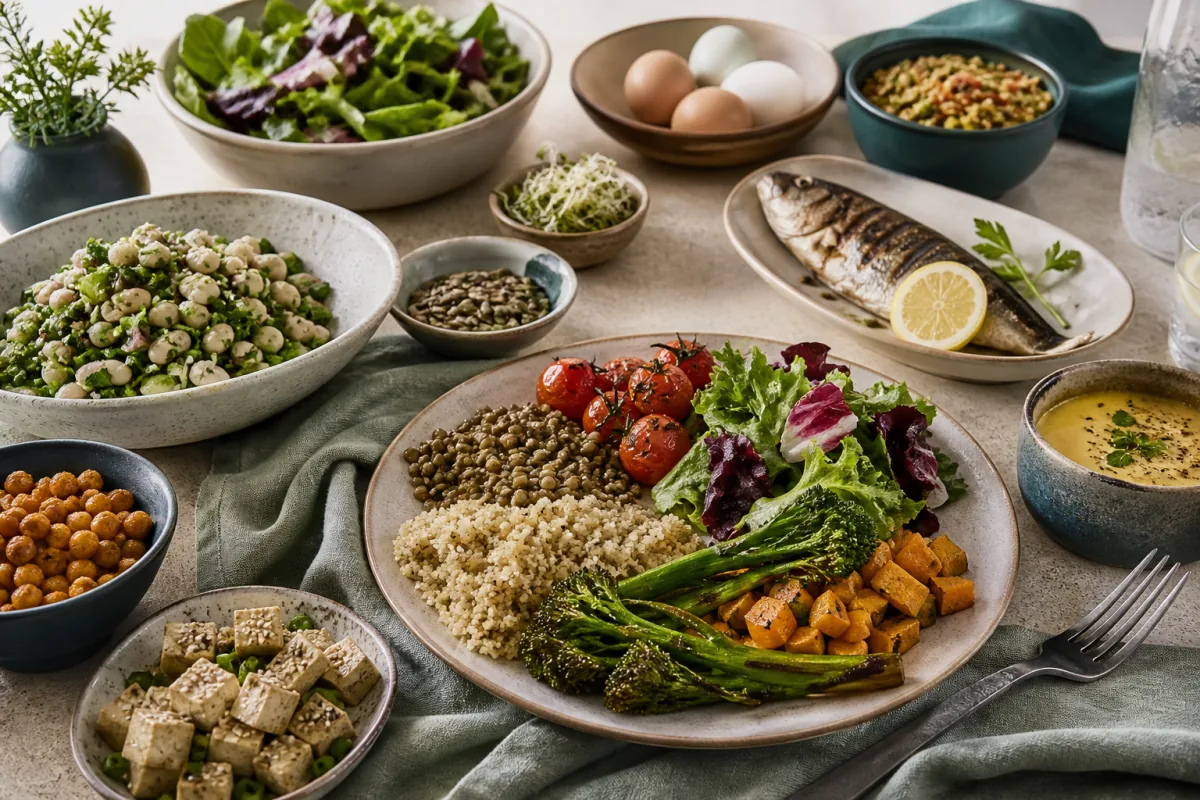
Plant-based by default, with meat as an occasional guest rather than the main event. It's the most realistic way for a meat-loving family to capture most of the benefits of vegetarian eating — without giving up meat entirely. Keep it for the dawat; go plant-forward the rest of the week.
Vegetarian, without the ultimatum
The word — "flexible" plus "vegetarian" — was popularized in 2008 by dietitian Dawn Jackson Blatner, who noticed something obvious that diets kept ignoring: most people won't become full vegetarians, but almost anyone can shift the balance toward plants.
So flexitarian sets no hard ban. Plants are the default — dal, vegetables, whole grains — and meat becomes occasional rather than daily. Research links this mostly-plant pattern to better heart and weight outcomes, and because it asks for progress rather than perfection, people actually stick with it.
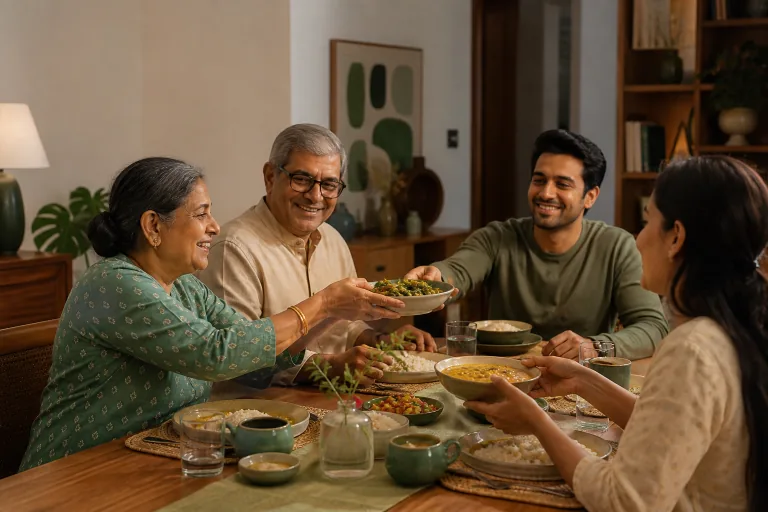
For our families it fits beautifully. Meat in desi culture is celebratory — the biryani, the nihari, the Eid feast. Flexitarian keeps meat exactly there, for the occasions that matter, and makes the ordinary weekday plant-forward.
"You don't have to give up nihari to eat better. You have to make it the exception, not the everyday — and let dal and sabzi carry the ordinary week."Progress, not perfection
What the research shows
The benefits of plant-forward eating, with the sustainability most diets lack.
Heart & weight
Mostly-plant diets are linked to lower heart-disease risk, lower BMI and better blood pressure — flexitarian captures most of this without full vegetarianism.
The diet you'll actually keep
The best diet is the one you sustain. Flexitarian's flexibility makes it far easier to maintain than strict plans — and consistency is what produces results.
Less red & processed meat
Much of the benefit comes from reducing red and especially processed meat, which are linked to higher heart-disease and cancer risk — flexitarian does this without a total ban.
It's a direction, not a rule
"Flexitarian" has no fixed definition, so results depend on how plant-forward you actually go. Eat meat most days and call it flexitarian, and the benefit shrinks. The balance matters.
Three things flexitarian does
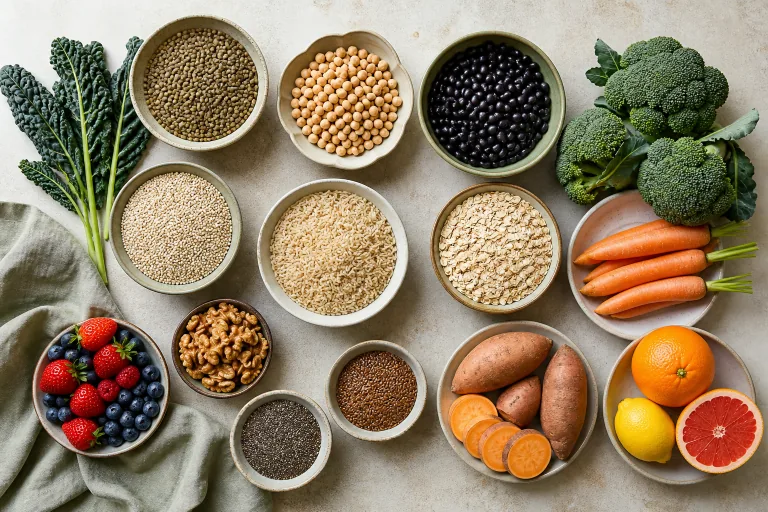
More plants, by default
Making dal, vegetables and whole grains the everyday base raises fibre and lowers saturated fat — the heart of plant-forward benefit.
Less red meat
Shifting meat from daily to occasional cuts the red and processed meat most tied to chronic disease — without an outright ban.
It actually lasts
Because nothing is forbidden, flexitarian survives real life — celebrations, travel, family meals — which is why it keeps working long after stricter diets are abandoned.
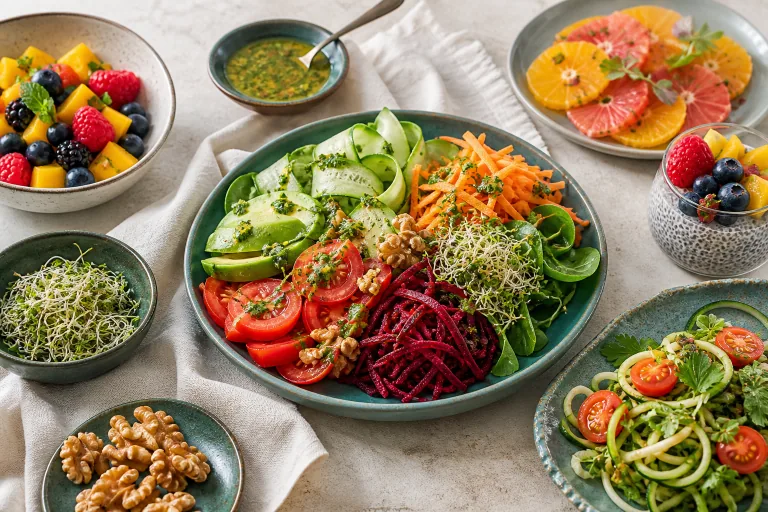
The flexitarian plate
Plants lead; meat plays a supporting role a couple of times a week.
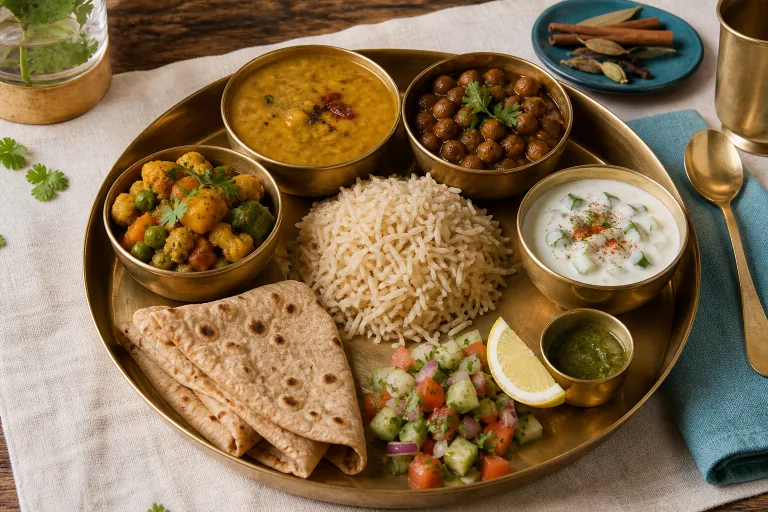
A flexitarian week, desi-style
Mostly plant-forward days, with meat or fish on two of them.
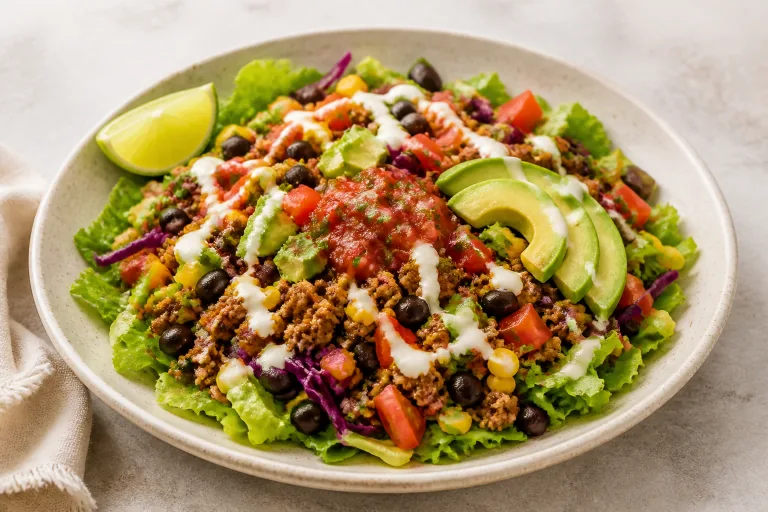
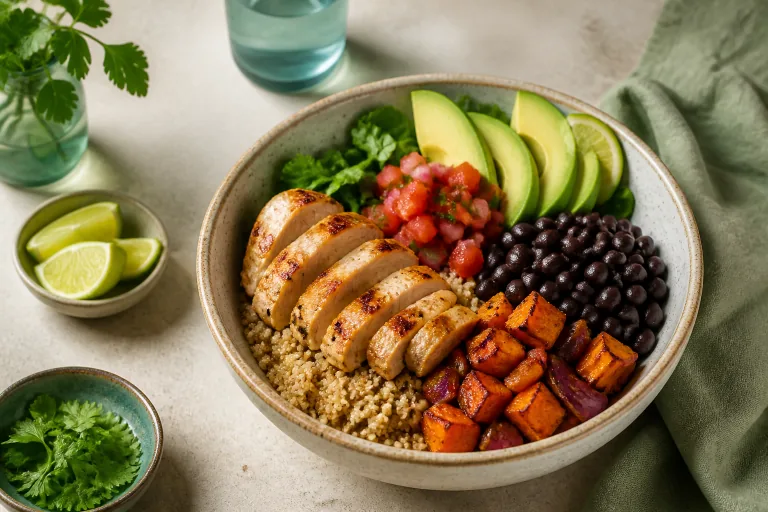
Four balance-shifting recipes
Plant-forward staples, plus meat used as flavour rather than the centrepiece.
Who this is for
A great fit if you…
- Love meat but know you should eat less of it
- Want heart-and-weight benefits without an all-or-nothing diet
- Cook for a family that won't accept going fully vegetarian
- Have tried strict diets and given up — flexibility is what you need
Watch out if you…
- Let "flexible" quietly drift back to meat most days — the benefit fades
- Replace meat with fried snacks and refined carbs instead of plants
- Skip protein on plant days and end up tired and hungry
The diet is the start. You are the rest.
Flexitarian only works if "flexible" has a shape. We give it one.
We set the balance
A concrete target — say plant-forward five days, meat or fish on two — so the diet stays genuinely plant-led instead of drifting back to daily meat.
We keep meat days lean
When meat is on the plate, we keep it lean and unprocessed, stretch it with vegetables, and save the rich celebratory dishes for the occasions that deserve them.
We make plant days satisfying
Every meat-free day gets a real protein anchor — dal, chana, paneer, eggs — so plant-forward never means hungry, tired or carb-heavy.
The honest answers
There's no fixed rule, which is the point — but a common, effective target is meat or fish on about two days a week, with the rest plant-forward. We set a balance that fits your family and still shifts your health in the right direction.
Essentially, yes — and that's its strength. It's a simple, sustainable idea with real evidence behind it, dressed up with a friendly name. The skill is in doing it well: making the plant days genuinely nourishing rather than just meat-free.
Easily, with planning. Dal, chana, rajma, paneer, yogurt and eggs are all protein-rich and central to desi cooking. We make sure every plant-forward meal has a protein anchor so you're satisfied, not running on roti alone.
Yes — shifting toward plants and away from red and processed meat lowers saturated fat and raises fibre, both good for the heart. The more plant-forward your balance, the larger the benefit.
It's one of the easiest diets to do as a family, because nobody feels deprived — the meat still appears, just less often. We build a weekly rhythm that works for everyone at the table.
Vegetarian removes meat entirely; flexitarian keeps it occasional. The Mediterranean diet is similar in spirit but adds an emphasis on olive oil and fish. Flexitarian is the gentlest on-ramp of the three.
Where this comes from
- BookOrigins. Dawn Jackson Blatner, RD, The Flexitarian Diet (2008) — popularised the flexitarian framework.
- ReviewsHeart & weight. Reviews associating semi-vegetarian / plant-forward patterns with lower cardiovascular risk and BMI. Derbyshire 2017 (Front Nutr) ↗
- CohortMeat & disease. Evidence linking red and processed meat to higher heart-disease and cancer risk.
- BehaviourAdherence. Research showing sustainable, flexible diets outperform strict ones over the long run. Dansinger A-TO-Z (JAMA 2005) ↗
Compiled by Nidari Nutrition, June 2026. Pending formal clinical review by Maryam Shabbir, DN. Educational reference — not a substitute for individual medical advice.
Ready to shift the balance?
Fifteen minutes with a dietitian. We'll set a realistic plant-to-meat rhythm for your family, keep the celebration dishes where they belong, and make every plant-forward day genuinely satisfying.