The Pescatarian Diet
Vegetarian eating with fish and seafood added — you keep the plant benefits and gain easy protein, B12 and marine omega-3. Fish is halal and beloved across the subcontinent, which makes this one of the gentlest, most heart-smart fits in the atlas.
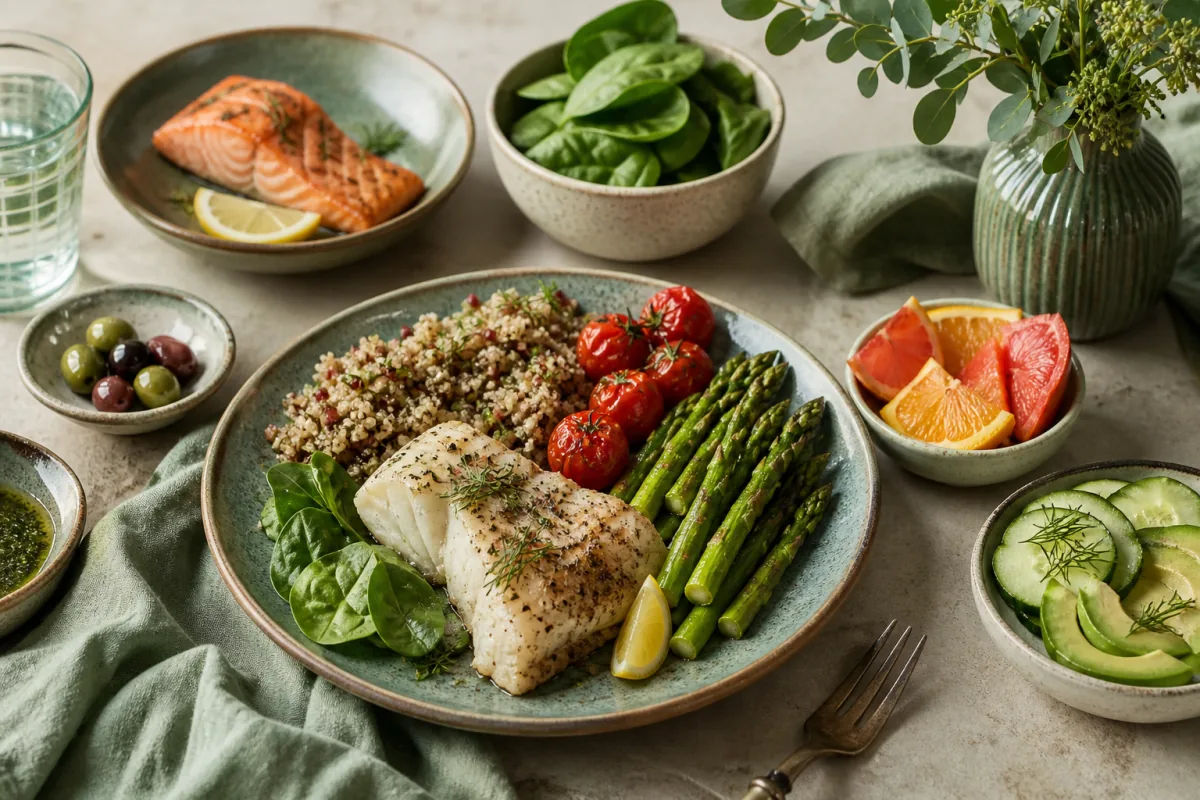

An old way of eating, a new name
The word pescatarian is modern — coined in the 1990s from the Italian pesce, fish — but the pattern is ancient. Coastal communities around the Mediterranean and South Asia have always eaten mostly plants with fish as their main animal food.
It sits in a sweet spot: keep the fibre, legumes and vegetables that make plant-based eating healthy, and add fish for complete protein, vitamin B12 and the marine omega-3s that are hardest to get from plants. Large studies place pescatarians among the lowest-risk eaters of all.
And it's a natural for our community. From machli ka salan to fried fish at every dawat, fish is woven into desi cooking — and it's halal. We keep the fish and rethink the frying.
"You don't have to choose between dal and protein. Pescatarian keeps your lentils and vegetables and adds the one food that closes almost every plant-based nutrition gap — fish."Plants, with fish
What the research shows
One of the better-evidenced, lower-risk ways to eat — with two honest cautions.
Heart & longevity
In the large Adventist cohort, pesco-vegetarians had among the lowest mortality of any dietary group — a notable signal for a pattern this easy to follow.
Oily fish & the heart
Eating oily fish a couple of times a week is linked to lower heart-disease risk and lower triglycerides — a core recommendation in most heart-health guidelines.
Fish, not just fish-oil pills
Trials of omega-3 supplements have been mixed. The benefit shows up most consistently when omega-3 comes from eating fish as part of a whole diet — so we favour the fish, not the capsule.
Mercury & the fryer
Large predatory fish carry mercury — a real concern in pregnancy — and deep-fried fish undoes much of the benefit. Choice of fish and cooking method matter.
Three things this plate does
Marine omega-3
Oily fish supplies EPA and DHA — the active omega-3s linked to heart and brain health and lower triglycerides, and the ones plants can't readily provide.
Swaps out red meat
Replacing red and processed meat with fish and legumes lowers saturated fat and the risks tied to processed meat — a quiet but powerful change.
Keeps the plant base
Underneath the fish it's still a fibre-rich, legume-and-vegetable diet — so you keep every benefit of plant-forward eating.
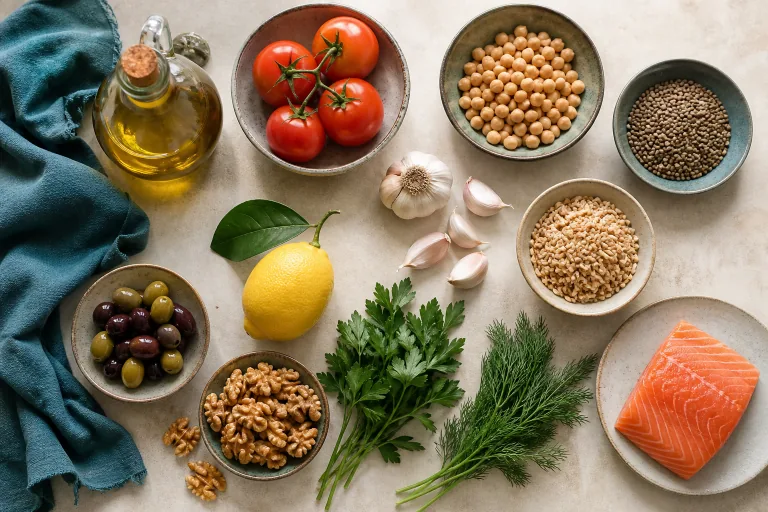
The pescatarian plate
A plant-forward base, with fish two or three times a week.
A pescatarian day, desi-style
Mostly plants, with fish as the centrepiece a few nights a week.
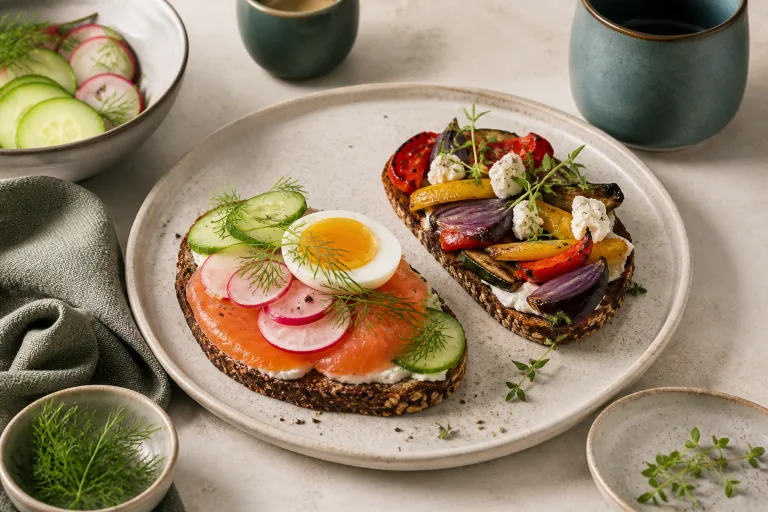
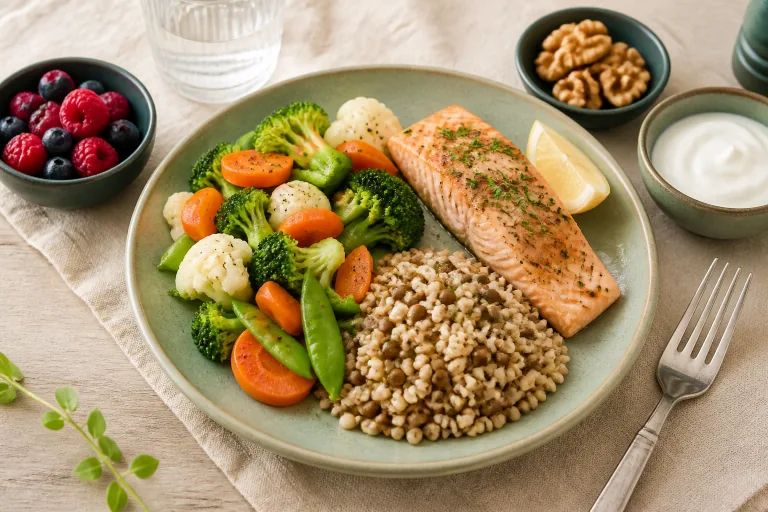
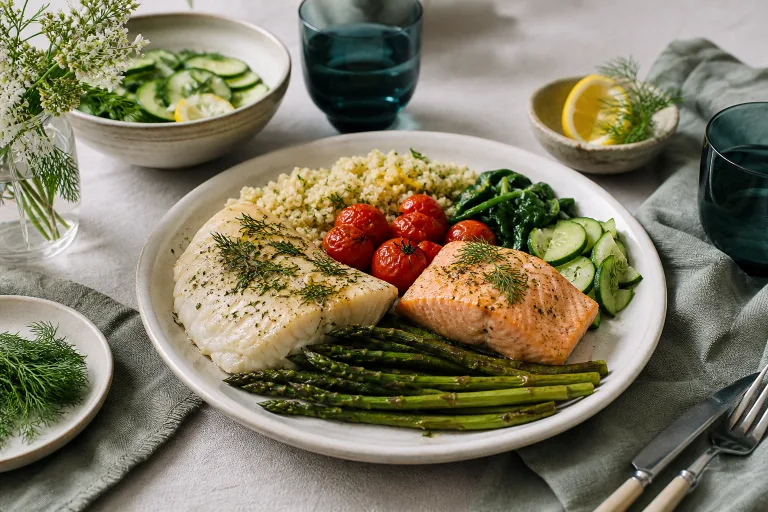
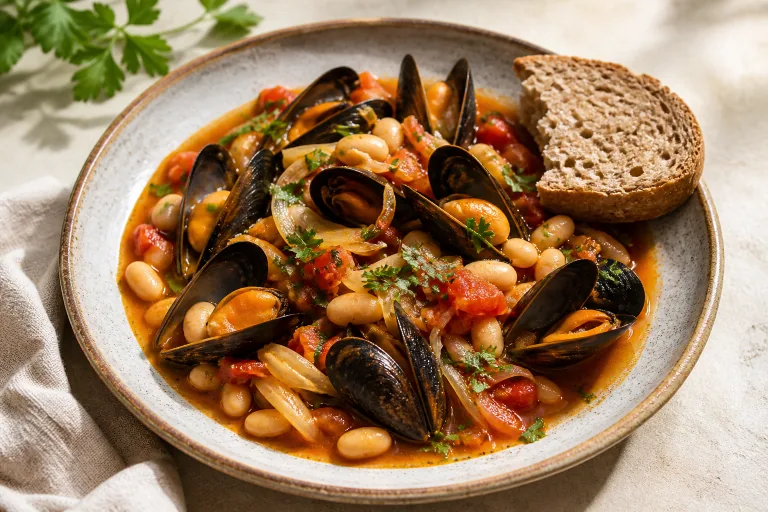
Four heart-smart fish recipes
Baked and grilled, not deep-fried. Maryam keeps the omega-3 high and the mercury low.
Who this is for
A great fit if you…
- Want plant-based benefits without giving up all animal protein
- Are focused on heart health and want easy omega-3
- Love fish and seafood — and want them halal and home-cooked
- Find full vegetarian or vegan too restrictive to sustain
Plan carefully if you…
- Are pregnant or breastfeeding (choose low-mercury fish; avoid shark, swordfish, king mackerel; limit tuna)
- Mostly eat fish deep-fried — the cooking method matters as much as the fish
- Have limited access to fresh or affordable fish
The diet is the start. You are the rest.
Pescatarian is easy and forgiving. We make the fish choices work for your body and budget.
We pick the right fish
We steer you toward omega-3-rich, low-mercury options — and, in pregnancy, give you a clear yes/no list — so you get the benefit without the risk.
We retire the deep-fryer
Fish is brilliant; battered-and-fried fish isn't. We move you to baked, grilled and curried fish that keeps the flavour and loses the fried-oil load.
We keep the plant base strong
Fish is the upgrade, not the whole plan. We make sure dal, vegetables and whole grains still carry the plate so the fibre and variety stay high.
The honest answers
Usually not. If you eat oily fish — salmon, sardines, mackerel, rohu — a couple of times a week, you're getting omega-3 in the form the evidence supports most. We suggest supplements only if you can't eat fish regularly.
Fish is widely considered halal across schools of thought. Views differ on some shellfish and other sea creatures, so if that matters to you, follow your own school's guidance — and for religious rulings, ask a qualified scholar rather than us.
For most people, eating a variety of common fish is fine. The caution is mainly in pregnancy and breastfeeding: avoid high-mercury fish (shark, swordfish, king mackerel, tilefish) and limit tuna. We'll give you a simple safe-list if that applies.
Occasionally, sure — but deep-frying adds a lot of oil and undoes much of fish's heart benefit. We lean on baked, grilled and curried fish for everyday meals and keep fried fish as a treat, not a habit.
Two to three times a week is a good target, with at least one oily-fish meal for omega-3. The rest of the week stays plant-based — dal, vegetables and whole grains — which is what keeps the diet healthy overall.
It's one of the better patterns for it — fish replaces red and processed meat, the plant base lowers saturated fat, and oily fish helps triglycerides. For specific cholesterol targets we'll align it with the principles in our DASH and Mediterranean pages.
Where this comes from
- CohortLongevity. Adventist Health Study-2 — pesco-vegetarians among the lowest-mortality dietary groups. Orlich 2013 (JAMA IM) ↗
- GuidelinesFish & the heart. Cardiology dietary guidance recommending oily fish ~twice weekly for cardiovascular health. Jayedi 2018 (PHN) ↗
- TrialsOmega-3 nuance. Mixed results from omega-3 supplement trials versus more consistent benefit from dietary fish. VITAL 2019 (NEJM) ↗
- AdvisoryMercury & pregnancy. FDA/EPA advice on fish choices, mercury and pregnancy/breastfeeding. FDA/EPA Fish Advice ↗
Compiled by Nidari Nutrition, June 2026. Pending formal clinical review by Maryam Shabbir, DN. Educational reference — not a substitute for individual medical advice.
Ready to add fish, wisely?
Fifteen minutes with a dietitian. We'll choose the right fish for your goals (and your pregnancy, if relevant), move you off the deep-fryer, and keep dal and vegetables carrying the plate.