The Pritikin Diet
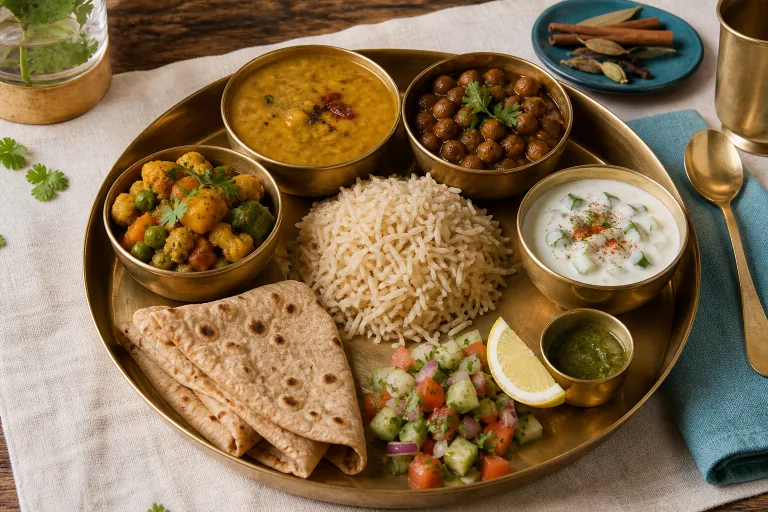
One of the earliest evidence-minded heart programs — low in fat, high in fibre, built on unrefined whole foods and paired with exercise. A close, slightly gentler cousin of Ornish — and remarkably close to how many South Asian vegetarians already eat: dal, sabzi, roti, fruit.
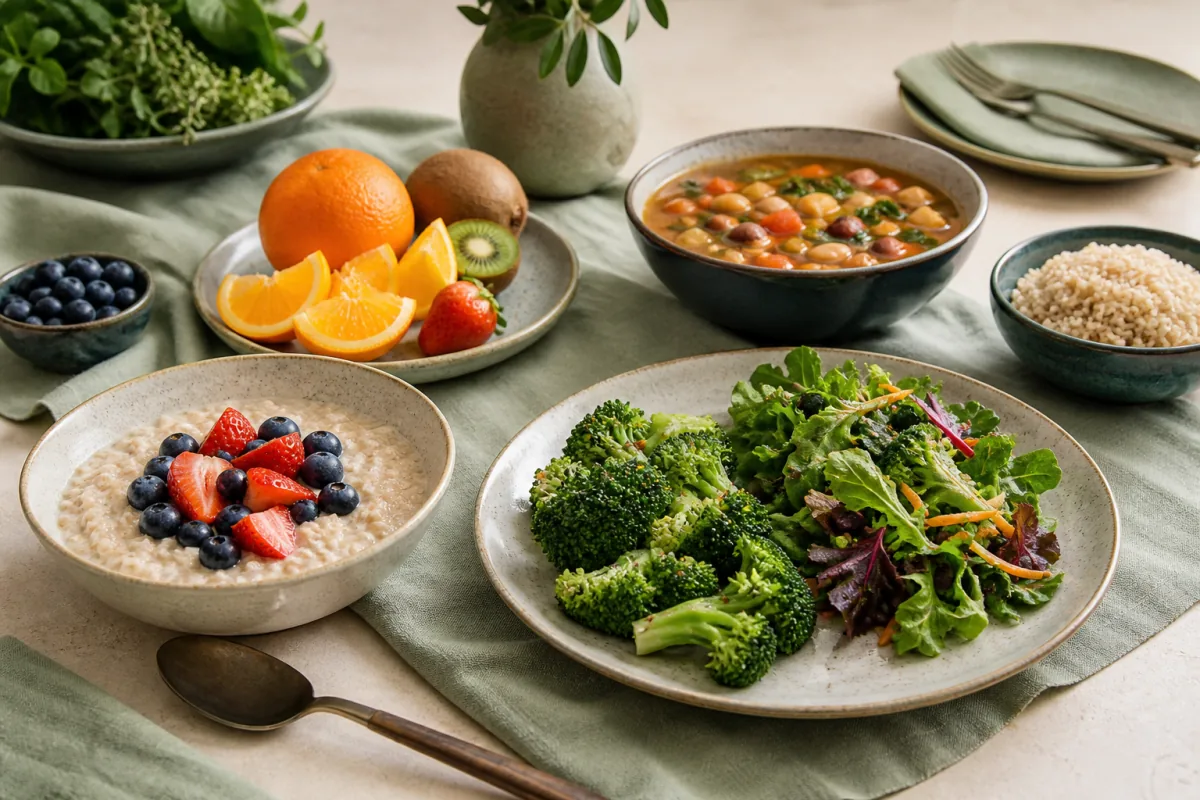
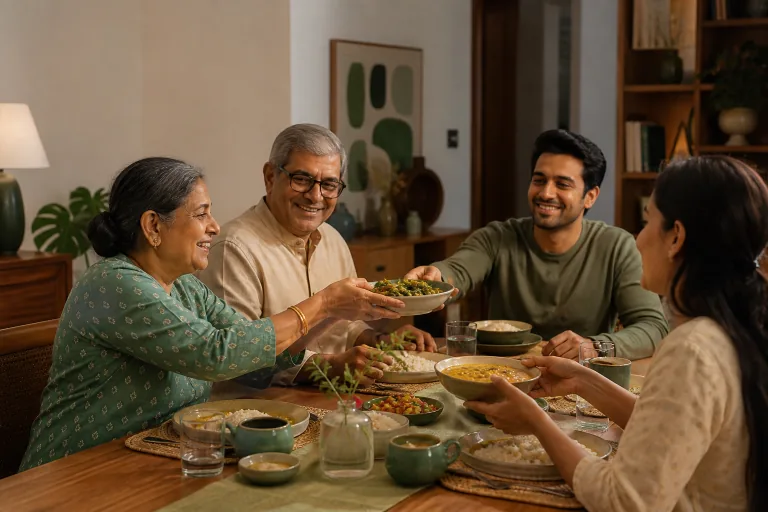
Ahead of its time
After his own heart-disease diagnosis in the 1950s, Nathan Pritikin — an inventor, not a doctor — pored over the research and built one of the first structured low-fat, high-fibre, whole-food programs, opening the Pritikin Longevity Center in 1976. Decades before it was mainstream, he paired unrefined food with daily exercise.
The emphasis: unrefined high-fibre carbohydrates (whole grains, legumes, vegetables, fruit), very little fat, modest lean protein, and movement. Studies at the Center documented improvements in cholesterol, blood sugar and blood pressure.
The honest read: genuinely pioneering and evidence-minded, and the direction is now mainstream heart advice. It's close to Ornish but a touch more flexible (small amounts of lean animal protein are allowed). The very-low-fat target is still the demanding part — and for many South Asian vegetarians, this looks a lot like the food already on the table.
"Pritikin was decades early, and much of it is simply how a careful desi vegetarian already eats — dal, sabzi, roti, fruit. We fine-tune the fat and fibre to your numbers, and add the walk."Pioneering, and familiar
What the research shows
A validated direction — gentler than its results suggest you need to be.
Cardiometabolic improvement
Studies of Pritikin Center attendees show improvements in LDL cholesterol, blood sugar and blood pressure over the program — meaningful, repeatable benefits.
Now mainstream advice
Low-fat, high-fibre, whole-food eating plus exercise is now standard heart guidance — Pritikin was decades ahead, and the core direction is well-supported.
Close to desi vegetarian eating
Dal, sabzi, roti, fruit and small amounts of lean protein already approximate Pritikin — many in our community are most of the way there.
Very low fat is demanding
Its very-low-fat target is hard to sustain, and for most people not dramatically better than gentler heart diets like DASH or Mediterranean. Exercise is integral, not optional.
Three things Pritikin does
Low fat lowers LDL
Cutting fat — especially saturated fat — and centring whole plants drives down LDL cholesterol, the engine of heart disease.
High fibre steadies sugar
Unrefined high-fibre carbohydrates smooth blood sugar and keep you full — good for weight and diabetes alike.
Movement is built in
Daily exercise was part of Pritikin from the start — the other half of the cardiometabolic benefit.
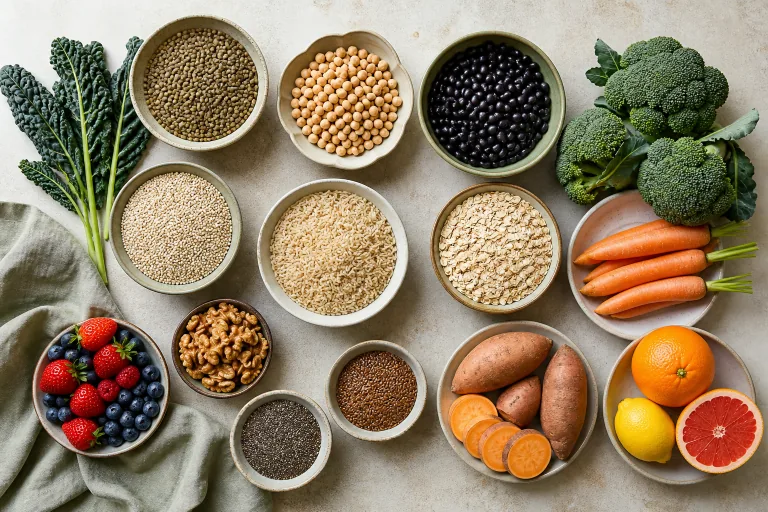
The Pritikin plate
Unrefined, high-fibre, low-fat — with small amounts of lean protein.
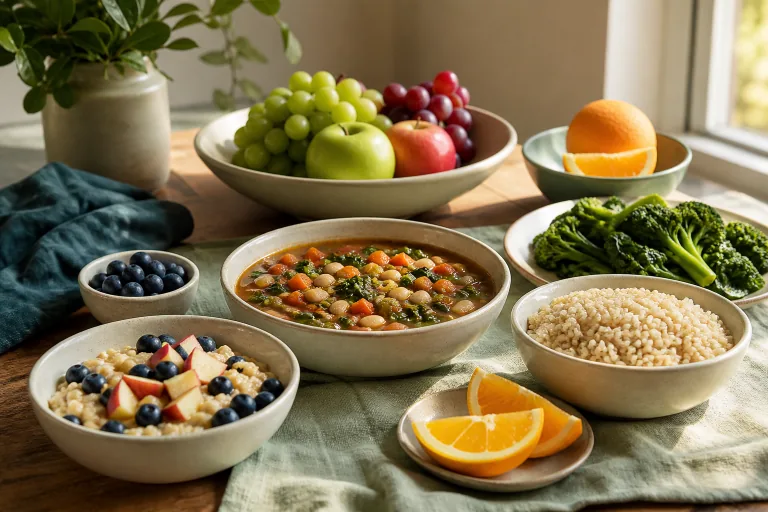
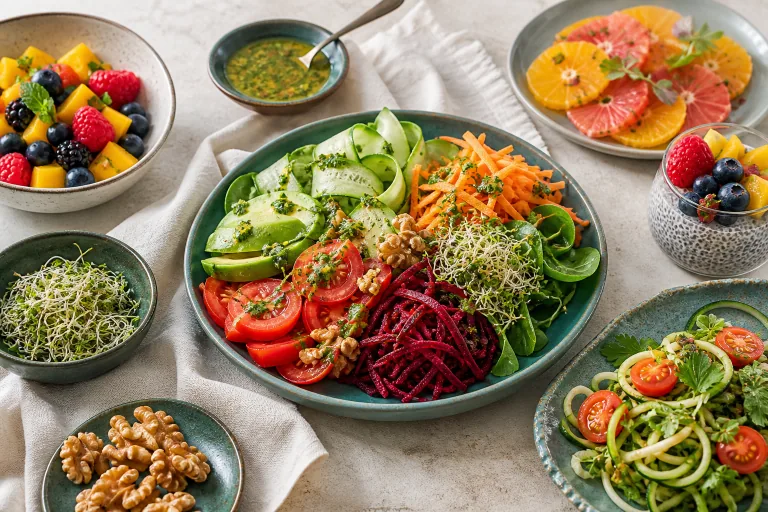
A Pritikin day, desi-style
High-fibre, low-fat — much of it already familiar.
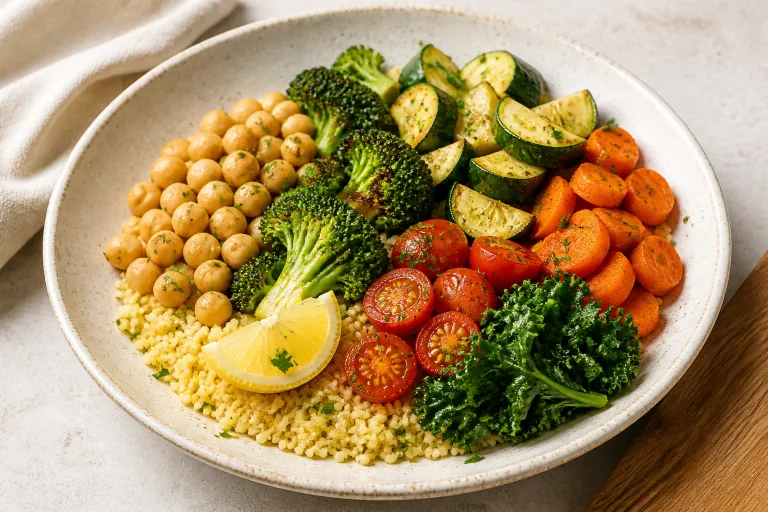
Four low-fat, high-fibre recipes
Familiar desi food, fine-tuned for the heart. Maryam matches the fat and fibre to your numbers.
Who this is for
A fit if you…
- Want a structured, whole-food, low-fat approach for heart or cholesterol
- Are already a desi vegetarian — you're much of the way there
- Are willing to add daily movement, not just change food
- Want Ornish's direction with a little more flexibility
Consider gentler if you…
- Want general prevention — DASH or Mediterranean get most of the benefit more easily
- Find very-low-fat hard to sustain (most people do long-term)
- Are very active or slim (very low fat can make calories and energy tricky)
- Won't add the exercise piece — it's half the program
The diet is the start. You are the rest.
For many of our clients, Pritikin is a fine-tune of food they already eat.
We build on the desi base
Dal, sabzi, roti and fruit are already most of Pritikin. We adjust the oil and refine the grains rather than overhauling your kitchen.
We tune fat & fibre to your numbers
How low the fat needs to go depends on your cholesterol, blood sugar and goals. We set a target you can sustain, not an arbitrary extreme.
We add the movement
Exercise is half of Pritikin. We start simple — a daily walk — and build from there, because the food and the movement work together.
The honest answers
They're close cousins — both very low-fat, whole-food, plus exercise. Pritikin is a touch more flexible: it allows small amounts of lean animal protein (fish, skinless chicken, egg whites), where Ornish is essentially plant-based. Ornish has the formal reversal-trial evidence; Pritikin is a little easier to live with.
How low depends on your goals. For serious heart concerns, lower is more powerful; for general health, a moderate low-fat plate (closer to DASH or Mediterranean) gets most of the benefit and is far easier to keep. We set the level to your numbers.
Yes — low-fat, high-fibre, whole-food eating helps both, and Center studies showed improvements in cholesterol, blood sugar and blood pressure. We coordinate it with your lab numbers and any medication.
Strikingly close. A careful vegetarian eating dal, sabzi, roti, fruit and non-fat dairy — light on oil and ghee — is already following much of Pritikin. We just fine-tune the fat and fibre and add a daily walk.
It's part of the program, not an add-on — the cardiometabolic results came from food and movement together. You don't need a gym; a consistent daily walk is a powerful start, and we build from there.
The whole-food, high-fibre direction is very sustainable; the strictest very-low-fat version is harder. We aim for the most beneficial level you'll actually maintain — usually a comfortable low-fat plate rather than an extreme one.
Where this comes from
- ProgramOrigins. Nathan Pritikin; the Pritikin Longevity Center (1976) low-fat, high-fibre, whole-food + exercise program.
- CohortCardiometabolic. Published Pritikin Center studies showing improved LDL, blood sugar and blood pressure. Barnard 1997 (Am J Cardiol) ↗
- GuidelinesValidated direction. Modern heart-prevention guidance endorsing low-fat, high-fibre, whole-food eating plus exercise. 2019 ACC/AHA Guideline ↗
- ComparisonIntensity vs benefit. Research suggesting gentler heart diets (DASH, Mediterranean) capture much of the benefit with better adherence. Nordmann 2011 (Am J Med) ↗
Compiled by Nidari Nutrition, June 2026. Pending formal clinical review by Maryam Shabbir, DN. Educational reference — not a substitute for individual medical advice.
A whole-food heart plan?
Fifteen minutes with a dietitian. We'll build Pritikin on the dal, sabzi and roti you already eat, set a fat-and-fibre level you can actually keep, and add the daily movement that makes it work.