The Ornish Diet
A very-low-fat, plant-based way of eating — under 10% of calories from fat, almost no added oil — and one of the very few diets shown in a trial to actually reverse coronary artery narrowing. The honest catch: it works as part of a whole lifestyle program, and the very-low-fat target is genuinely demanding.
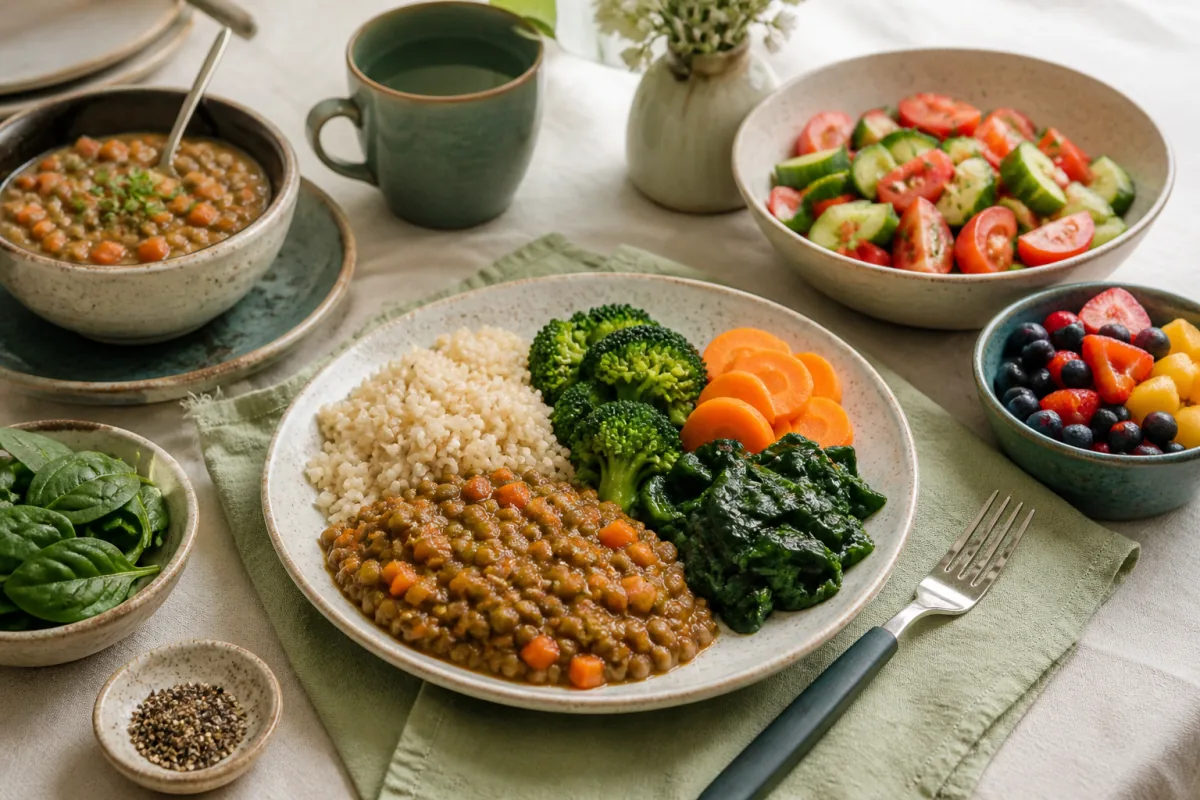
Proof that food can reverse disease
Dr. Dean Ornish spent the late 1970s and 80s testing a radical question: could heart disease, long thought one-way, actually be reversed by lifestyle alone? His 1990 Lifestyle Heart Trial answered yes — patients showed measurable regression of artery narrowing without surgery or drugs.
The diet is the centrepiece: under 10% of calories from fat, plant-based whole foods, almost no added oil. But it's deliberately one of four pillars — alongside exercise, stress management and social support. The results came from the whole program, not the food in isolation.
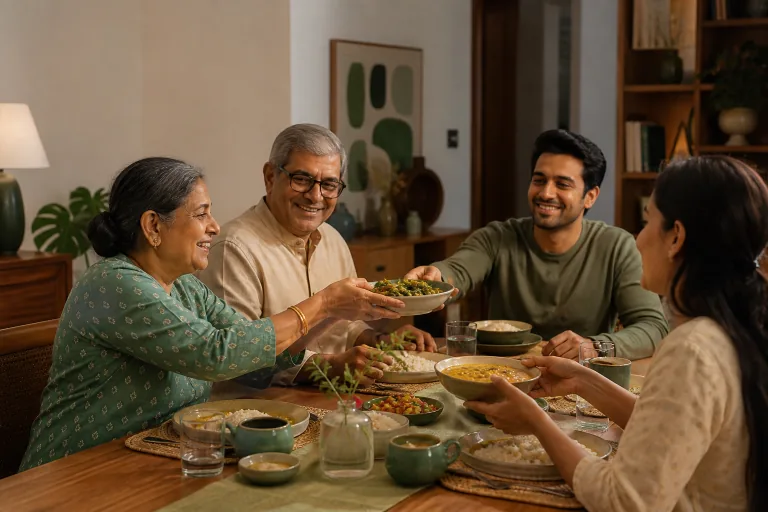
The honest framing: this is strong medicine for serious heart disease, demanding and not necessary for general prevention (gentler diets do plenty). In a desi kitchen, the very-low-fat target means genuinely rethinking oil and ghee — which is exactly where we come in.
"Ornish is one of the only diets with trial evidence of reversing heart disease — but it's intense, and it's a whole-life program. We make the very-low-fat plate livable, and we do it alongside your cardiologist."Strong medicine, honestly framed
What the research shows
Among the strongest in the atlas — with important context.
Reversing artery narrowing
Ornish's randomised trial showed measurable regression of coronary artery narrowing — one of the few diets with trial evidence of reversing, not just slowing, heart disease.
It's four pillars, not one
The diet works with exercise, stress management and social support. The trial tested the whole program — so the food alone isn't the entire story.
Covered cardiac rehab
In the US it's an approved, insurance-covered intensive cardiac rehabilitation program — a level of clinical legitimacy almost no popular diet has.
Very low fat is hard
Under-10%-fat eating is tough to sustain and unnecessary for most people. Being plant-based, it also needs a B12 source and enough calories and omega-3.
Three things Ornish does
Drops LDL sharply
Very low fat and no animal products cut LDL cholesterol dramatically — the central driver of artery disease.
Treats the whole person
Exercise, stress care and connection work alongside the food, addressing the many roots of heart disease at once.
Improves the vessels
A whole-food, oil-free, plant-based plate supports the lining of the arteries themselves, helping blood flow recover.
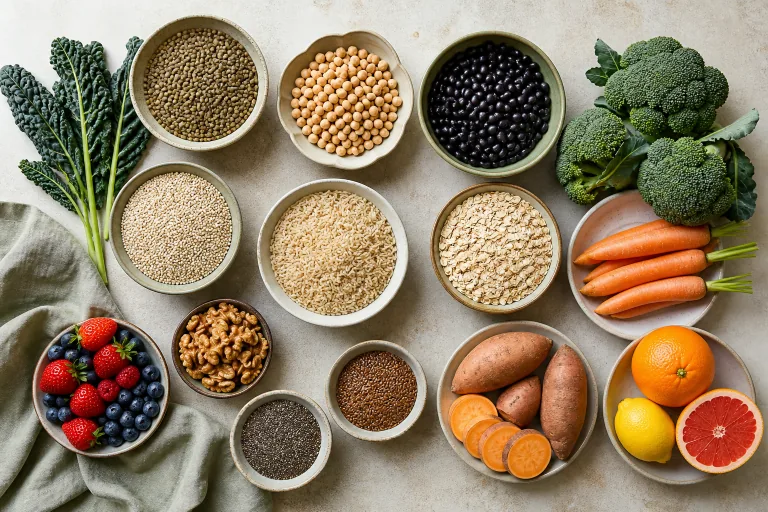
The Ornish plate
Plant-based whole foods, generous in volume, almost no added fat.
An Ornish day, desi-style
Familiar dishes, cooked with almost no oil.
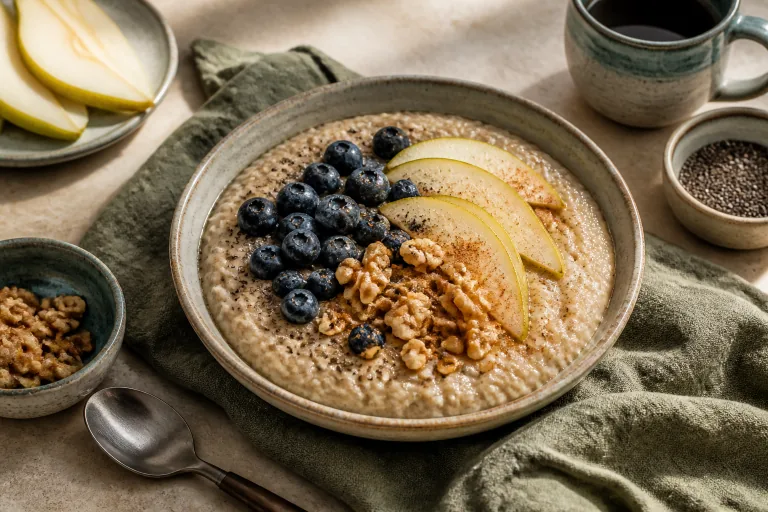
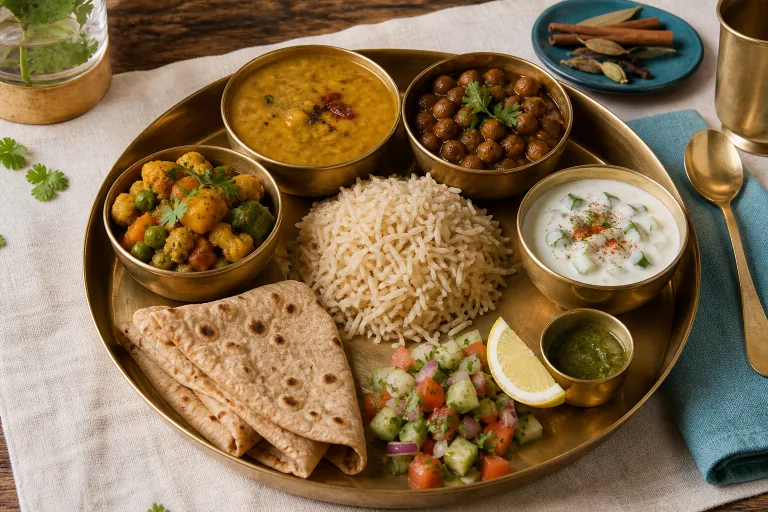
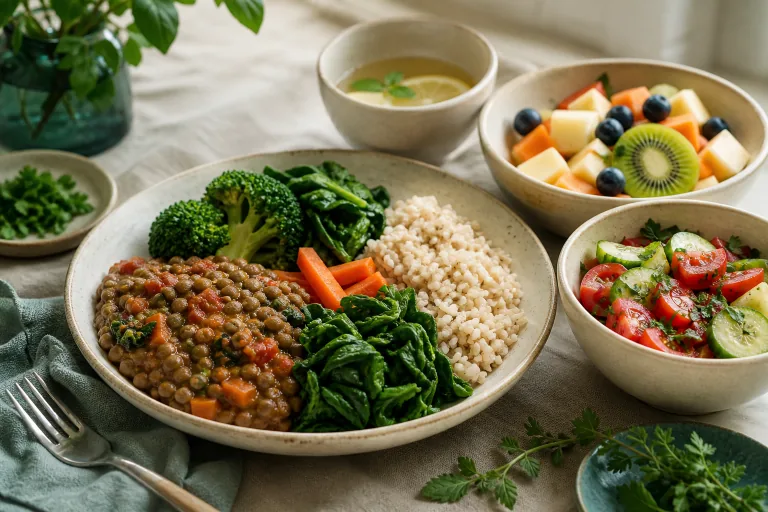
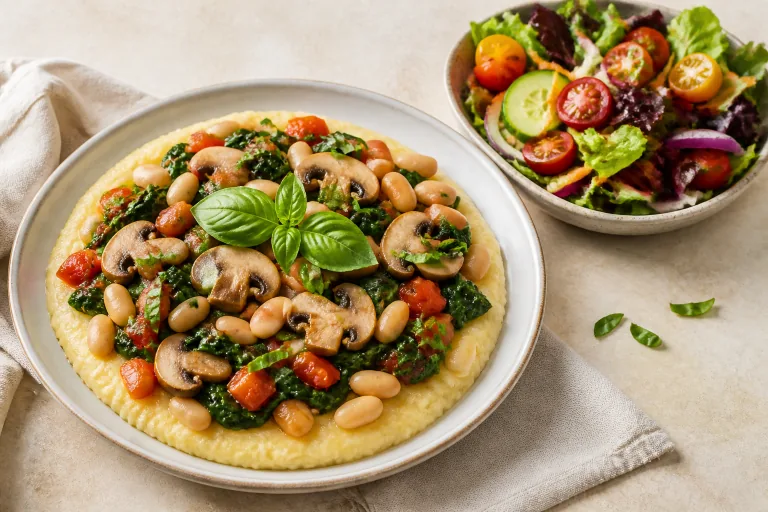
Four oil-free, plant-based recipes
Heart medicine that still tastes like home. Maryam secures B12, protein and calories.
Who this is for
A fit if you…
- Have established heart disease and want the most diet-driven approach (with your cardiologist)
- Are highly motivated and ready for a whole-lifestyle change
- Will embrace the exercise, stress-care and support pillars too
- Want the diet with actual reversal evidence behind it
Not necessary if you…
- Just want general prevention — gentler heart diets do plenty without the intensity
- Can't sustain under-10%-fat eating (most people can't long-term)
- Are underweight or very active (very low fat makes calories hard)
- Won't take a B12 source — non-negotiable on a plant-based plan
The diet is the start. You are the rest.
Ornish is powerful and intense. We make the food livable and keep you safe.
We make oil-free desi work
Dry-roasted tadka, water-sautéing and the oven let dal, sabzi and khichdi keep their flavour with almost no fat — the hardest part, made doable.
We secure B12 & calories
Plant-based and very-low-fat means B12 from day one, plus enough calories, protein and omega-3 — especially if you're active or slim.
We work with your cardiologist
This is medical-grade. We run the nutrition alongside your heart team and the program's other pillars — never as a replacement for treatment.
The honest answers
In the Lifestyle Heart Trial, the program produced measurable regression of artery narrowing — genuinely remarkable. But it was the whole program (diet, exercise, stress care, support) in motivated patients, and it belongs alongside your cardiologist's care, not instead of it.
The diet is essentially plant-based and under 10% fat — so yes, very-low-fat near-vegan. But Ornish is more than the diet: the exercise, stress management and social-support pillars are integral to the results.
They're not optional extras — they're part of why it works. If you only change the food, you're doing a fraction of the program. We help you build in the movement and stress-care pieces too.
It's safe with planning, but hard to sustain, and not necessary for most people. We make sure you get essential fats (a little omega-3), enough calories, protein and B12 — and we're honest that a gentler heart diet may suit you better long-term.
Yes — it's plant-based, and plants don't make B12. A reliable supplement is essential, exactly as on a vegan diet. We set this up from the start.
No. Ornish works with medical care, never as a replacement. Don't stop any prescribed medication — we coordinate the diet with your cardiologist so everything moves in the same direction safely.
Where this comes from
- RCTReversal. Ornish et al., Lifestyle Heart Trial, Lancet (1990) and five-year follow-up — regression of coronary atherosclerosis. Ornish 1990 (Lancet) ↗
- ProgramFour pillars. The Ornish lifestyle program: diet, exercise, stress management and social support. Ornish 1990 (Lancet) ↗
- RecognitionCardiac rehab. Recognised as a Medicare-covered intensive cardiac rehabilitation program in the US.
- NoteAdequacy. Plant-based, very-low-fat eating requires attention to B12, omega-3, protein and calories. AND Vegetarian 2016 ↗
Compiled by Nidari Nutrition, June 2026. Pending formal clinical review by Maryam Shabbir, DN. Educational reference — not a substitute for individual medical advice. For heart disease, work with your cardiologist.
Facing serious heart disease?
Fifteen minutes with a dietitian. We'll make the very-low-fat, plant-based plate livable in a desi kitchen, secure your B12 and calories, and run it alongside your cardiologist and the program's other pillars.