The WeightWatchers Diet
One of the oldest and most-studied weight programs — a points budget plus community support, with nothing banned. Its real engine is behaviour change: tracking, accountability and support. We love that core; we just build it around your foods, not generic point-friendly swaps.
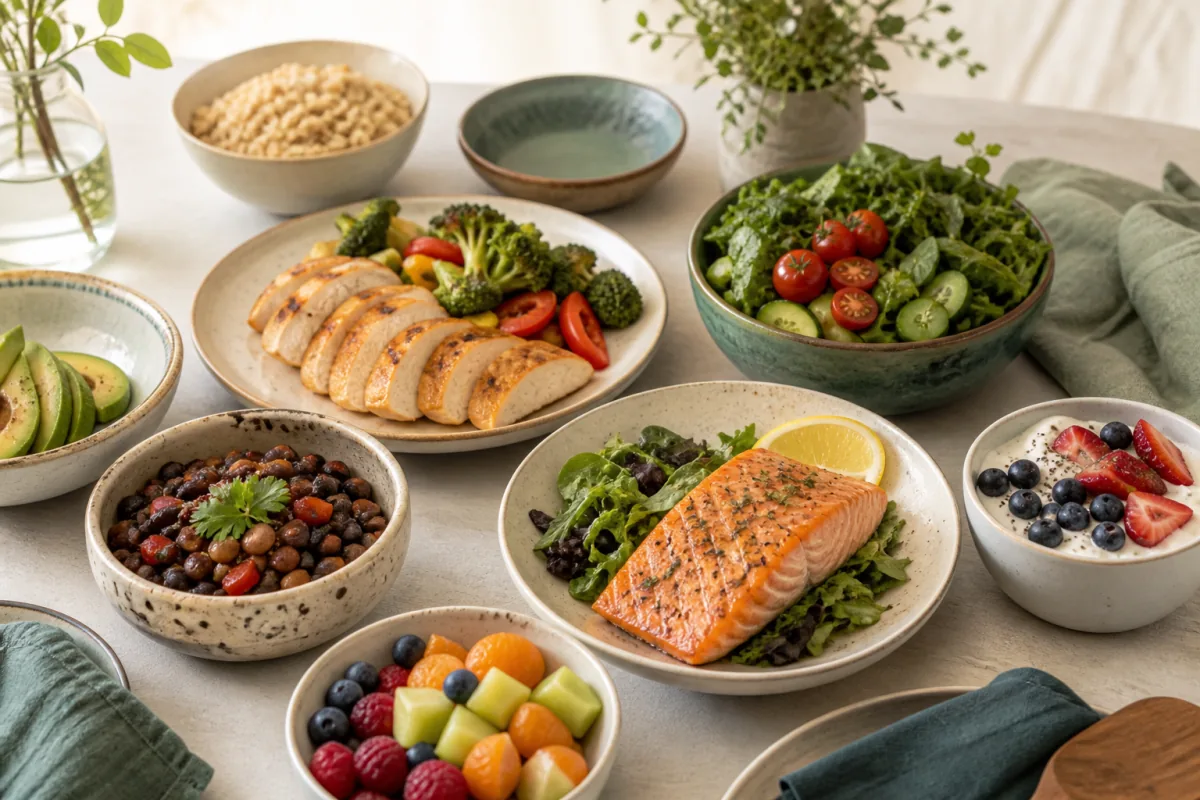
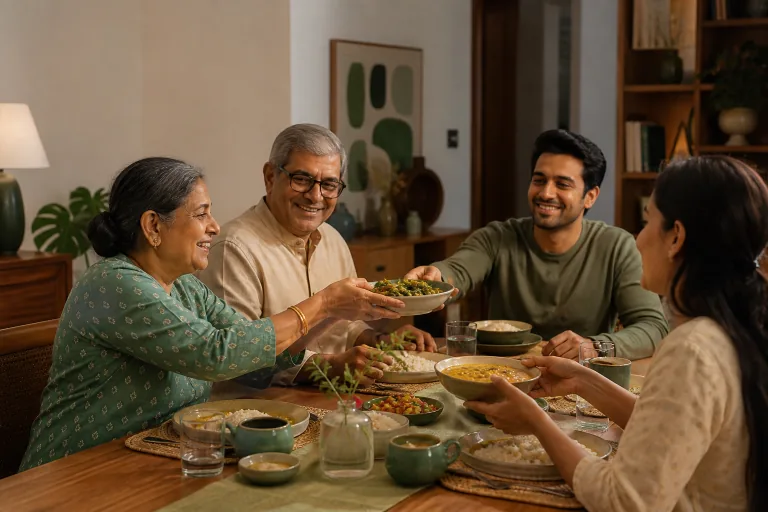
It started as a support group
Jean Nidetch began WeightWatchers in 1963 as a weekly gathering of friends in her Queens living room, sharing the struggle of losing weight together. That insight — that accountability and support matter as much as the food — built it into one of the world's largest weight programs.
The mechanics: every food gets a points value, you get a daily budget, and nothing is forbidden. You track what you eat and lean on an app or group for support. Vegetables and lean proteins are typically "zero points," nudging you toward them naturally.
The honest read: WeightWatchers is among the most-studied commercial programs, with real (if modest) trial evidence — and the research points to the behavioural core, the tracking and support, doing the heavy lifting. We keep that and drop the dependence on a subscription and on generic "point-friendly" packaged foods.
"The genius of WeightWatchers was never the points — it was the weekly weigh-in and the people in the room. We give you that accountability, built around dal and sabzi, not diet snacks."Accountability is the engine
What the research shows
Well-studied, modestly effective, and clearest about why it works.
Real, modest weight loss
Randomised trials show WeightWatchers produces more weight loss than going it alone, and it holds up well in head-to-head comparisons of commercial programs.
Behaviour change is the engine
The active ingredient is self-monitoring and accountability — tracking food and regular check-ins are among the best-evidenced behaviours in all of weight management.
Nothing is banned
Because no food is forbidden, it's easier to stick with than restrictive diets — and the "zero-point" design quietly steers you toward vegetables and lean protein.
Cost & quality
Results are modest and fade if you stop the habits, it usually requires an ongoing subscription, and points can be "spent" on junk — food quality still matters.
Three things WeightWatchers does
Builds awareness
Tracking food makes the invisible visible — most people underestimate intake, and writing it down is half the battle.
Adds accountability
A weekly check-in or a coach in your corner is one of the strongest predictors of sticking with any change.
Removes deprivation
Nothing is banned, so there's no "I broke the diet" spiral — you just budget and carry on.
What the points steer you toward
The budget naturally favours protein and vegetables — exactly where we'd point you anyway.
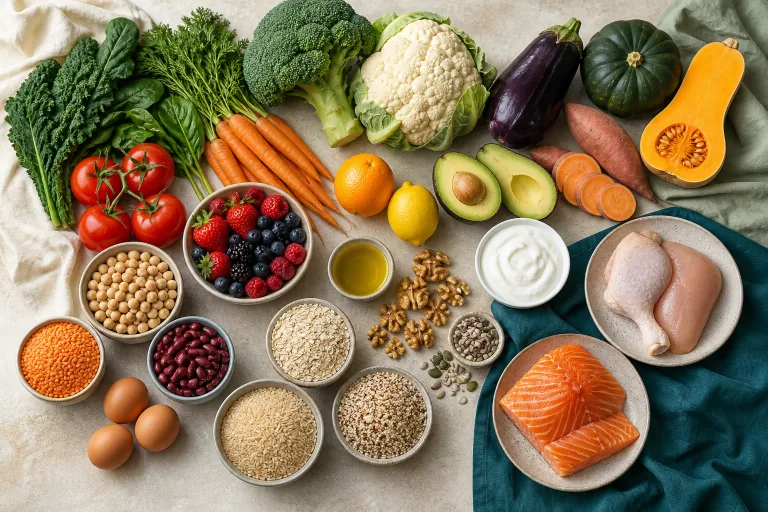
A WeightWatchers day, desi-style
Budget-friendly plates that lean on the zero-point foods you already cook.
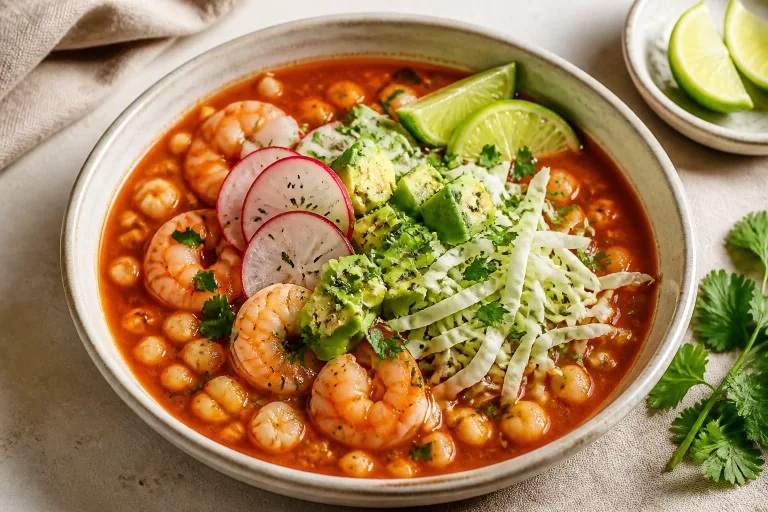
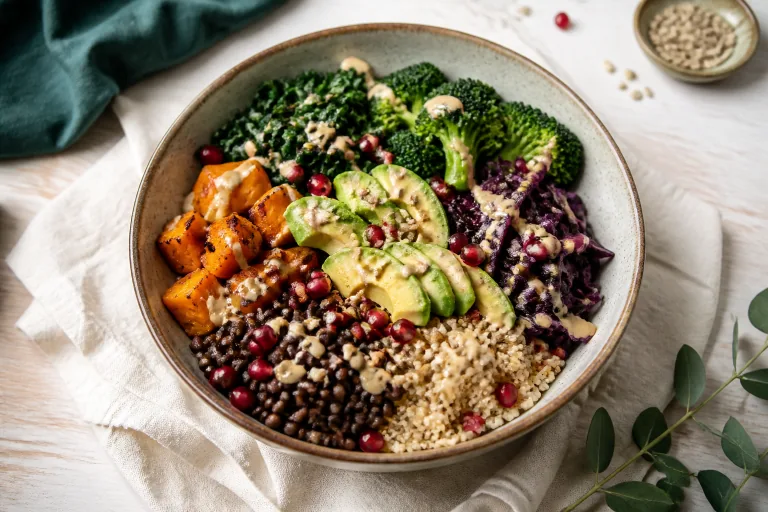
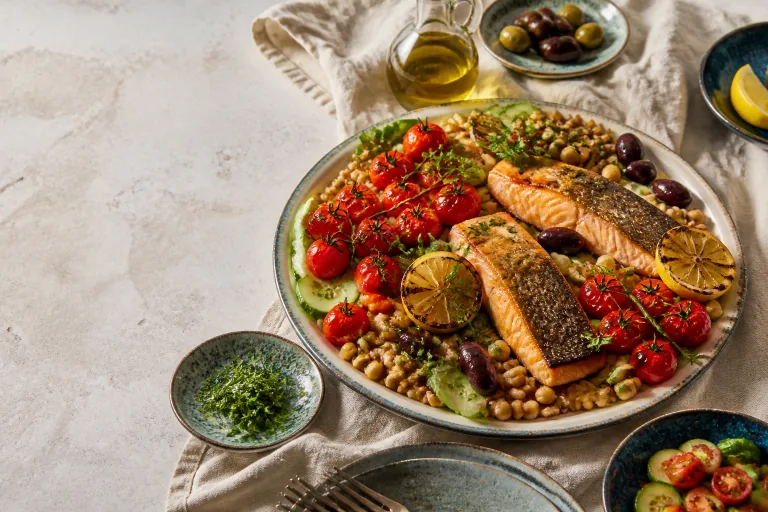
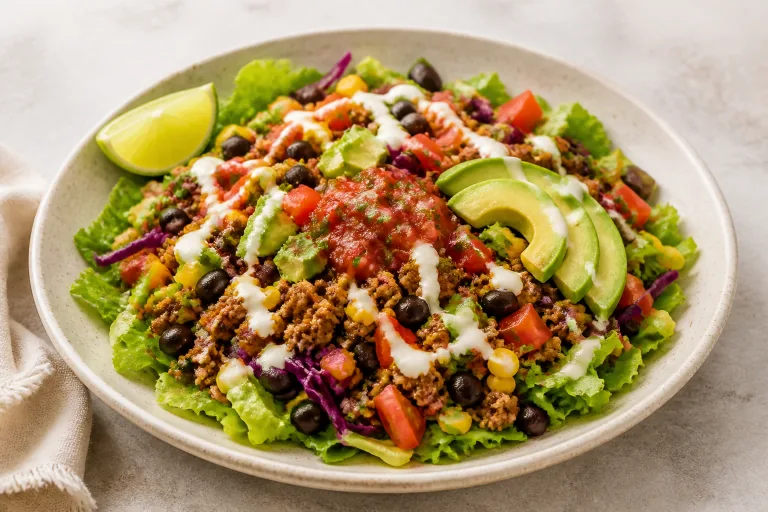
Four budget-smart desi recipes
Lighter versions of the food you love. Maryam adds the accountability that makes it stick.
Who this is for
A fit if you…
- Are motivated by tracking, structure and accountability
- Want flexibility — no food off-limits
- Like the idea of community or coaching support
- Have struggled with all-or-nothing diets that you "fell off"
Mind these if you…
- Don't want an ongoing subscription cost
- Find daily tracking stressful or obsessive
- Might "spend" points on junk and skip the food-quality piece
- Want a therapeutic diet for a condition — start from a condition page
The diet is the start. You are the rest.
We borrow what works — accountability — and build it around your kitchen.
We are the accountability
The evidenced engine is support and check-ins. That's exactly what coaching gives you — without an app subscription or a room full of strangers.
We build on your foods
Not generic "point-friendly" packaged snacks — dal, sabzi, yogurt, fruit and lean protein, the zero- and low-point foods already in your kitchen.
We keep quality in view
Points can be spent on junk. We make sure the budget goes to nourishing food, so the weight loss comes with better health, not just smaller numbers.
The honest answers
Every food is assigned a points value based on its calories and nutrition, and you get a daily budget. Many vegetables, fruits and lean proteins are "zero points," so they don't count — which nudges you toward them. You track what you eat and stay within budget.
No — and that's a real strength. Biryani, mithai, anything fits if you budget for it. That flexibility is a big reason people stick with it instead of "failing" and giving up.
Yes, modestly — it's one of the few commercial programs with good trial evidence, and it beats going it alone. The weight loss is moderate, and it lasts as long as you keep up the habits of tracking and support.
The official program does. But the part that actually works — self-monitoring and accountability — you can get through coaching, which is what we provide. You don't have to pay a subscription forever to benefit from the idea.
Absolutely — desi cooking is full of zero- and low-point foods (dal, vegetables, fruit, lean meats, yogurt). We just portion the rice, roti and oil and let the rest of the plate run free.
That's the honest weak spot of any program: stop the habits and weight tends to return. That's why we focus on building the behaviours into your life permanently, so they outlast any app or subscription.
Where this comes from
- HistoryOrigins. Jean Nidetch and the founding of WeightWatchers (1963), Queens, New York.
- RCTEffectiveness. Jebb et al., commercial-programme weight-loss trial (Lancet, 2011); JAMA comparisons of commercial diets. Jebb 2011 (Lancet) ↗
- BehaviourSelf-monitoring. Research establishing food tracking and accountability as strong predictors of weight-loss success. Burke 2011 (JADA) ↗
- NoteLimits. Modest average results, common regain after stopping, and ongoing programme cost. Hartmann-Boyce 2022 ↗
Compiled by Nidari Nutrition, June 2026. Pending formal clinical review by Maryam Shabbir, DN. Educational reference — not a substitute for individual medical advice.
Want the accountability, minus the app?
Fifteen minutes with a dietitian. We'll give you the tracking and support that actually drive results — built around dal, sabzi and the desi food you love, not generic diet snacks.